4-Day Kisumu to Masai Mara Safari

From $1,000 • Lodge option from $1,400 • 4 Days / 3 Nights

4 Days / 3 Nights
Kisumu, Masai Mara National Reserve
From $1,000
Mid-range lodge
4x4 Safari Vehicle
2-6 Travelers
All meals included

Starting price

From $1,000

Lodge option

From $1,400

Route Highlights

  • Kericho tea highlands
  • First Mara game drive
  • Big Five search begins
  • Predator tracking
  • Mara River

Why Choose This Safari?

Travel through Kisumu, Masai Mara National Reserve on this 4 Days / 3 Nights safari. The trip starts in western Kenya, which is useful for travelers already in Kisumu who want to avoid routing back through Nairobi. Highlights include Kericho tea highlands, First Mara game drive and Big Five search begins. Use the full day-by-day plan to compare game-drive time, transfers, accommodation, meals, included fees and optional activities—not only the headline price. Prices start from $1,000, with a lodge option shown from $1,400. Confirm final availability and any time-sensitive fees for your travel dates.

Safari at a Glance

Duration
4 Days / 3 Nights
Destinations
Kisumu, Masai Mara National Reserve
Starting price
$1,000
Lodge option
$1,400
Accommodation
Mid-range lodge
Group size
2-6 Travelers
Difficulty
Easy
Transport
4x4 Safari Vehicle
Meals
All meals included

Day-by-Day Itinerary

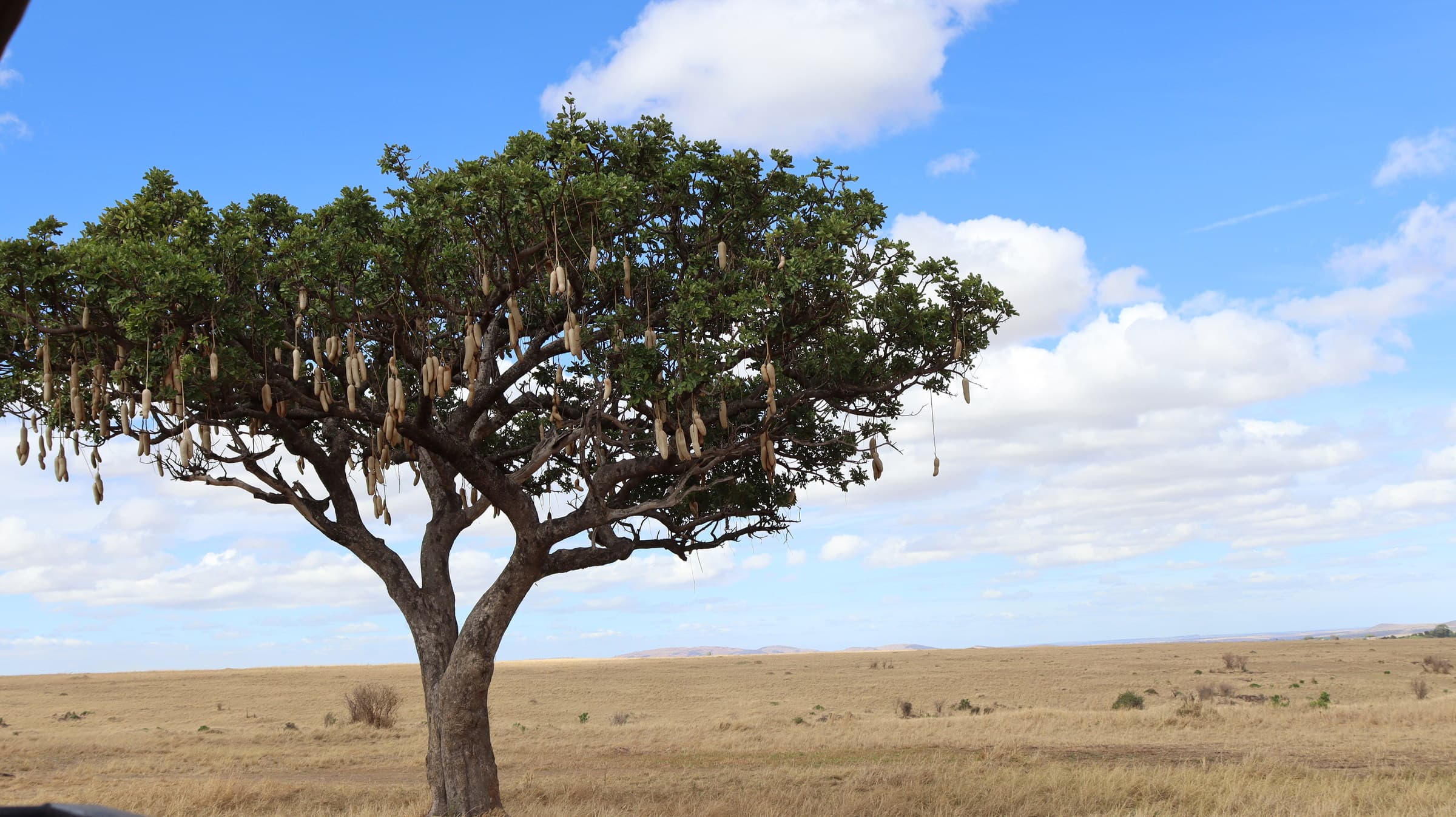
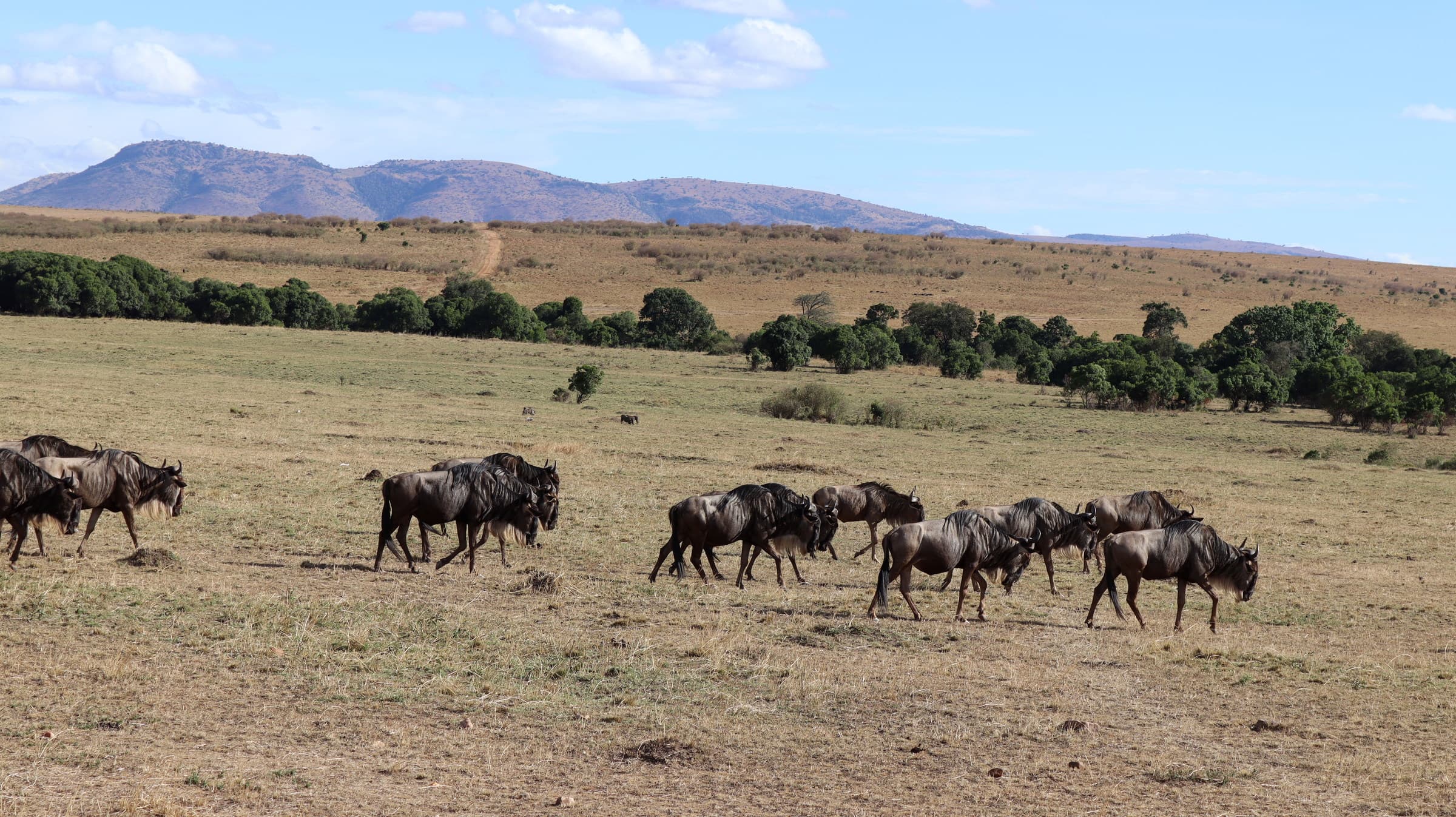
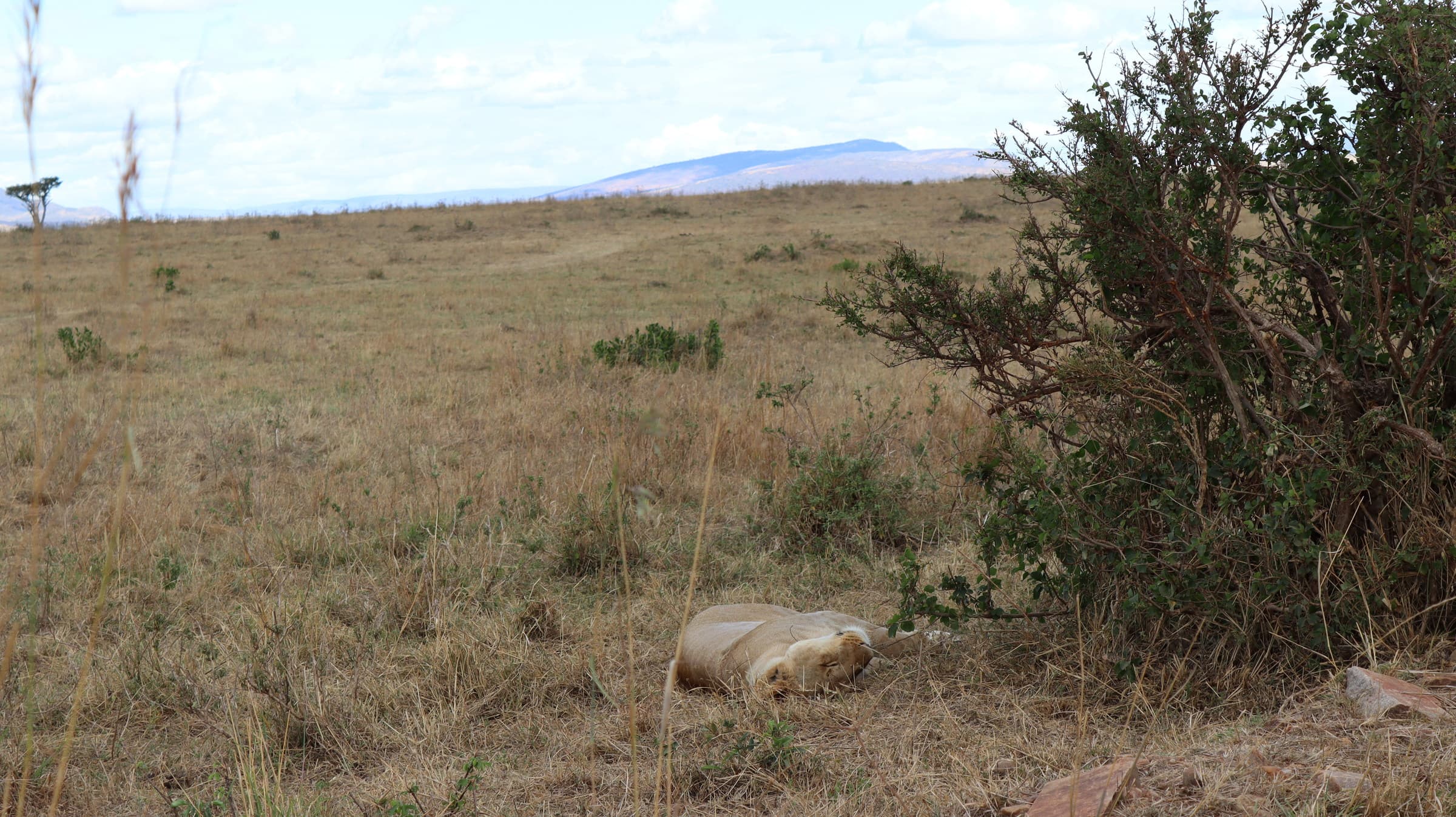
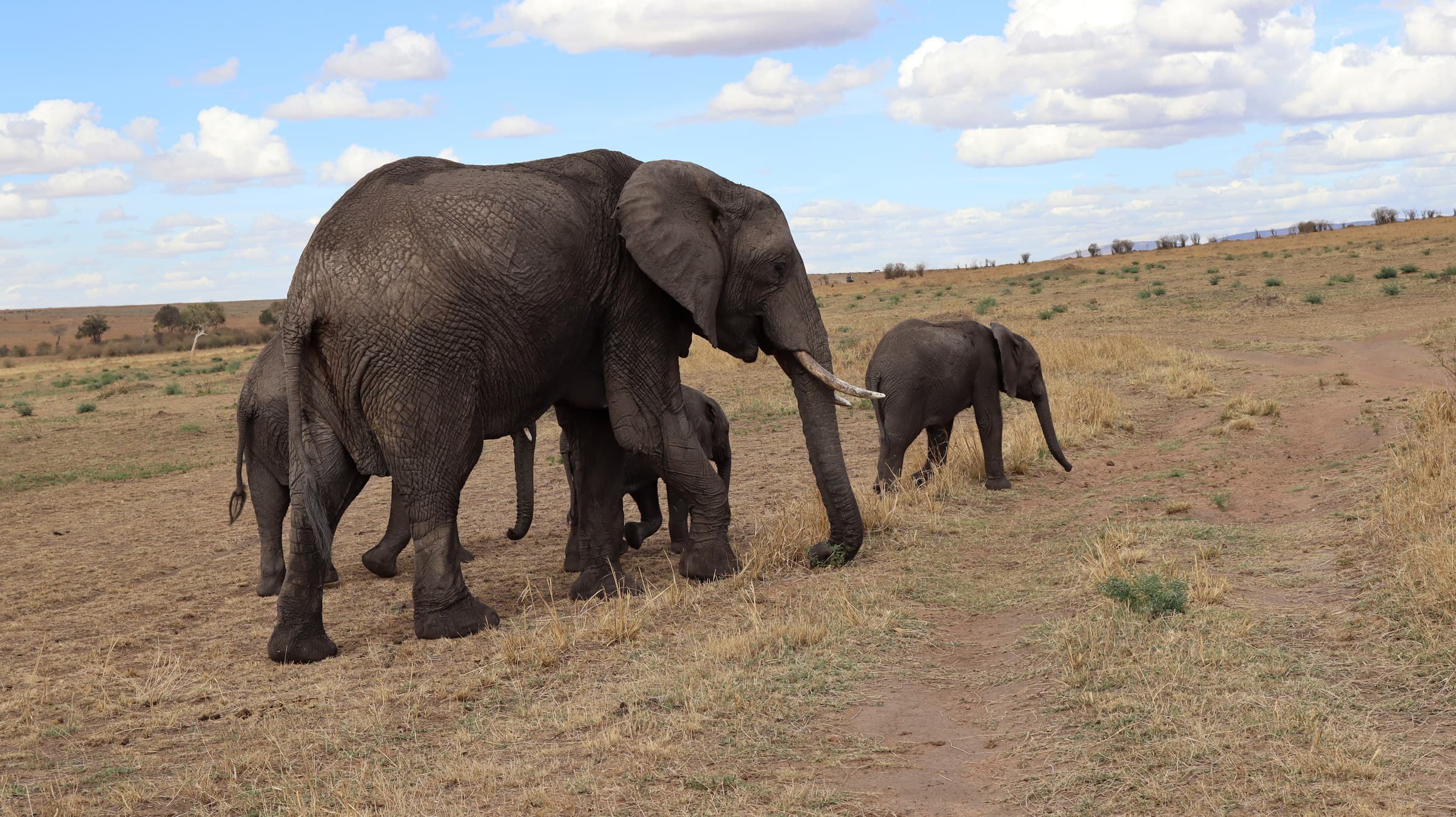
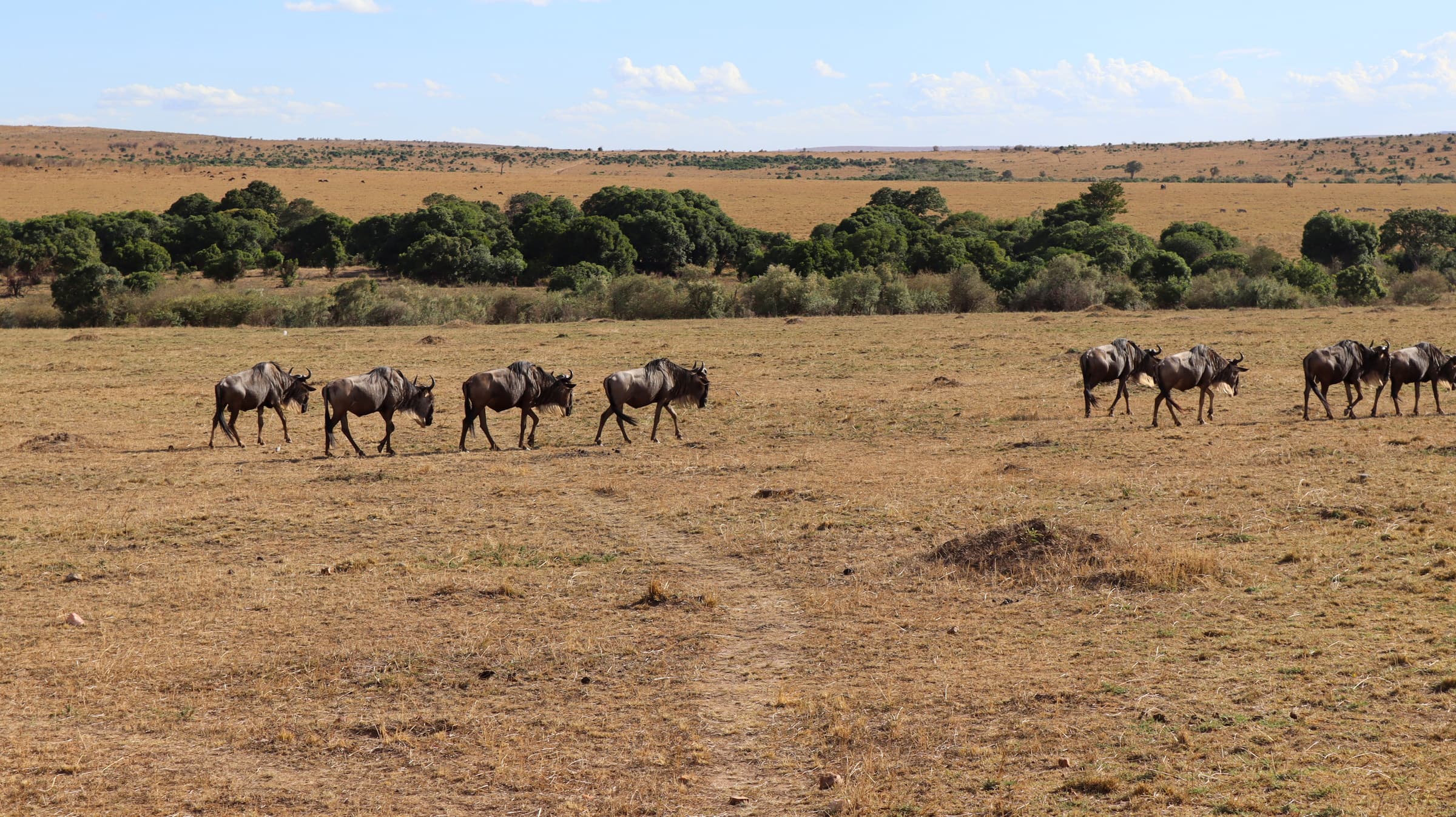
Expect the day to center on Kericho tea highlands and First Mara game drive. Set out from Kisumu in the early morning and drive south through the scenic tea-growing highlands of Kericho — endless rolling hills carpeted in bright green tea bushes — and continue through Bomet town. Enter the Masai Mara via the Sekenani Gate arriving by lunchtime. Settle into your lodge and enjoy a welcome lunch. After settling in, set off for your first afternoon game drive on the legendary Mara plains. The Big Five search begins immediately as lions rest under acacia trees, elephants move in family herds, and vast herds of wildebeest and zebra stretch across the golden grasslands as far as the eye can see.

  • Kericho tea highlands
  • First Mara game drive
  • Big Five search begins

Day 2 is built around Predator tracking and Mara River. Spend the day focused on morning and afternoon game drives exploring different sectors of the Masai Mara. The sunrise game drive departs at 6:30 AM when predators are most active — track lions on the hunt, cheetahs scanning for prey from termite mounds, and the elusive leopard draped in riverside trees. Stop at the Mara River for hippos, massive Nile crocodiles, and during migration season the dramatic wildebeest crossings. Bush picnic lunch surrounded by grazing wildlife. Afternoon drive through the Mara Triangle or Paradise Plains with your guide using expert knowledge to locate the most spectacular sightings. Optional Maasai village cultural visit ($25).

  • Predator tracking
  • Mara River
  • Bush picnic lunch
  • Optional Maasai village

The focus today is Big cat focus and Sundowner cocktails. Discover different sectors of the reserve for new wildlife encounters. Morning drive focusing on big cats — the Mara supports one of Africa's healthiest lion populations with over 850 individuals. Keep watch for cheetah families with cubs and leopards in their favored fig trees. Afternoon drive targeting elephants, buffalo herds, and the incredible diversity of antelope species from tiny dik-dik to massive eland. Watch a spectacular African sunset with sundowner cocktails as the sky turns orange and purple over the endless plains. Bush dinner under the stars.

  • Big cat focus
  • Sundowner cocktails
  • Bush dinner under stars

Today's route brings together Final dawn game drive and Scenic return to Kisumu. Final early morning game drive for last memorable wildlife encounters. The dawn light creates memorable photography conditions as the Mara's animals are silhouetted against the golden sky. Following breakfast, pack up and drive back to Kisumu arriving by late afternoon. Safari ends with incredible memories of Africa's greatest wildlife spectacle.

  • Final dawn game drive
  • Scenic return to Kisumu

What’s Included

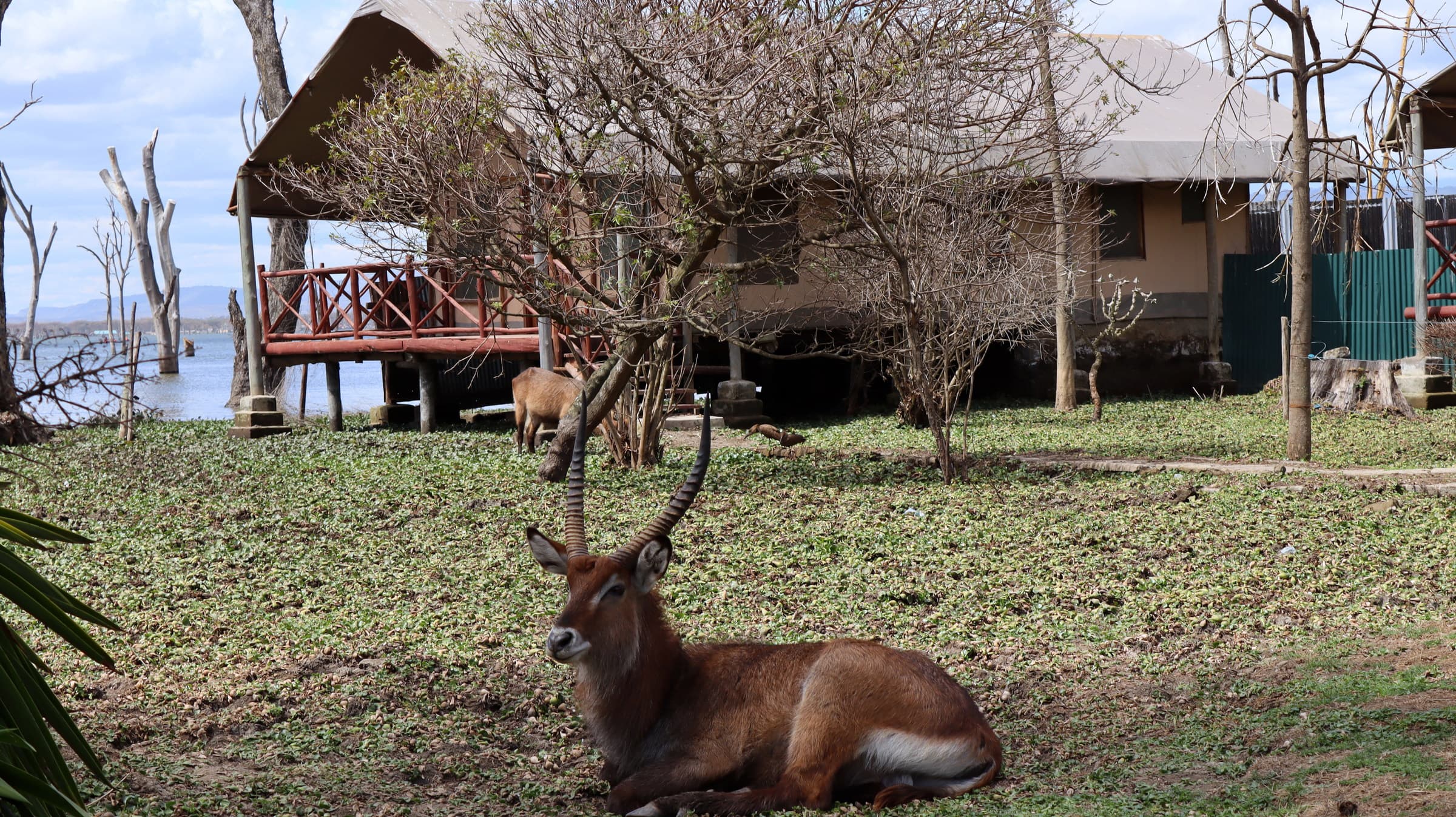
Accommodation type depends on your selected camp or lodge option.

  • All game drives in 4x4 vehicle
  • Professional guide
  • All park fees
  • 3 nights lodge
  • All meals
  • Drinking water
  • Kisumu pick-up and drop-off

Not Included

  • Flights
  • Insurance
  • Tips
  • Balloon safari ($450)
  • Maasai village ($25)
  • Drinks

Practical Planning Notes

Starting prices, accommodation and time-sensitive fees must be reconfirmed for your dates. Wildlife, migration conditions, weather and mountain summits cannot be guaranteed.

Who This Safari Suits

This itinerary is best suited to travelers who want a clear, wildlife-focused itinerary with the route and daily plan explained before they book.

Plan 4-Day Kisumu to Masai Mara Safari

Share your travel dates and group size. We’ll use this exact itinerary as the starting point for your enquiry.

Accommodation status

What this approved itinerary currently says

Mid-range lodge

What to confirm before booking

If the itinerary does not name a property, the exact lodge or camp remains to be confirmed in the dated quotation. Ask for the property, room, meals, location, substitution terms and any child or accessibility rules.

Destination guides for this route

Wildebeest herd in open plains

kenya

Masai Mara National Reserve

The Masai Mara is a savannah reserve in south-west Kenya, connected ecologically to Tanzania's Serengeti. Travellers choose it for year-round game viewing, big-cat habitat and seasonal movement of wildebeest and zebra, but no particular sighting or river crossing can be guaranteed.

Read Masai Mara National Reserve

Wildlife you may encounter

African lion resting in open grass

Opportunity, not a guarantee

African lion

The African lion is a social large cat of savannah, shrubland and woodland. East African parks can offer opportunities to observe prides or solitary animals, but activity, cover and territory make every sighting uncertain.

Read African lion
African savanna elephant family walking in grassland

Opportunity, not a guarantee

African savanna elephant

The African savanna elephant is a wide-ranging, highly social herbivore of open and wooded habitats. Family groups and bulls move across park boundaries and wildlife corridors, so their space and right of way are central to responsible viewing.

Read African savanna elephant
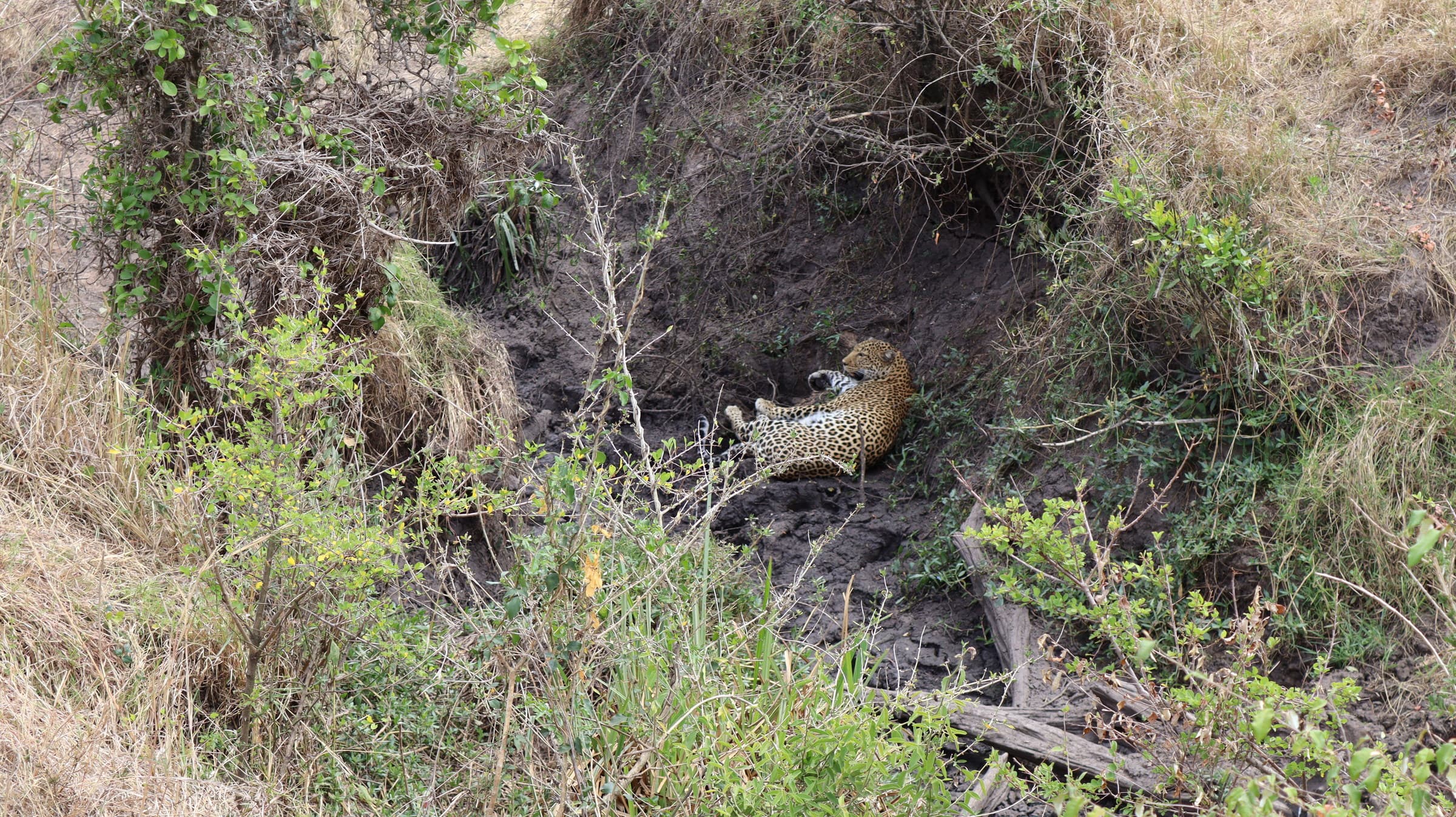
African leopard in natural habitat

Opportunity, not a guarantee

African leopard

The African leopard is a solitary, adaptable spotted cat that uses savannah, woodland, rocky country and forest. It can live near busy safari routes yet remain difficult to find because camouflage and cover are central to its behaviour.

Read African leopard
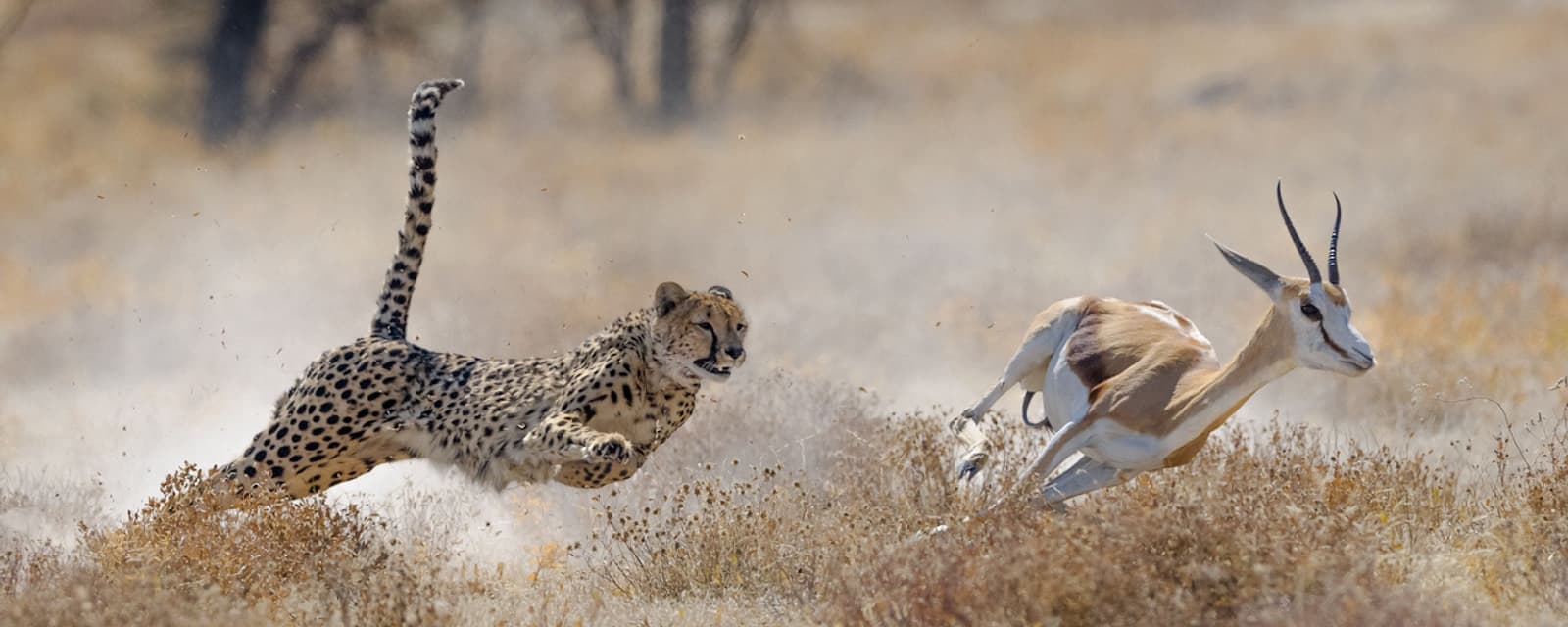
Cheetah in Masai Mara grassland

Opportunity, not a guarantee

Cheetah

The cheetah is a slender, speed-adapted cat associated with open grassland, savannah and shrubland. It is often active by day, but a safari cannot promise a chase or even a sighting.

Read Cheetah
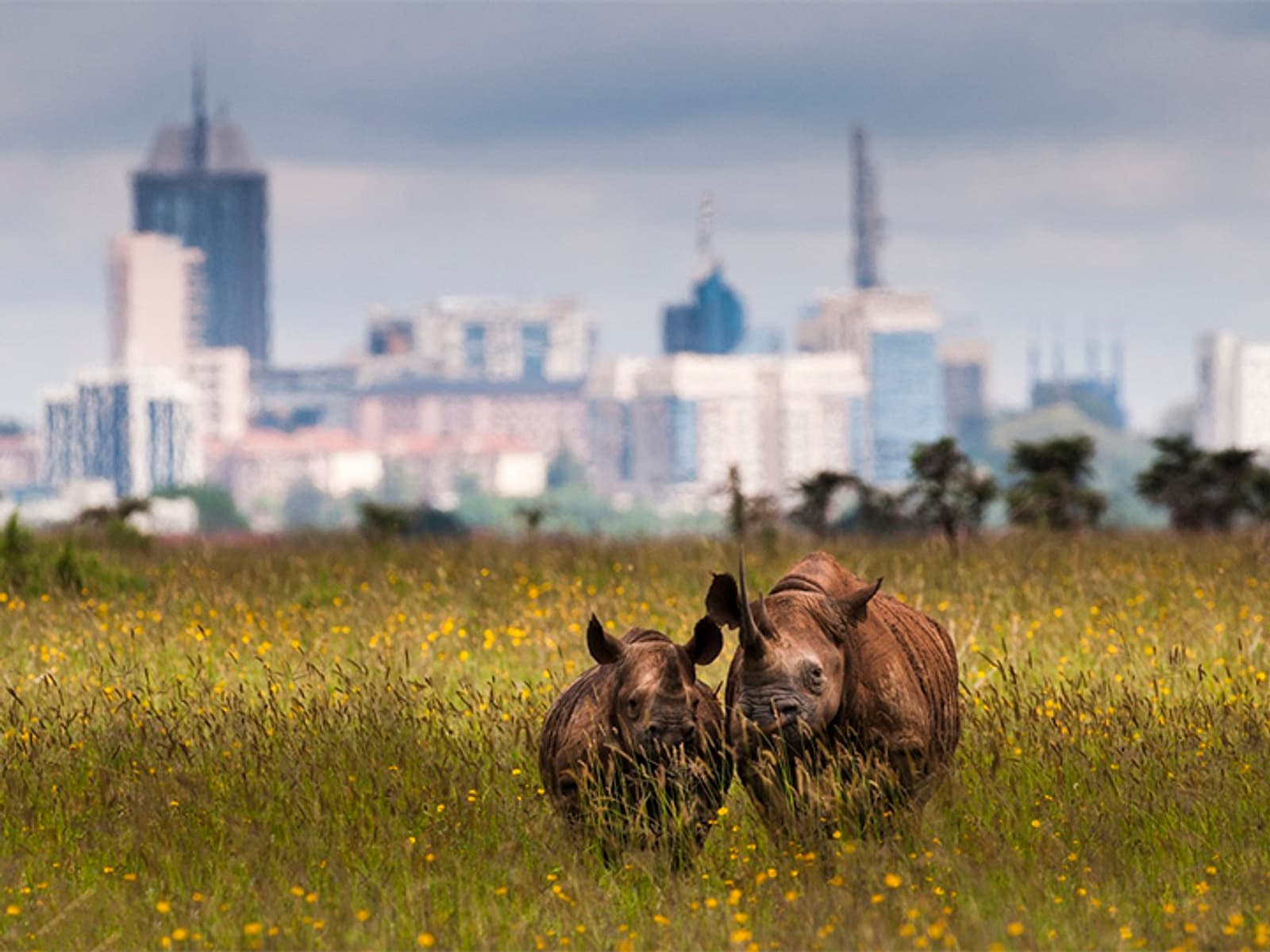
Black rhinoceros cow and calf in open grassland

Opportunity, not a guarantee

Black rhinoceros

The black rhinoceros is a Critically Endangered browsing rhino with a hooked upper lip. East African populations are closely protected; exact locations should not be exposed and a safari should never promise a sighting.

Read Black rhinoceros
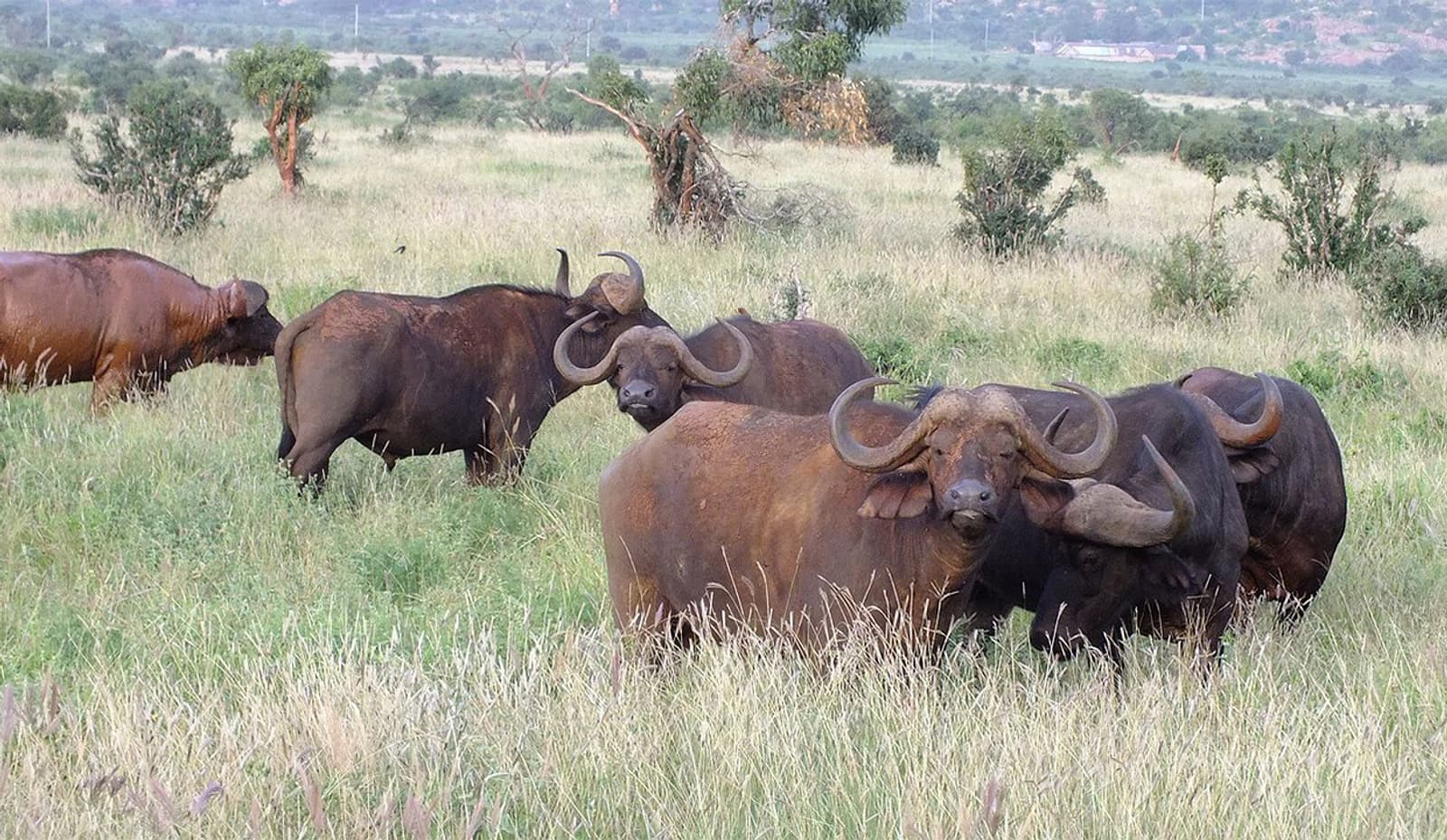
African buffalo in open grassland

Opportunity, not a guarantee

African buffalo

The African buffalo is a water-dependent, herd-forming bovid found in grassland, woodland and some forest systems. It is powerful and unpredictable at close range, so visitors should remain in authorized vehicles or guided areas.

Read African buffalo

Plan this route with context

Wildebeest herd crossing open East African grassland

Travel guide

Kenya vs Tanzania Safari

Choose Kenya when you value a compact range of routes, Nairobi access and combinations such as the Masai Mara with Rift Valley or coast. Choose northern Tanzania when you want a broad Serengeti-Ngorongoro-Tarangire circuit. Choose both only when you have enough nights for border or flight logistics; neither country is a universal winner.

Read Kenya vs Tanzania Safari
Acacia trees in open savannah

Travel guide

Best Time for an East Africa Safari

There is no single best month for all East Africa. Drier periods can concentrate some wildlife and improve road conditions; greener periods can bring birding, dramatic landscapes and lower demand. Migration, rain and gorilla trekking require destination-specific planning, not a fixed continent-wide calendar.

Read Best Time for an East Africa Safari
Permanent safari guest tent

Travel guide

Safari Accommodation Explained

Choose safari accommodation by exact property, location, room and operating details, not by the word lodge, camp or luxury alone. A permanent tented camp can have full en-suite rooms, while a lodge can be simple; category labels are not universal ratings.

Read Safari Accommodation Explained