7-Day Grand Kenya Budget Safari

From $1,400 • Lodge option from $2,450 • 7 Days / 6 Nights

7 Days / 6 Nights
Nairobi, Lake Nakuru, Lake Naivasha
From $1,400
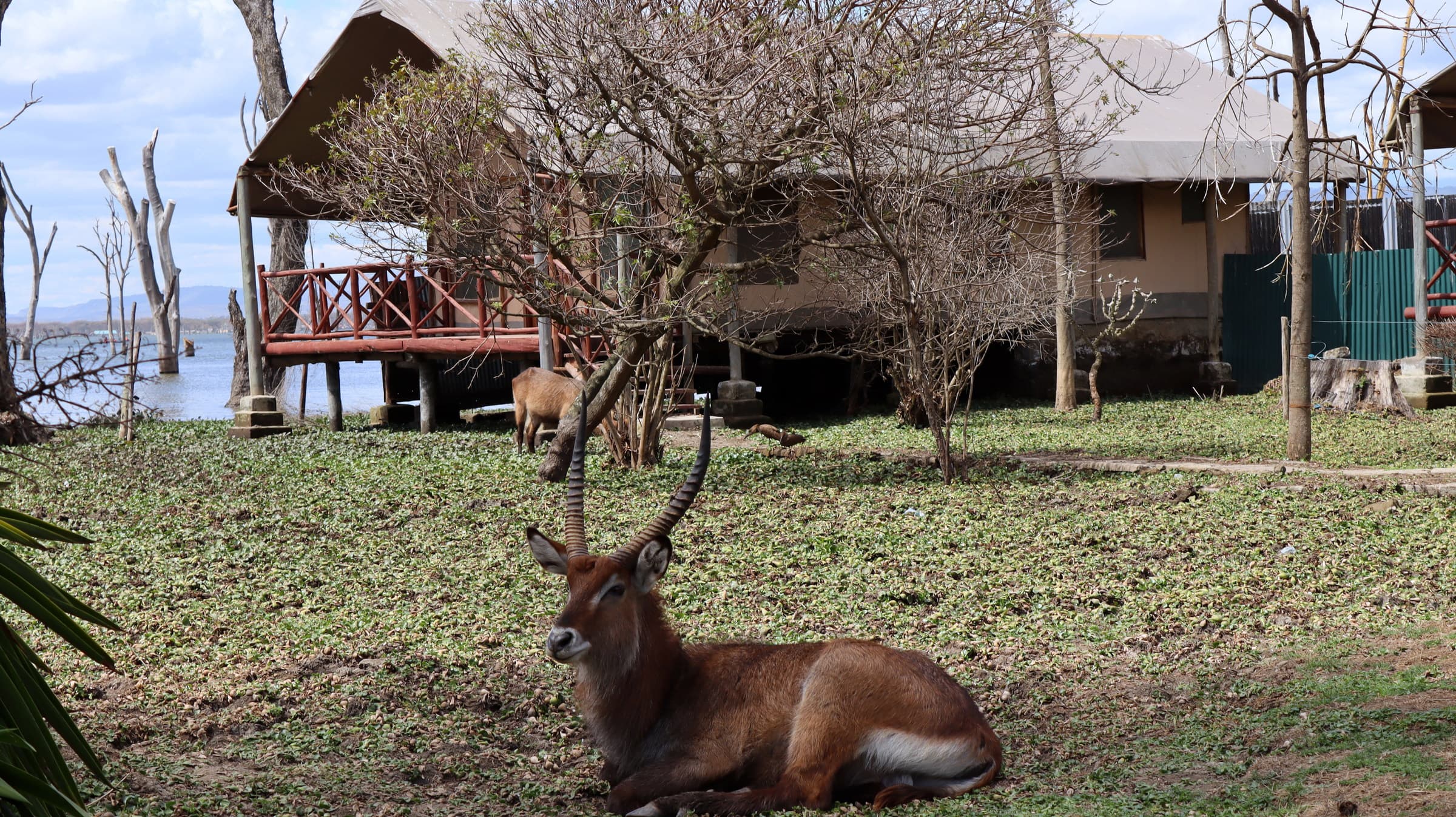
Budget camping tents
4x4 Safari Land Cruiser
2-6 Travelers
All meals included

Starting price

From $1,400

Lodge option

From $2,450

Route Highlights

  • Flamingos
  • Rhino sanctuary
  • Rothschild's giraffe
  • Boat ride with hippos
  • Crescent Island walking safari

Why Choose This Safari?

Travel through Nairobi, Lake Nakuru, Lake Naivasha, Amboseli, Masai Mara on this 7 Days / 6 Nights safari. The route keeps the emphasis on wildlife time and practical accommodation, making it a strong choice for value-conscious travelers. Highlights include Flamingos, Rhino sanctuary and Rothschild's giraffe. Use the full day-by-day plan to compare game-drive time, transfers, accommodation, meals, included fees and optional activities—not only the headline price. Prices start from $1,400, with a lodge option shown from $2,450. Confirm final availability and any time-sensitive fees for your travel dates.

Safari at a Glance

Duration
7 Days / 6 Nights
Destinations
Nairobi, Lake Nakuru, Lake Naivasha, Amboseli, Masai Mara
Starting price
$1,400
Lodge option
$2,450
Accommodation
Budget camping tents
Group size
2-6 Travelers
Difficulty
Easy
Transport
4x4 Safari Land Cruiser
Meals
All meals included

Day-by-Day Itinerary

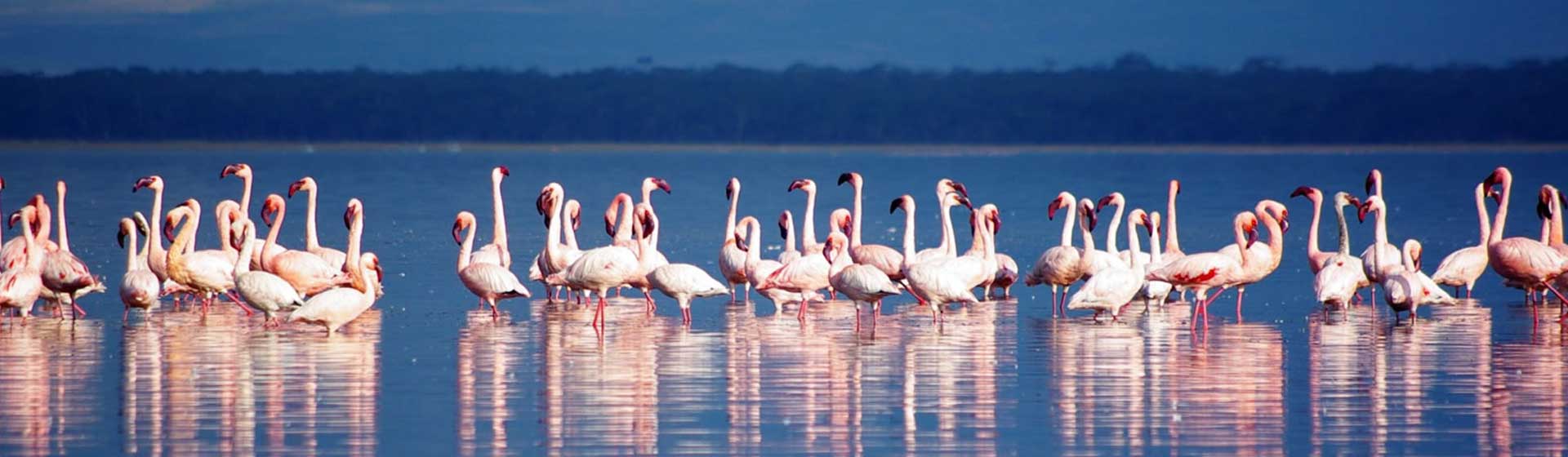
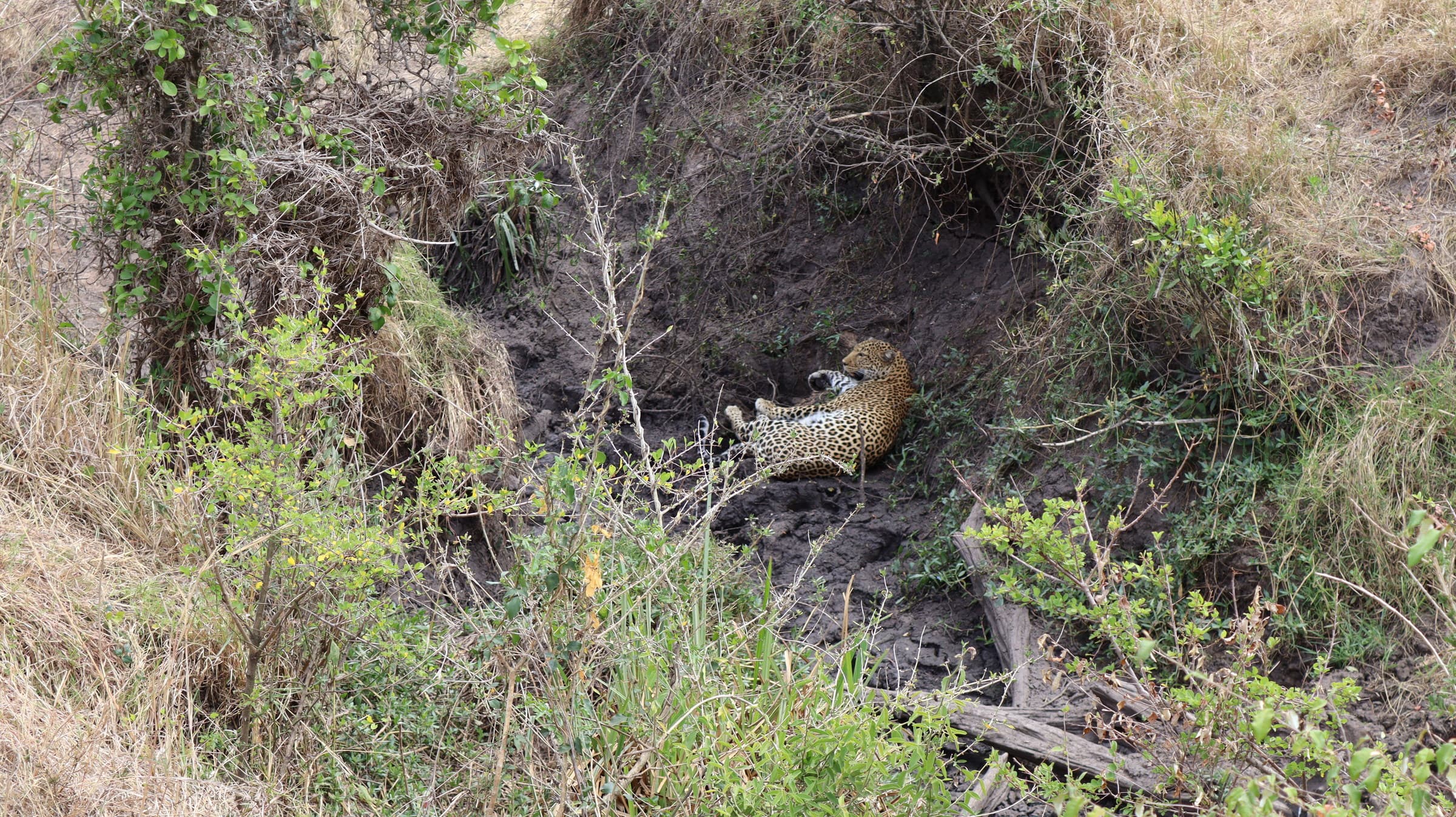
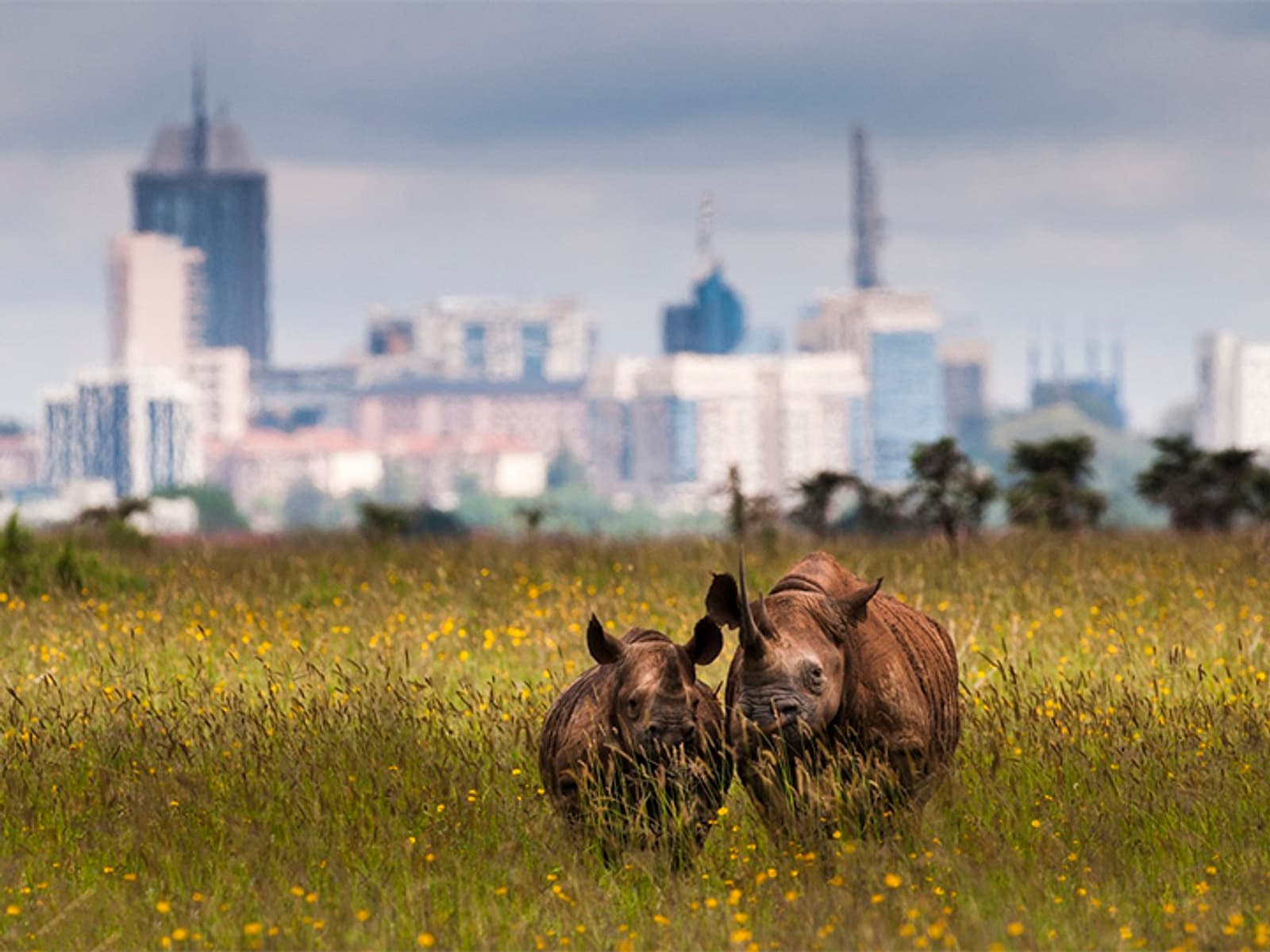
The focus today is Flamingos and Rhino sanctuary. Set out from Nairobi at 7:30 AM and drive north through the lush Kenya Highlands to Lake Nakuru National Park, arriving by lunchtime. This compact but wildlife-rich park is a designated rhino sanctuary and one of the best places in Kenya to see both black and white rhinos up close. After a freshly prepared lunch at your budget camp, embark on an afternoon game drive around the alkaline lake. Watch as thousands of flamingos paint the shoreline pink, while Rothschild's giraffes browse acacia trees nearby. Look for waterbuck, buffalo herds, baboon troops, and if fortunate, the park's resident leopards lounging in yellow-barked fever trees. Head back to camp for dinner as the sun sets over the lake.

  • Flamingos
  • Rhino sanctuary
  • Rothschild's giraffe

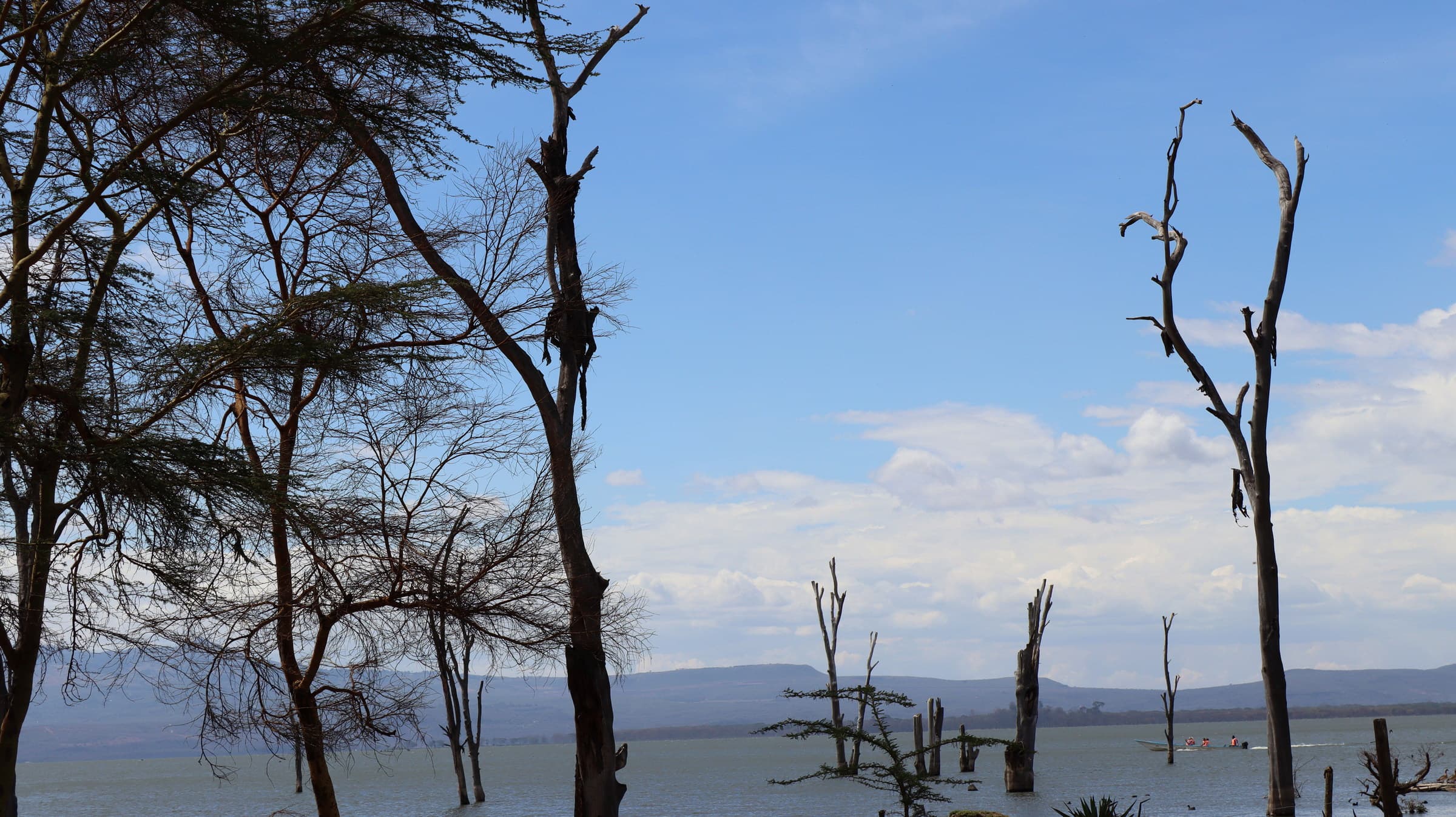
Today's route brings together Boat ride with hippos and Crescent Island walking safari. Start with a morning game drive in Nakuru focusing on areas not covered yesterday — the southern shores and the euphorbia forest where rhinos are frequently spotted. Following breakfast, drive south to the freshwater Lake Naivasha nestled in the Great Rift Valley. Enjoy an afternoon boat ride gliding across the lake past pods of enormous hippos yawning and submerging, while African fish eagles swoop from waterside trees with their distinctive cry. Look for herons, cormorants, kingfishers, and lily-trotters among the papyrus reeds. Stop at Crescent Island — a unique wildlife sanctuary where you walk freely among zebra, giraffe, wildebeest, and gazelle with no fences or vehicles between you and the animals. Head back to your lakeside camp for dinner.

  • Boat ride with hippos
  • Crescent Island walking safari
  • Fish eagles

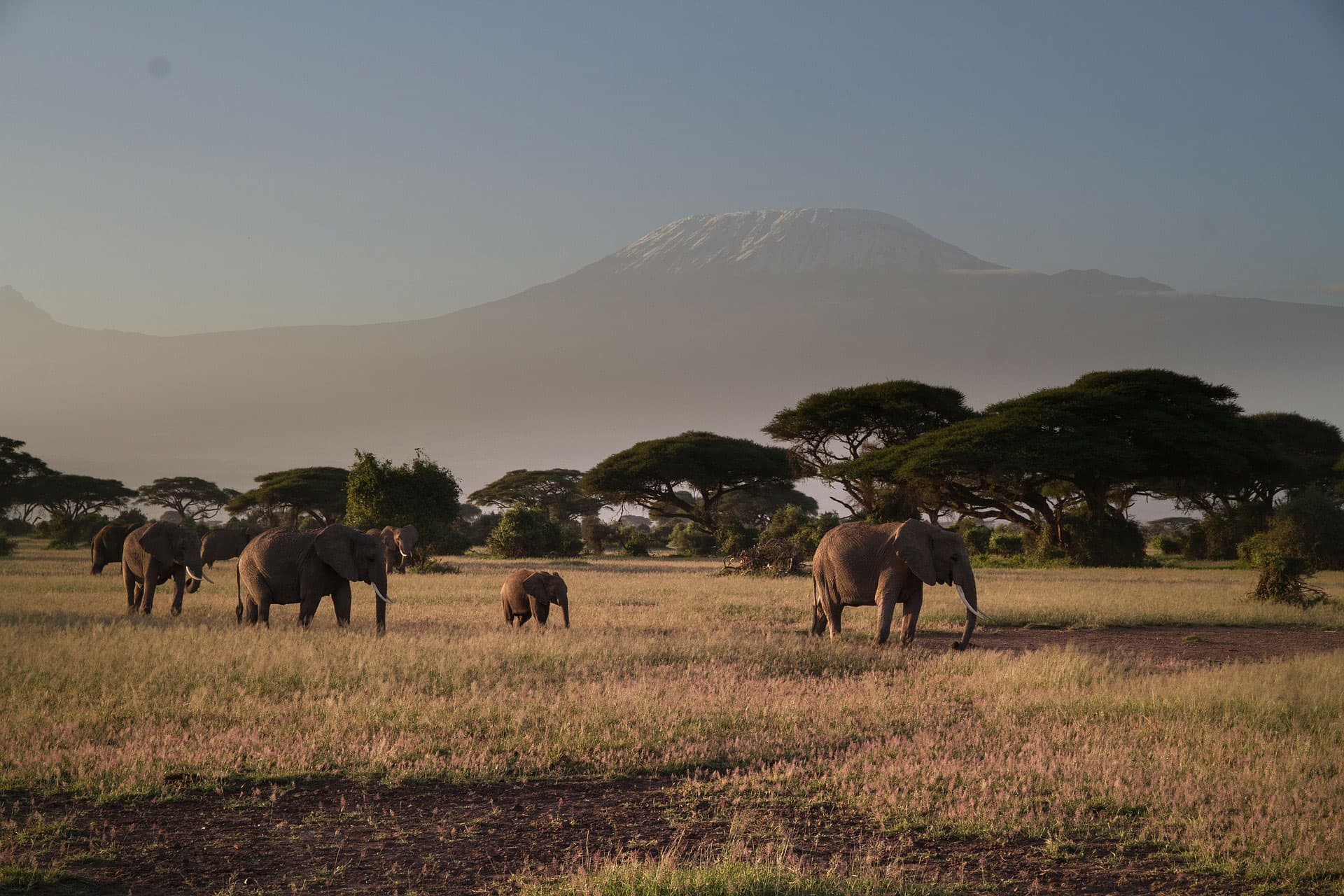
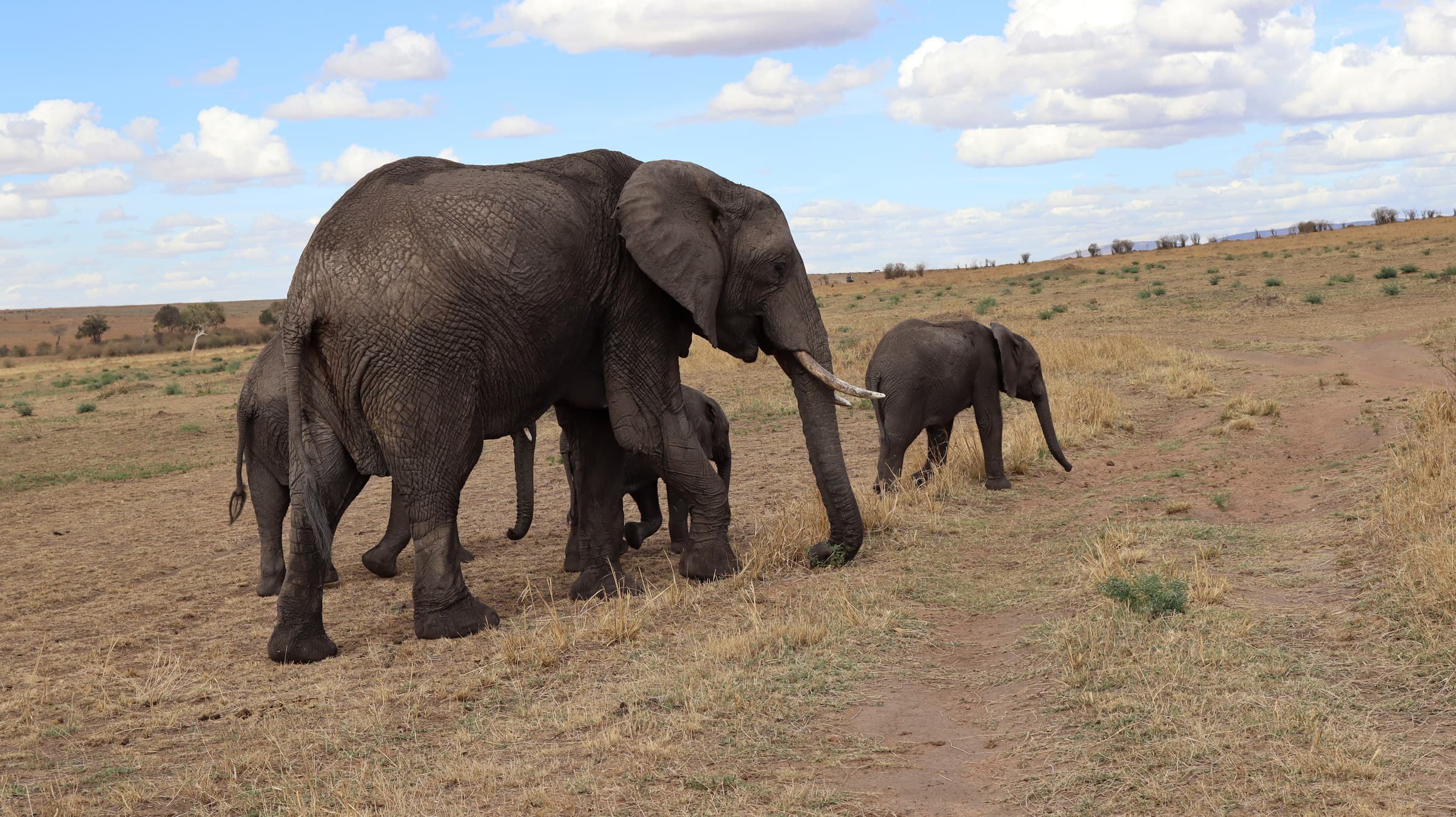
Expect the day to center on Mount Kilimanjaro views and Giant elephant herds. Following breakfast, drive south through Nairobi and continue to Amboseli National Park at the foot of Africa's highest mountain. The 5-hour drive takes you through changing landscapes from highlands to dry savannah. Reach Amboseli by early afternoon and settle into camp. As Mount Kilimanjaro emerges from the clouds on the horizon, set off for your first Amboseli game drive. The park is famous for its giant elephant herds — some of the largest tuskers in Africa roam freely here. Watch as families of elephants, including tiny calves, move across the golden plains with Kilimanjaro's snow-capped peak as the most spectacular backdrop in African safari photography. Look for wildebeest, zebra, giraffe, and gazelle sharing the grasslands. Stop at Observation Hill for a breathtaking 360-degree panorama of the entire park and the marshes fed by Kilimanjaro's underground melt water.

  • Mount Kilimanjaro views
  • Giant elephant herds
  • Observation Hill

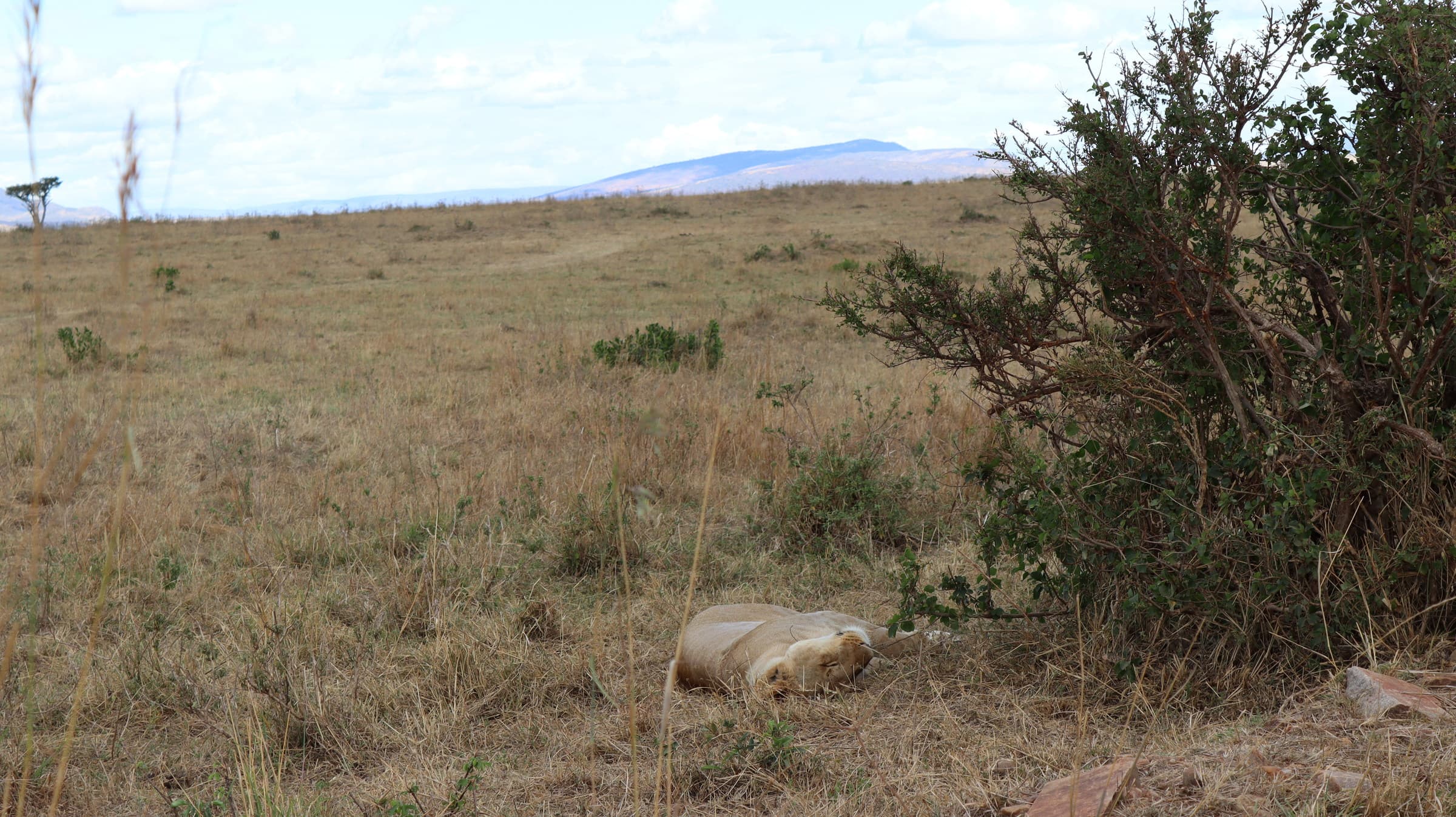
Day 4 is built around Sunrise Kilimanjaro photography and Swamp wildlife. Spend the day focused on morning and afternoon game drives in Amboseli. The early morning offers a good opportunity for clear Kilimanjaro views before clouds build up, and golden light creates appealing conditions for photography. Travel through different habitats — dry lake beds, swamps, woodlands, and open plains — each attracting different wildlife. The Amboseli swamps are magnets for elephants, hippos, and buffalo during dry season, while the open plains attract large herds of wildebeest, zebra, and their predators. Keep watch for lions resting under bushes, cheetahs scanning from termite mounds, and hyenas at their dens. The birdlife is exceptional with martial eagles, secretary birds, and over 400 recorded species.

  • Sunrise Kilimanjaro photography
  • Swamp wildlife
  • Predator tracking

The focus today is Scenic cross-country drive and First Mara game drive. Early breakfast and drive to Masai Mara, Kenya's crown jewel (approximately 7-8 hours with lunch stop in Narok town). The drive takes you through changing landscapes from Amboseli's dry savannah through Maasai pastoralist lands to the rolling green hills approaching the Mara. Reach in the late afternoon and settle into your Mara budget camp. A short evening game drive introduces you to the Mara's incredible wildlife density — the highest concentration of animals per square kilometer in Africa.

  • Scenic cross-country drive
  • First Mara game drive

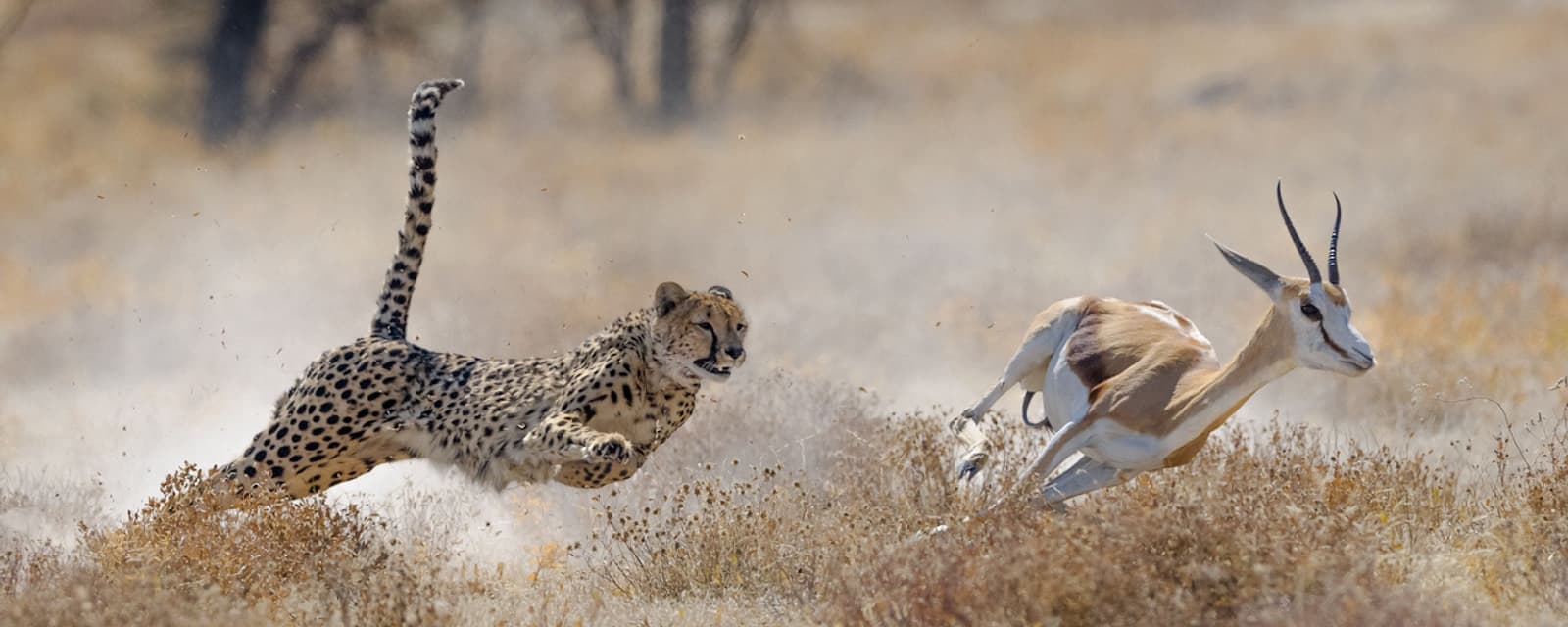
Today's route brings together Mara River and Big Five. Spend the day exploring the Masai Mara with morning and afternoon game drives covering different sectors of this vast reserve. The morning game drive ventures to the Mara River where massive Nile crocodiles bask on sandbanks and hippo pods fill the deeper pools. During migration season (July-October), this is the dramatic stage for the Great Wildebeest Migration river crossings. Discover the open grasslands where lion prides hunt, cheetahs sprint after Thomson's gazelle, and enormous buffalo herds darken the plains. Enjoy a bush picnic lunch surrounded by wildlife. The afternoon drive focuses on the Mara Triangle or Talek area depending on current wildlife concentrations. Optional visit to a traditional Maasai village for an authentic cultural experience with singing, dancing, and learning about their ancient pastoral traditions.

  • Mara River
  • Big Five
  • Migration (seasonal)
  • Optional Maasai village

Expect the day to center on Final wildlife-viewing opportunity. Final early morning game drive for last incredible sightings — dawn often rewards with predators returning from night hunts, lion cubs playing, and the savannah bathed in golden light. Following breakfast, pack up and depart for Nairobi arriving approximately 5:00 PM. Drop-off at your hotel or JKIA airport. Safari ends with memorable memories.

  • Final wildlife-viewing opportunity

What’s Included

Accommodation type depends on your selected camp or lodge option.

  • All game drives in 4x4 vehicle
  • Professional guide
  • All park fees
  • 6 nights budget camping
  • All meals
  • Boat ride Lake Naivasha
  • Crescent Island walk
  • Water
  • Nairobi transfers

Not Included

  • Flights
  • Insurance
  • Visa
  • Tips
  • Balloon safari
  • Maasai village fee ($25)
  • Drinks
  • Personal items

Practical Planning Notes

Starting prices, accommodation and time-sensitive fees must be reconfirmed for your dates. Wildlife, migration conditions, weather and mountain summits cannot be guaranteed.

Who This Safari Suits

This itinerary is best suited to value-conscious travelers who would rather spend on the safari experience than on unnecessary luxury.

Plan 7-Day Grand Kenya Budget Safari

Share your travel dates and group size. We’ll use this exact itinerary as the starting point for your enquiry.

Accommodation status

What this approved itinerary currently says

Budget camping tents

What to confirm before booking

If the itinerary does not name a property, the exact lodge or camp remains to be confirmed in the dated quotation. Ask for the property, room, meals, location, substitution terms and any child or accessibility rules.

Destination guides for this route

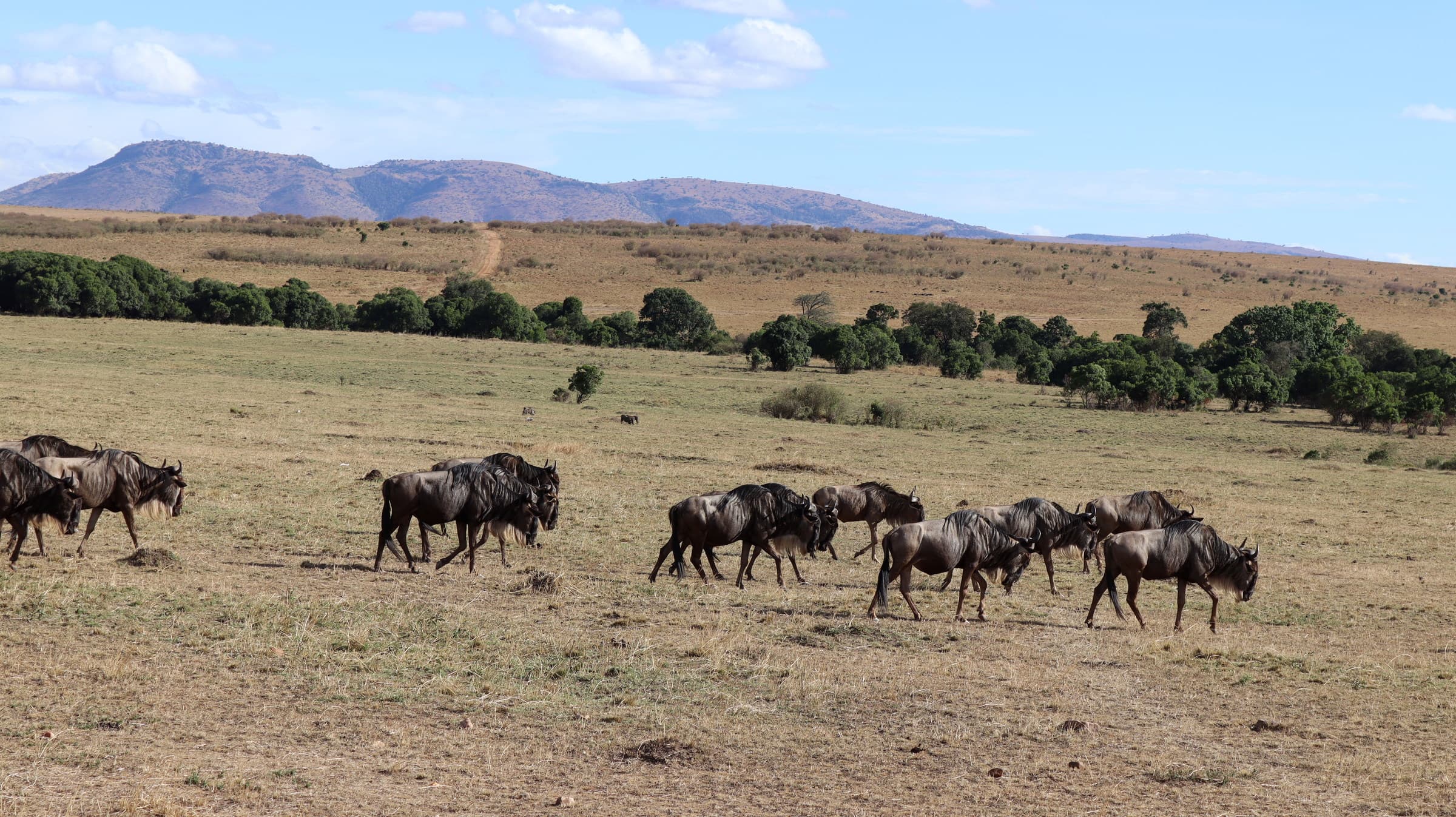
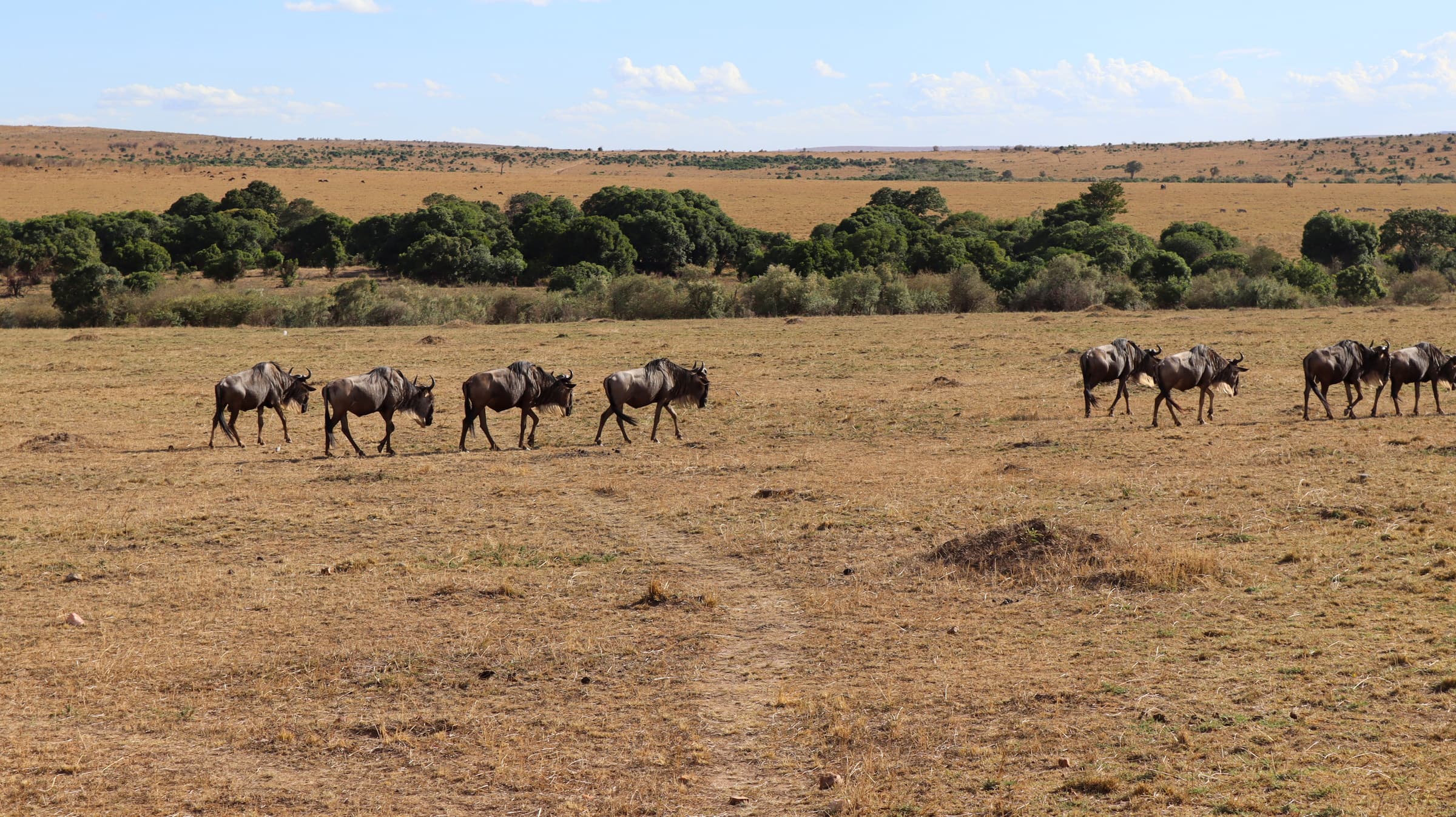
Wildebeest herd in open plains

kenya

Masai Mara National Reserve

The Masai Mara is a savannah reserve in south-west Kenya, connected ecologically to Tanzania's Serengeti. Travellers choose it for year-round game viewing, big-cat habitat and seasonal movement of wildebeest and zebra, but no particular sighting or river crossing can be guaranteed.

Read Masai Mara National Reserve
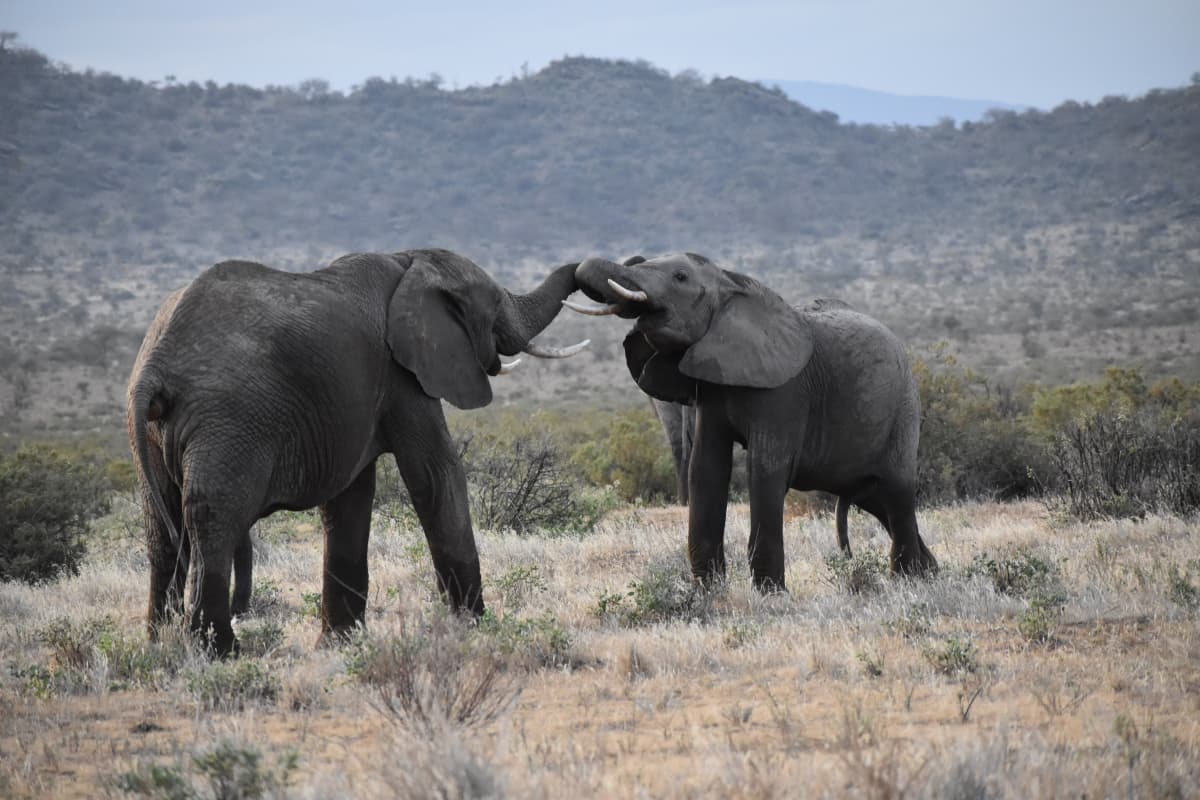
African elephants with Kilimanjaro beyond

kenya

Amboseli National Park

Amboseli is a southern Kenya national park known for elephants, wetlands fed by underground water and views toward Mount Kilimanjaro across the border in Tanzania. Clear mountain views depend on cloud and weather, so they should be treated as an opportunity rather than a promise.

Read Amboseli National Park
Flamingos on Lake Nakuru

kenya

Lake Nakuru National Park

Lake Nakuru National Park protects a Rift Valley lake and surrounding woodland, grassland and rocky escarpment. It is frequently included for rhino conservation and birdlife; flamingo numbers change with lake conditions and should never be promised.

Read Lake Nakuru National Park
Lake Naivasha waterfront

kenya

Lake Naivasha

Lake Naivasha is a freshwater Rift Valley lake used as a relaxed stop between Nairobi, Lake Nakuru and the Masai Mara. Boat trips, birding and nearby walking or cycling activities are optional and depend on weather, water conditions and the chosen operator.

Read Lake Naivasha

Wildlife you may encounter

African lion resting in open grass

Opportunity, not a guarantee

African lion

The African lion is a social large cat of savannah, shrubland and woodland. East African parks can offer opportunities to observe prides or solitary animals, but activity, cover and territory make every sighting uncertain.

Read African lion
African savanna elephant family walking in grassland

Opportunity, not a guarantee

African savanna elephant

The African savanna elephant is a wide-ranging, highly social herbivore of open and wooded habitats. Family groups and bulls move across park boundaries and wildlife corridors, so their space and right of way are central to responsible viewing.

Read African savanna elephant
African leopard in natural habitat

Opportunity, not a guarantee

African leopard

The African leopard is a solitary, adaptable spotted cat that uses savannah, woodland, rocky country and forest. It can live near busy safari routes yet remain difficult to find because camouflage and cover are central to its behaviour.

Read African leopard
Cheetah in Masai Mara grassland

Opportunity, not a guarantee

Cheetah

The cheetah is a slender, speed-adapted cat associated with open grassland, savannah and shrubland. It is often active by day, but a safari cannot promise a chase or even a sighting.

Read Cheetah
Black rhinoceros cow and calf in open grassland

Opportunity, not a guarantee

Black rhinoceros

The black rhinoceros is a Critically Endangered browsing rhino with a hooked upper lip. East African populations are closely protected; exact locations should not be exposed and a safari should never promise a sighting.

Read Black rhinoceros
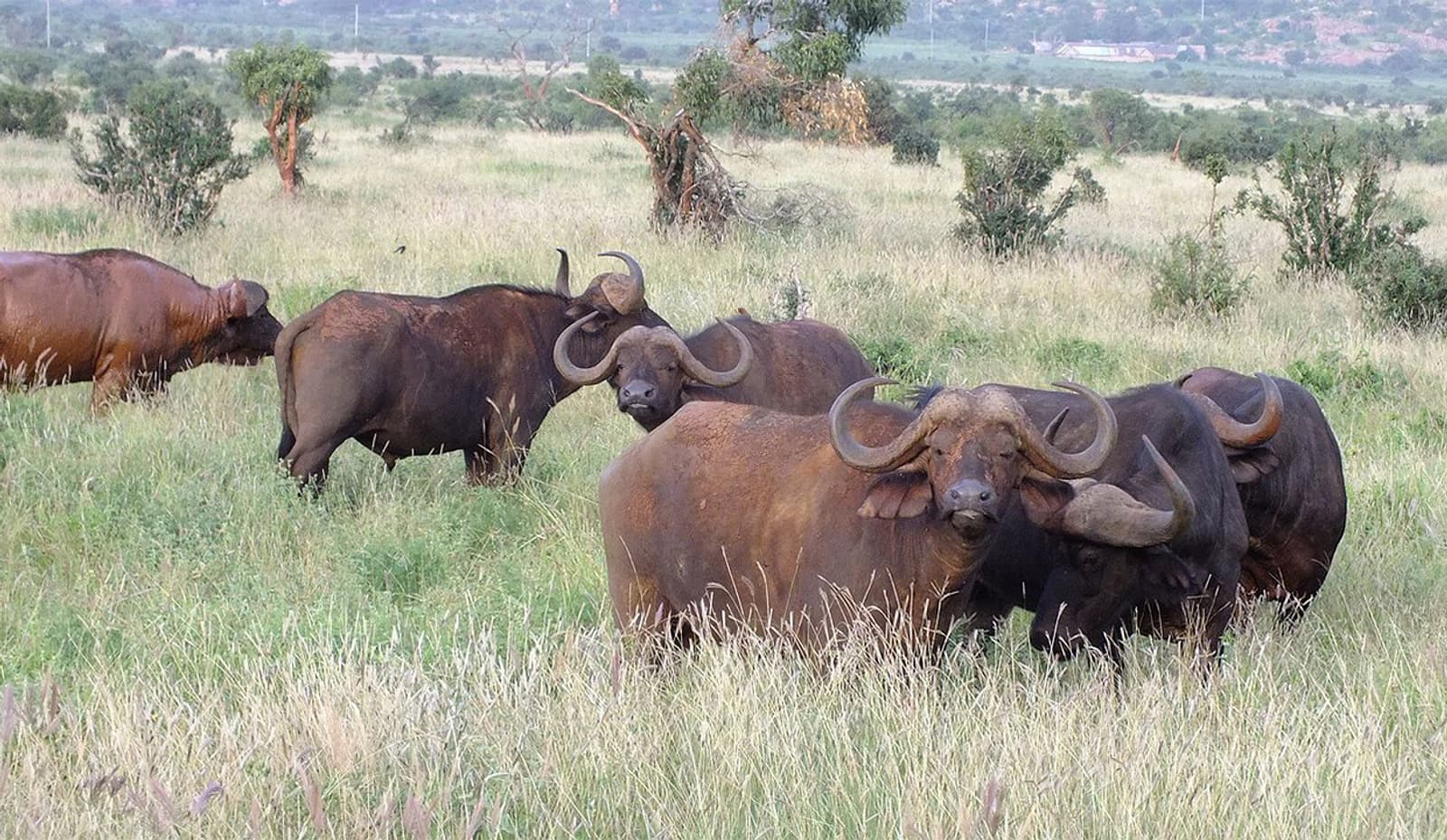
African buffalo in open grassland

Opportunity, not a guarantee

African buffalo

The African buffalo is a water-dependent, herd-forming bovid found in grassland, woodland and some forest systems. It is powerful and unpredictable at close range, so visitors should remain in authorized vehicles or guided areas.

Read African buffalo

Plan this route with context

Wildebeest herd crossing open East African grassland

Travel guide

Kenya vs Tanzania Safari

Choose Kenya when you value a compact range of routes, Nairobi access and combinations such as the Masai Mara with Rift Valley or coast. Choose northern Tanzania when you want a broad Serengeti-Ngorongoro-Tarangire circuit. Choose both only when you have enough nights for border or flight logistics; neither country is a universal winner.

Read Kenya vs Tanzania Safari
Acacia trees in open savannah

Travel guide

Best Time for an East Africa Safari

There is no single best month for all East Africa. Drier periods can concentrate some wildlife and improve road conditions; greener periods can bring birding, dramatic landscapes and lower demand. Migration, rain and gorilla trekking require destination-specific planning, not a fixed continent-wide calendar.

Read Best Time for an East Africa Safari
Permanent safari guest tent

Travel guide

Safari Accommodation Explained

Choose safari accommodation by exact property, location, room and operating details, not by the word lodge, camp or luxury alone. A permanent tented camp can have full en-suite rooms, while a lodge can be simple; category labels are not universal ratings.

Read Safari Accommodation Explained