7-Day Kenya & Tanzania Safari

From $2,700 • Lodge option from $3,400 • 7 Days / 6 Nights

7 Days / 6 Nights
Nairobi, Amboseli, Arusha
From $2,700
Mid-range lodges
4x4 Safari Land Cruiser
2-6 Travelers
All meals included

Starting price

From $2,700

Lodge option

From $3,400

Route Highlights

  • Mount Kilimanjaro views
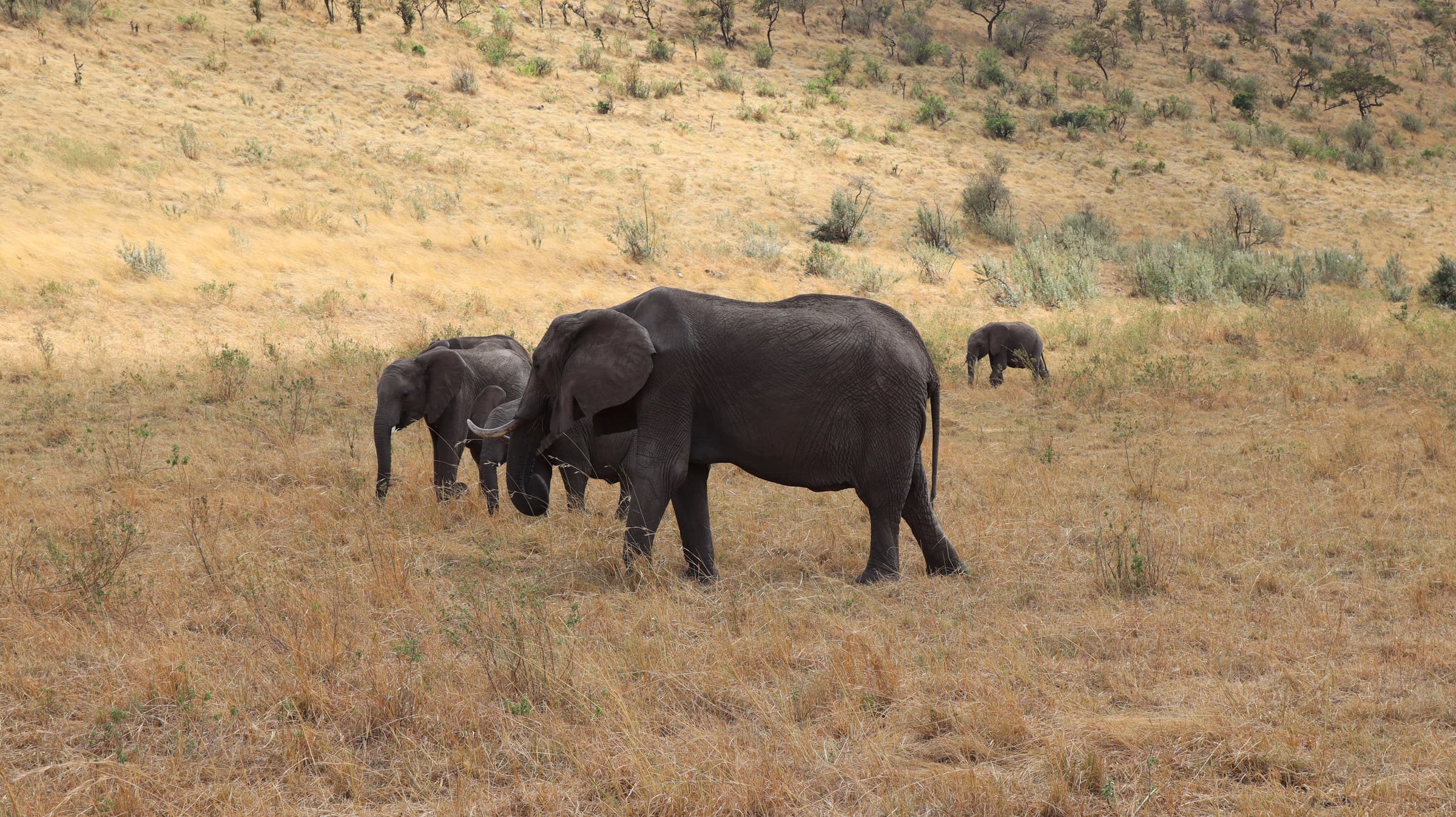
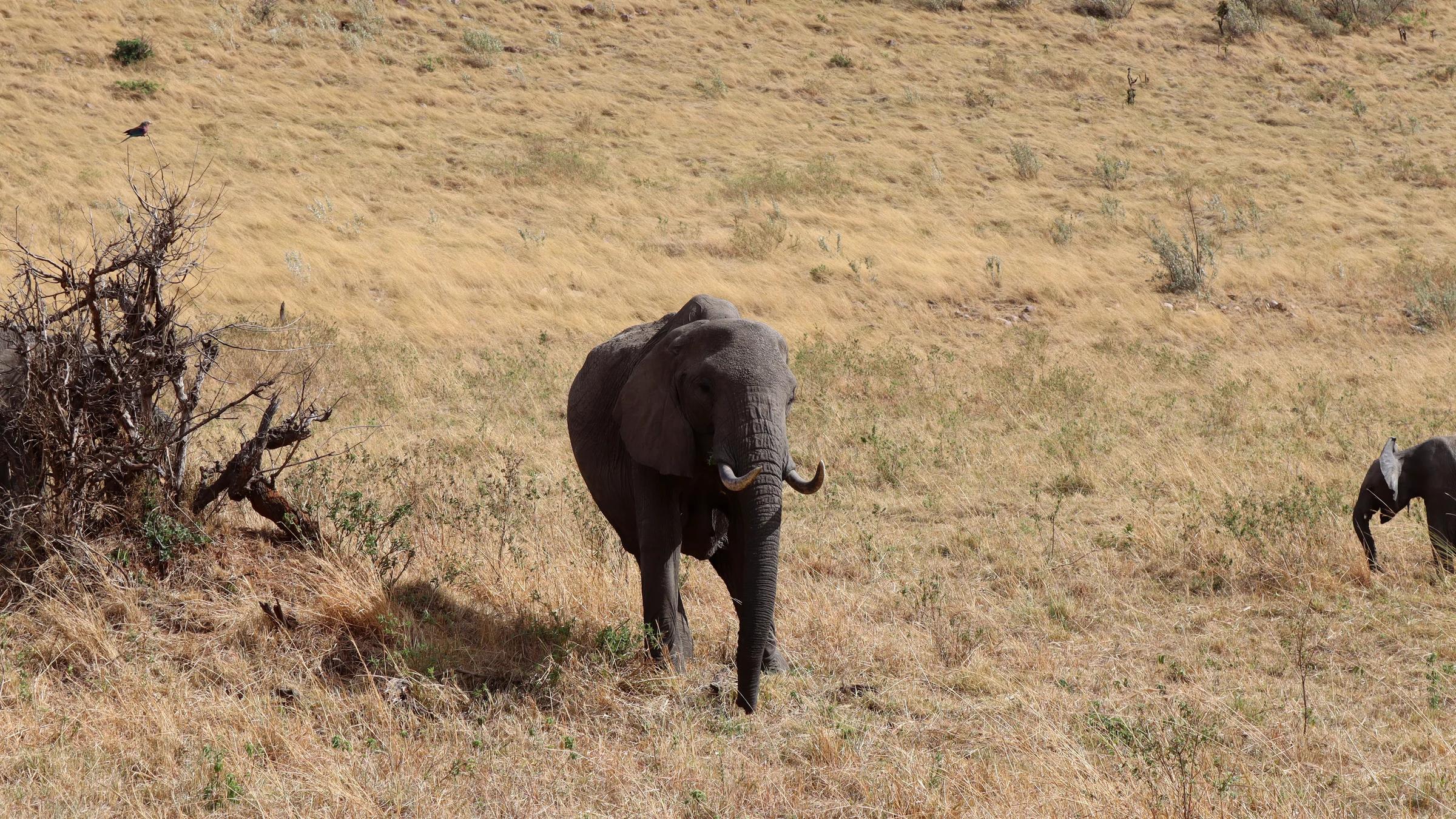
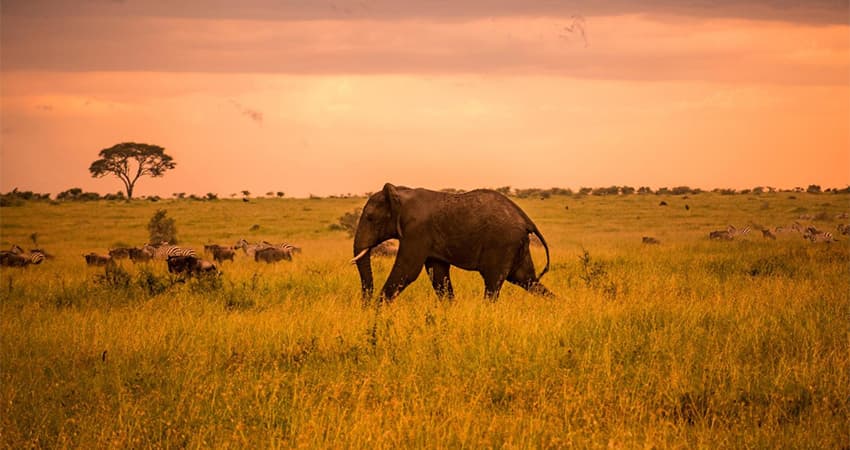
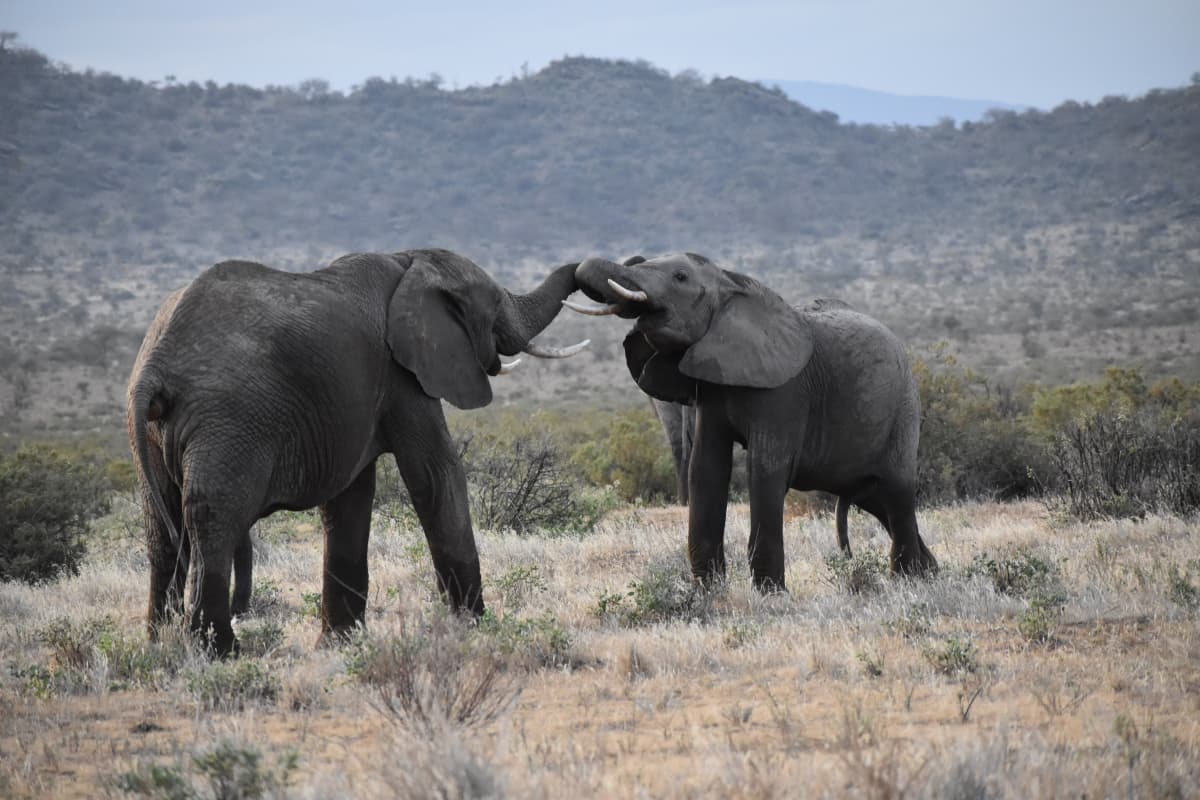
  • Elephant herds
  • Observation Hill sunset
  • Border crossing
  • Crater rim views

Why Choose This Safari?

Travel through Nairobi, Amboseli, Arusha, Ngorongoro Crater, Serengeti on this 7 Days / 6 Nights safari. The route connects complementary Kenya and Tanzania wildlife areas for travelers who want a cross-border safari without piecing together separate trips. Highlights include Mount Kilimanjaro views, Elephant herds and Observation Hill sunset. Use the full day-by-day plan to compare game-drive time, transfers, accommodation, meals, included fees and optional activities—not only the headline price. Prices start from $2,700, with a lodge option shown from $3,400. Confirm final availability and any time-sensitive fees for your travel dates.

Safari at a Glance

Duration
7 Days / 6 Nights
Destinations
Nairobi, Amboseli, Arusha, Ngorongoro Crater, Serengeti
Starting price
$2,700
Lodge option
$3,400
Accommodation
Mid-range lodges
Group size
2-6 Travelers
Difficulty
Easy
Transport
4x4 Safari Land Cruiser
Meals
All meals included

Day-by-Day Itinerary

The focus today is Mount Kilimanjaro views and Elephant herds. Set out from Nairobi in the early morning, drive south to Amboseli. The afternoon is reserved for a game drive among giant elephant herds with Kilimanjaro views. Stop at Observation Hill for a breathtaking 360-degree panoramic sunset over the park and Africa's highest peak.

  • Mount Kilimanjaro views
  • Elephant herds
  • Observation Hill sunset

Today's route brings together Border crossing and Crater rim views. Start with a morning game drive in Amboseli. Following lunch, drive to the Kenya-Tanzania border at Namanga. Complete border formalities and meet your Tanzania guide. Travel onward to the Ngorongoro Conservation Area. Evening at the crater rim with spectacular views.

  • Border crossing
  • Crater rim views

Expect the day to center on Big Five and Black rhinos. Full morning exploring the crater floor — the world's largest unbroken volcanic caldera with approximately 25,000 animals. Look for Big Five including endangered black rhinos, flamingo-fringed lakes, and hippo pools. Afternoon at leisure on the rim or optional Maasai village visit.

  • Big Five
  • Black rhinos
  • Flamingos
  • Hippo pools

Day 4 is built around Olduvai Gorge and First Serengeti game drive. Travel across the Serengeti ecosystem. Stop at Olduvai Gorge — the Cradle of Mankind archaeological site where some of humanity's oldest fossils were discovered. Reach Serengeti, afternoon game drive on the endless plains teeming with wildebeest, zebra, and predators.

  • Olduvai Gorge
  • First Serengeti game drive

The focus today is Seronera Valley and Kopjes. Spend the day game drives in the Serengeti. Discover the Seronera Valley, kopjes, river crossings (seasonal), predator tracking, vast wildebeest herds. Picnic lunch surrounded by the endless African plains.

  • Seronera Valley
  • Kopjes
  • Predator tracking

Today's route brings together Sunrise game drive and Optional balloon safari. Discover different sectors of the Serengeti. Early morning drive for predator hunts and sunrise photography. Optional hot air balloon safari ($500). Afternoon sundowner watching sunset paint the vast Serengeti plains in gold and crimson.

  • Sunrise game drive
  • Optional balloon safari
  • Sundowner

Expect the day to center on Final game drive. Start with a morning game drive for final wildlife encounters. Following breakfast, drive back to Arusha (with optional flight) or continue to Nairobi. Safari ends with memories to last a lifetime.

  • Final game drive

What’s Included

Accommodation type depends on your selected camp or lodge option.

  • All game drives
  • Professional guides (Kenya + Tanzania)
  • All park/crater fees
  • 6 nights accommodation
  • All meals
  • Safari vehicles
  • Border crossing assistance
  • Drinking water
  • Nairobi pick-up/drop-off

Not Included

  • Flights
  • Tanzania visa ($50 at border)
  • Insurance
  • Tips
  • Balloon safari
  • Drinks
  • Personal expenses

Practical Planning Notes

Starting prices, accommodation and time-sensitive fees must be reconfirmed for your dates. Wildlife, migration conditions, weather and mountain summits cannot be guaranteed.

Who This Safari Suits

This itinerary is best suited to first-time or returning East Africa visitors who want two countries in one carefully sequenced route.

Plan 7-Day Kenya & Tanzania Safari

Share your travel dates and group size. We’ll use this exact itinerary as the starting point for your enquiry.

Accommodation status

What this approved itinerary currently says

Mid-range lodges

What to confirm before booking

If the itinerary does not name a property, the exact lodge or camp remains to be confirmed in the dated quotation. Ask for the property, room, meals, location, substitution terms and any child or accessibility rules.

Destination guides for this route

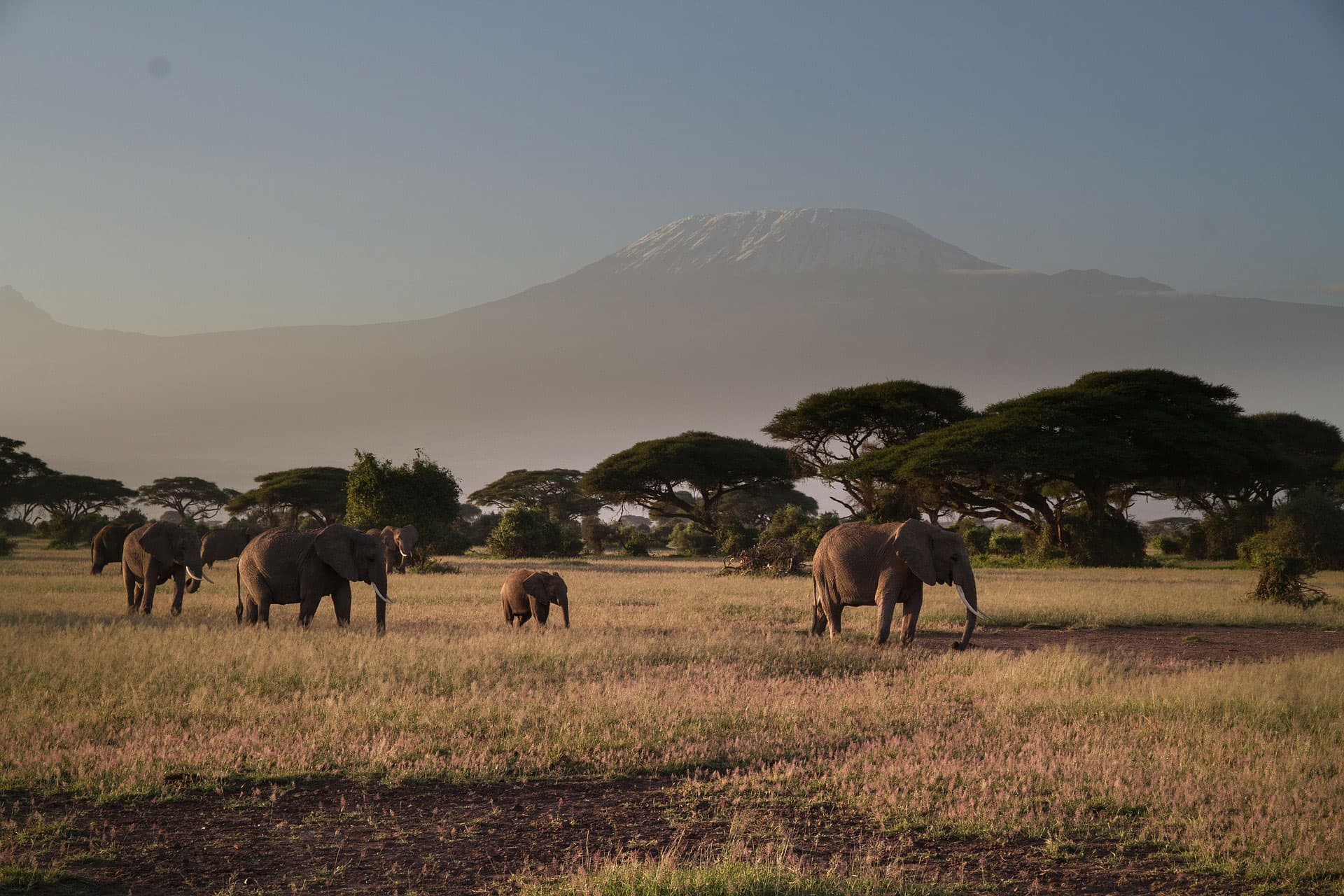
African elephants with Kilimanjaro beyond

kenya

Amboseli National Park

Amboseli is a southern Kenya national park known for elephants, wetlands fed by underground water and views toward Mount Kilimanjaro across the border in Tanzania. Clear mountain views depend on cloud and weather, so they should be treated as an opportunity rather than a promise.

Read Amboseli National Park
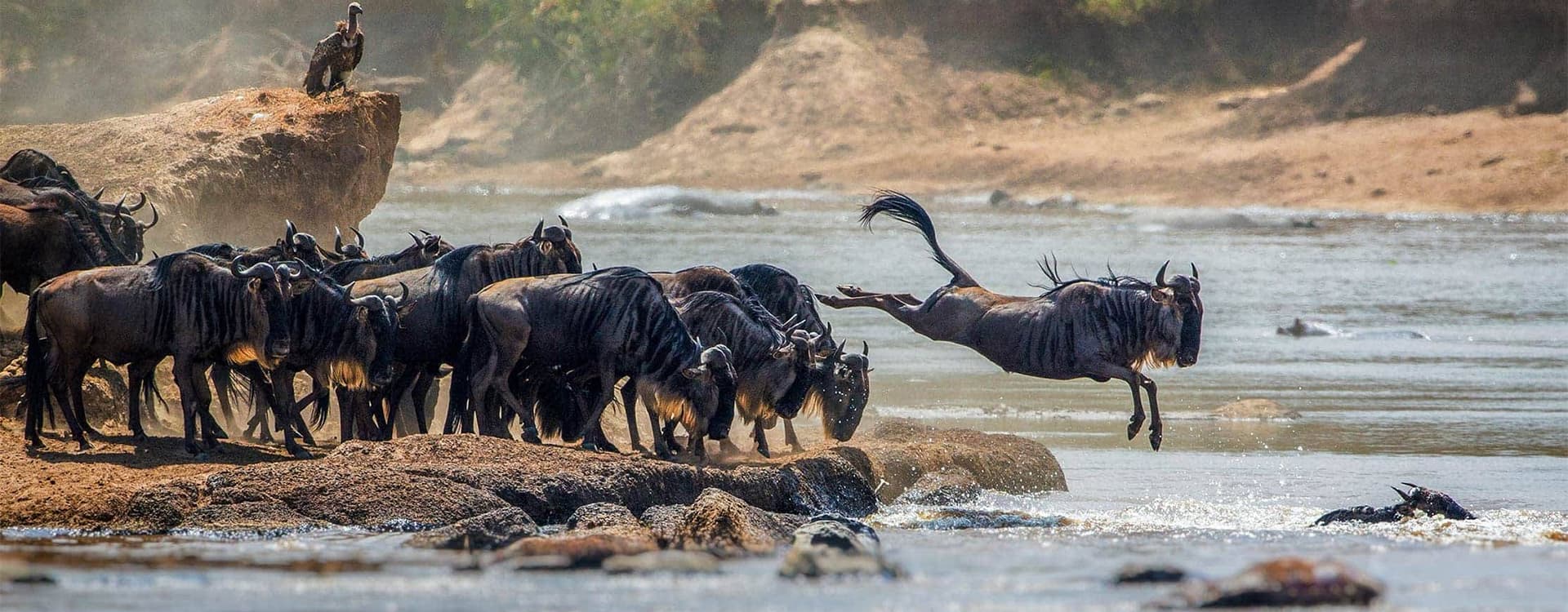
Wildebeest crossing a river in the Serengeti ecosystem

tanzania

Serengeti National Park

The Serengeti is a vast northern Tanzania national park within the wider Mara-Serengeti ecosystem. Wildlife viewing is possible year-round, while the location and pace of migratory herds change with rain, grazing and calving cycles.

Read Serengeti National Park
Wildlife in the Ngorongoro Crater landscape

tanzania

Ngorongoro Conservation Area

The Ngorongoro Conservation Area is a multi-use protected landscape in northern Tanzania, best known to visitors for the Ngorongoro Crater. A crater game drive can offer concentrated wildlife viewing, while access, descent timing and current authority rules shape the day.

Read Ngorongoro Conservation Area

Wildlife you may encounter

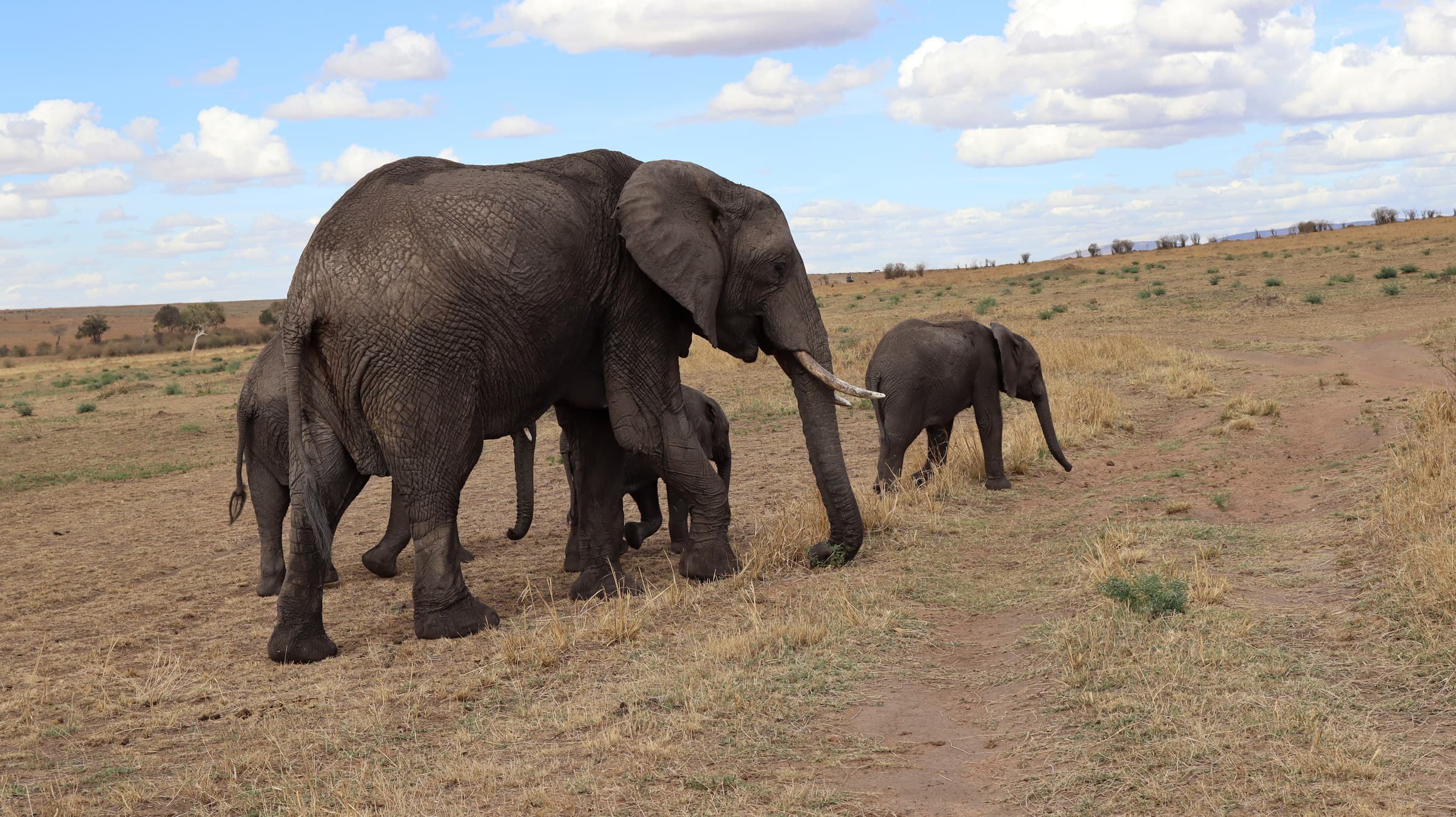
African savanna elephant family walking in grassland

Opportunity, not a guarantee

African savanna elephant

The African savanna elephant is a wide-ranging, highly social herbivore of open and wooded habitats. Family groups and bulls move across park boundaries and wildlife corridors, so their space and right of way are central to responsible viewing.

Read African savanna elephant
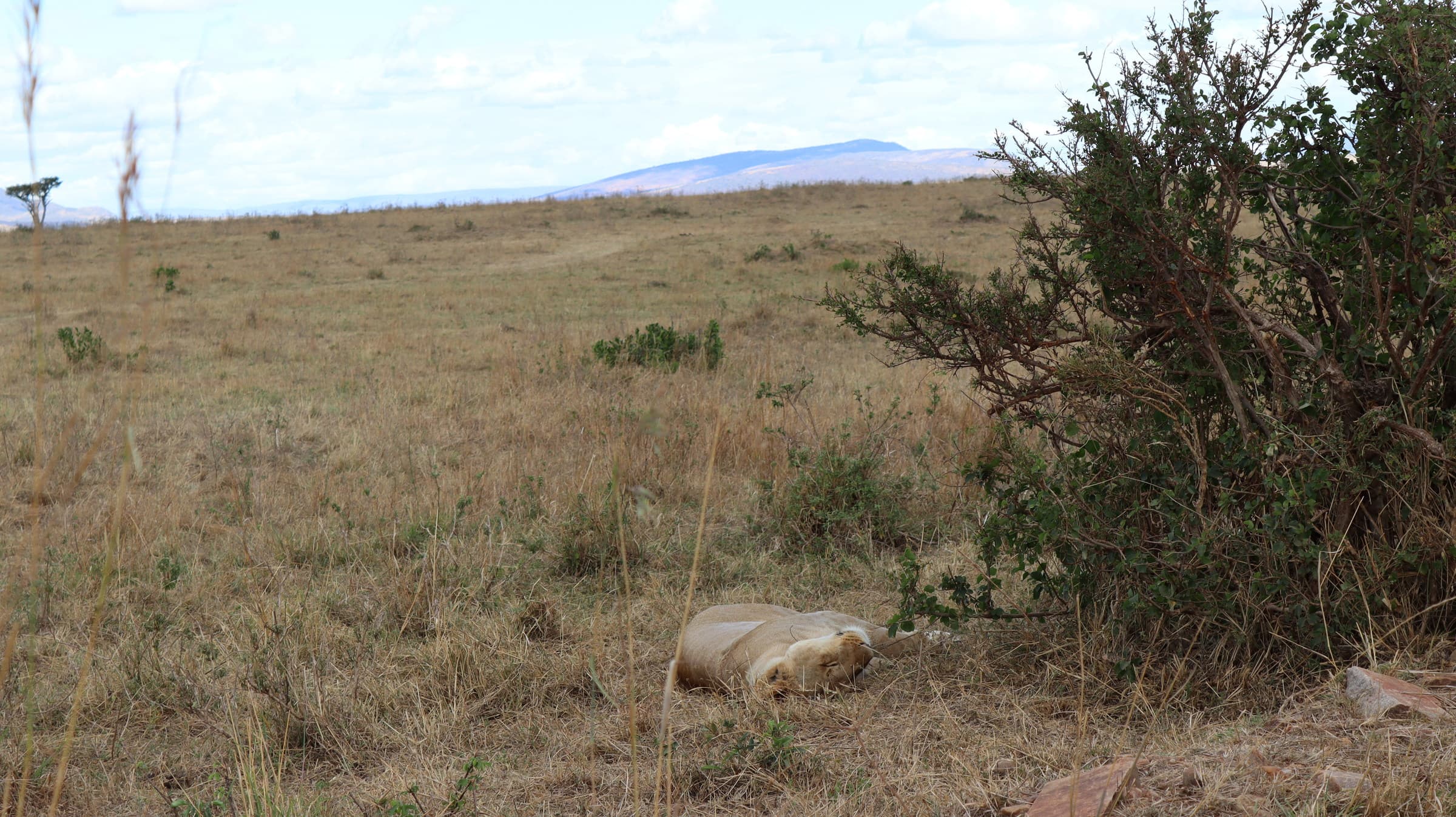
African lion resting in open grass

Opportunity, not a guarantee

African lion

The African lion is a social large cat of savannah, shrubland and woodland. East African parks can offer opportunities to observe prides or solitary animals, but activity, cover and territory make every sighting uncertain.

Read African lion
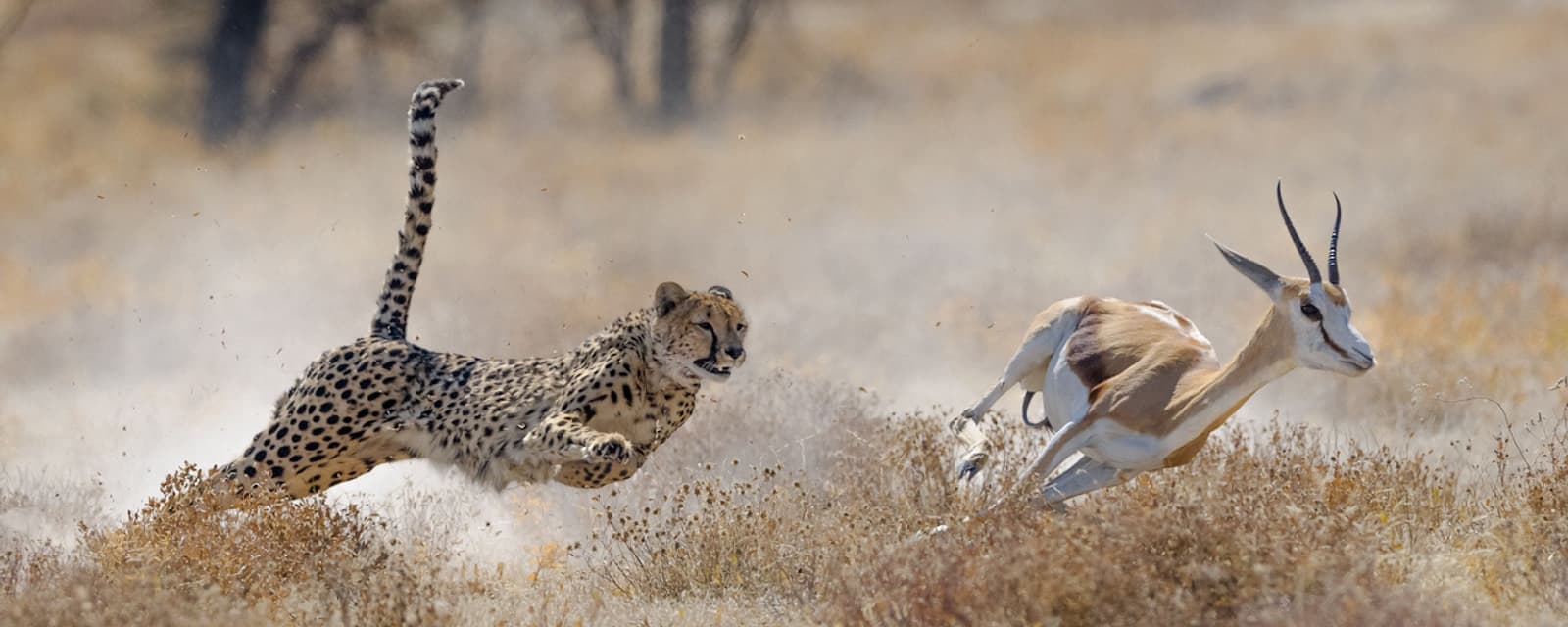
Cheetah in Masai Mara grassland

Opportunity, not a guarantee

Cheetah

The cheetah is a slender, speed-adapted cat associated with open grassland, savannah and shrubland. It is often active by day, but a safari cannot promise a chase or even a sighting.

Read Cheetah
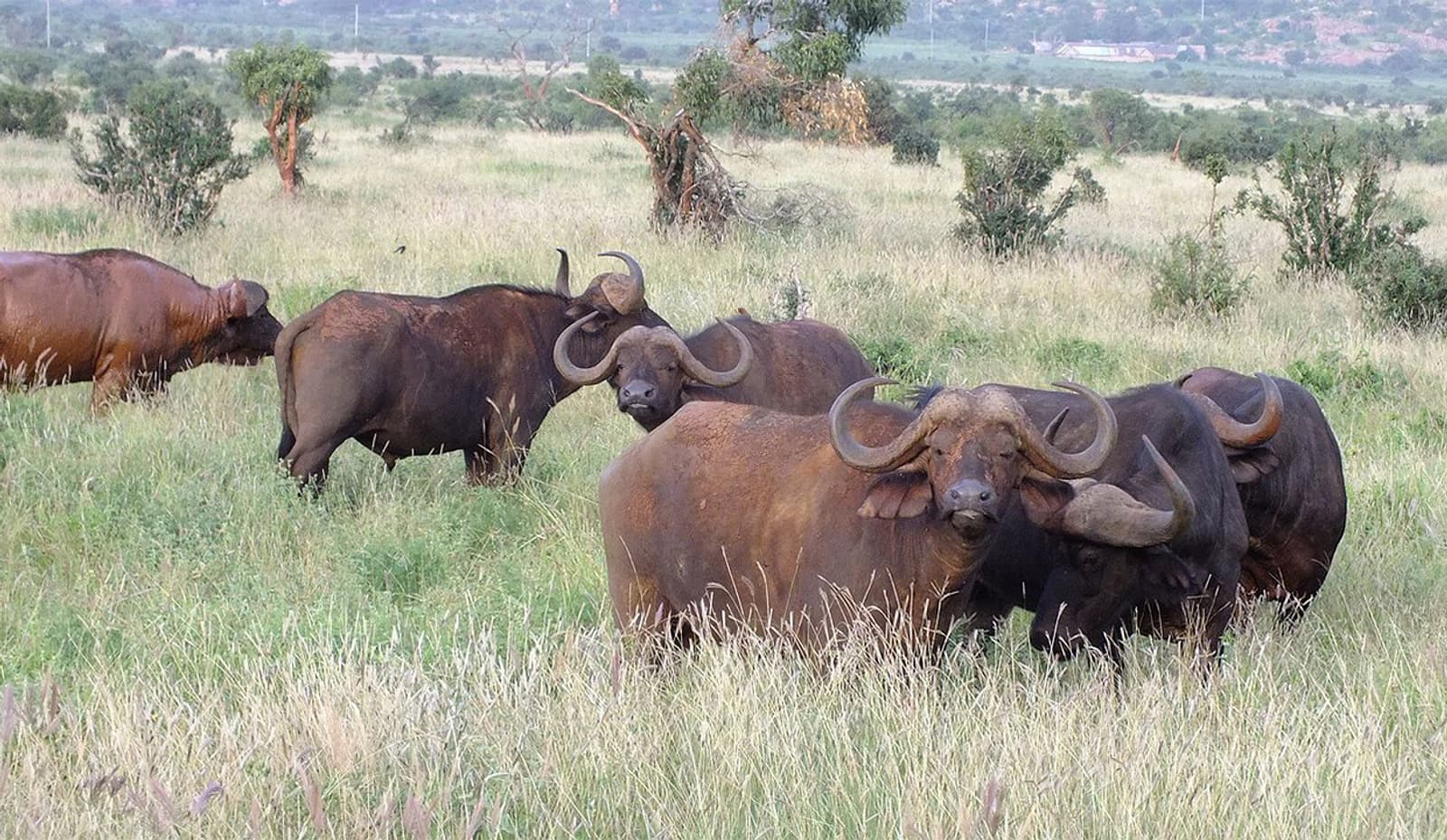
African buffalo in open grassland

Opportunity, not a guarantee

African buffalo

The African buffalo is a water-dependent, herd-forming bovid found in grassland, woodland and some forest systems. It is powerful and unpredictable at close range, so visitors should remain in authorized vehicles or guided areas.

Read African buffalo
Giraffes in savannah habitat

Opportunity, not a guarantee

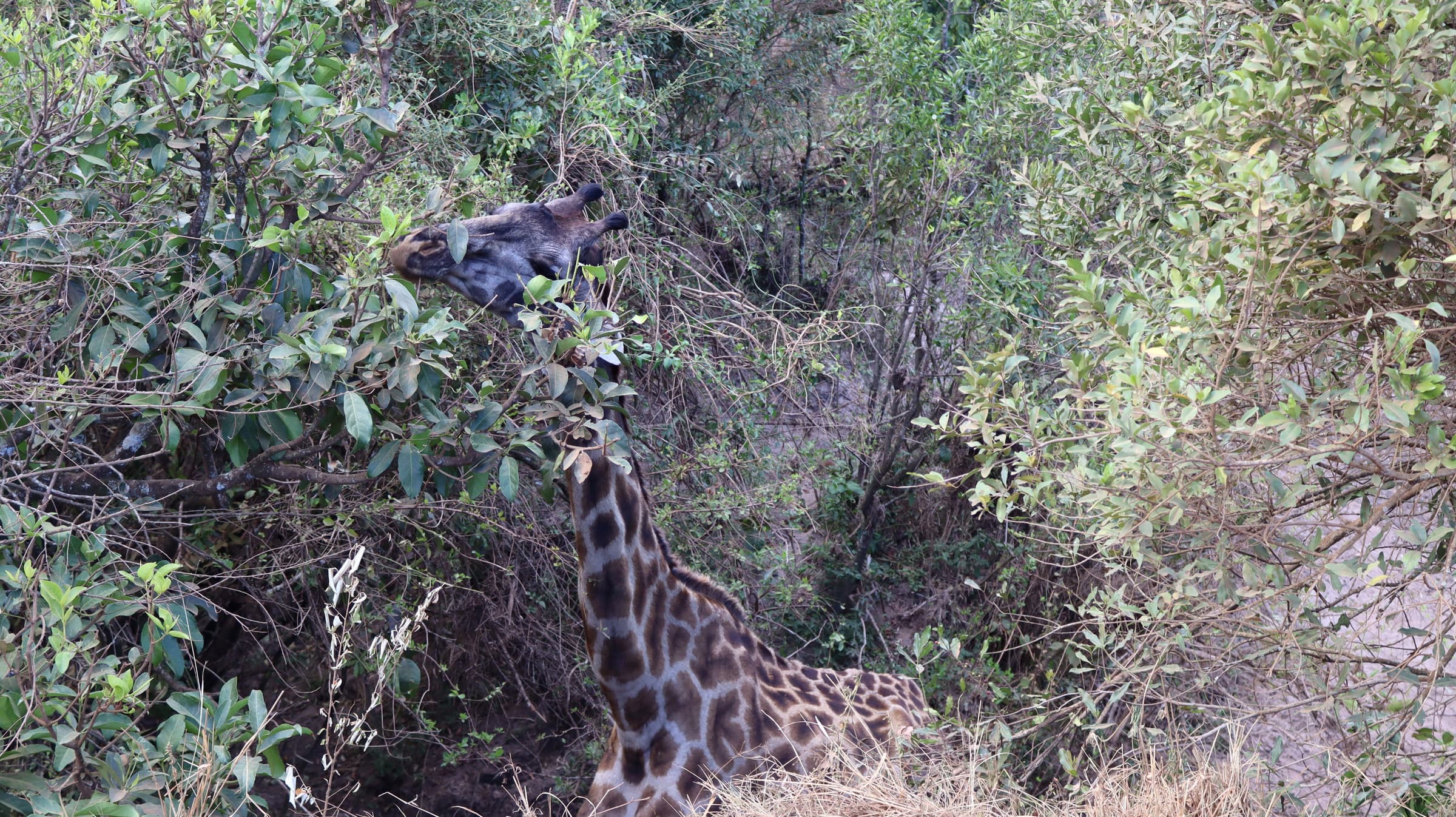
Masai giraffe

The Masai giraffe is an East African giraffe lineage now recognized as Giraffa tippelskirchi under the 2025 IUCN SSC taxonomy update. Its irregular, vine-like patches help distinguish it, but generic giraffe records should not be assigned to this species without evidence.

Read Masai giraffe
Wildebeest herd in open habitat

Opportunity, not a guarantee

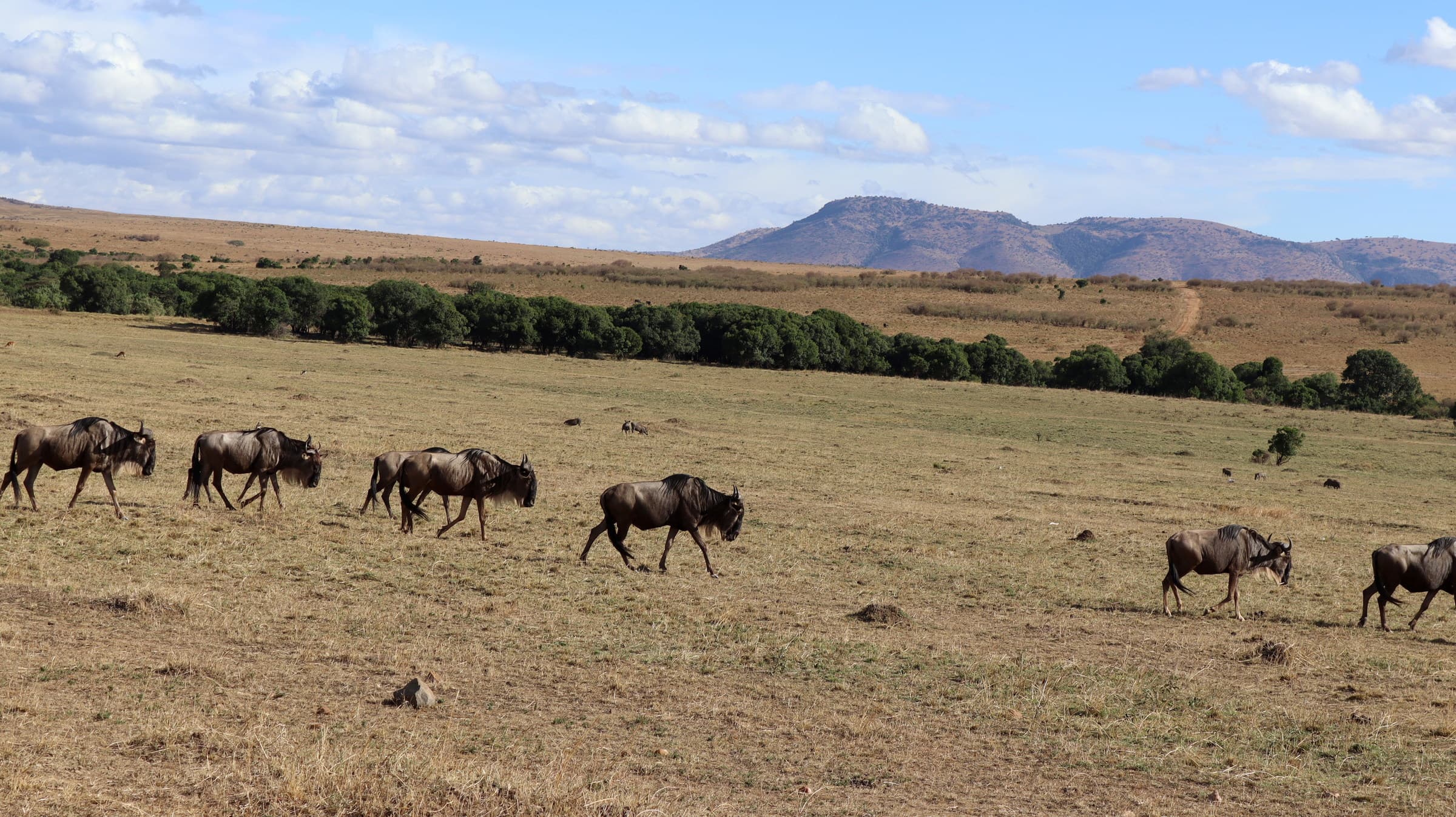
Common wildebeest

The common or blue wildebeest is a herd-forming grazer. In the Mara-Serengeti ecosystem, very large herds move seasonally in response to rain, grazing and water; the movement is continuous and variable rather than a single event on fixed dates.

Read Common wildebeest

Plan this route with context

Acacia trees in open savannah

Travel guide

Best Time for an East Africa Safari

There is no single best month for all East Africa. Drier periods can concentrate some wildlife and improve road conditions; greener periods can bring birding, dramatic landscapes and lower demand. Migration, rain and gorilla trekking require destination-specific planning, not a fixed continent-wide calendar.

Read Best Time for an East Africa Safari
River and grassland in the East African safari ecosystem

Travel guide

Kenya and Tanzania Safari Planning

A Kenya-Tanzania safari works best when the route minimizes backtracking and makes the border or flight day explicit. Confirm whether vehicles and guides change, where luggage is handed over, which entry authorization applies and whether your international flights use Nairobi, Kilimanjaro, Zanzibar or another gateway.

Read Kenya and Tanzania Safari Planning
Elephants in open savannah habitat

Travel guide

Family Safari in East Africa

A good family safari uses fewer bases, a realistic number of game-drive hours and accommodation whose room layout and child policies are confirmed. A private vehicle can add flexibility, while primate permits and individual camps may impose minimum ages.

Read Family Safari in East Africa