7-Day Kenya Wildlife Photography Safari

From $1,500 • 7 Days / 6 Nights

7 Days / 6 Nights
Nairobi, Amboseli, Masai Mara
From $1,500
Photography-focused lodges
Customized photography vehicle
2-6 Photographers
All meals included

Starting price

From $1,500

Route Highlights

  • Kilimanjaro golden hour
  • Photography vehicle
  • Beanbag supports
  • Pre-dawn golden hour
  • Backlit elephant silhouettes

Why Choose This Safari?

Spend 7 Days / 6 Nights traveling through Nairobi, Amboseli, Masai Mara with an itinerary shaped around field time and wildlife observation. The route includes Kilimanjaro golden hour, Photography vehicle and Beanbag supports and suits wildlife photographers who value field time, light, positioning and patient sightings. Instead of promising particular photographs or sightings, the day-by-day plan explains the habitats, timing and safari activity that create opportunities to work patiently with changing wildlife conditions. Prices start from $1,500. Confirm final availability and any time-sensitive fees for your travel dates.

Safari at a Glance

Duration
7 Days / 6 Nights
Destinations
Nairobi, Amboseli, Masai Mara
Starting price
$1,500
Accommodation
Photography-focused lodges
Group size
2-6 Photographers
Difficulty
Easy
Transport
Customized photography vehicle
Meals
All meals included

Day-by-Day Itinerary

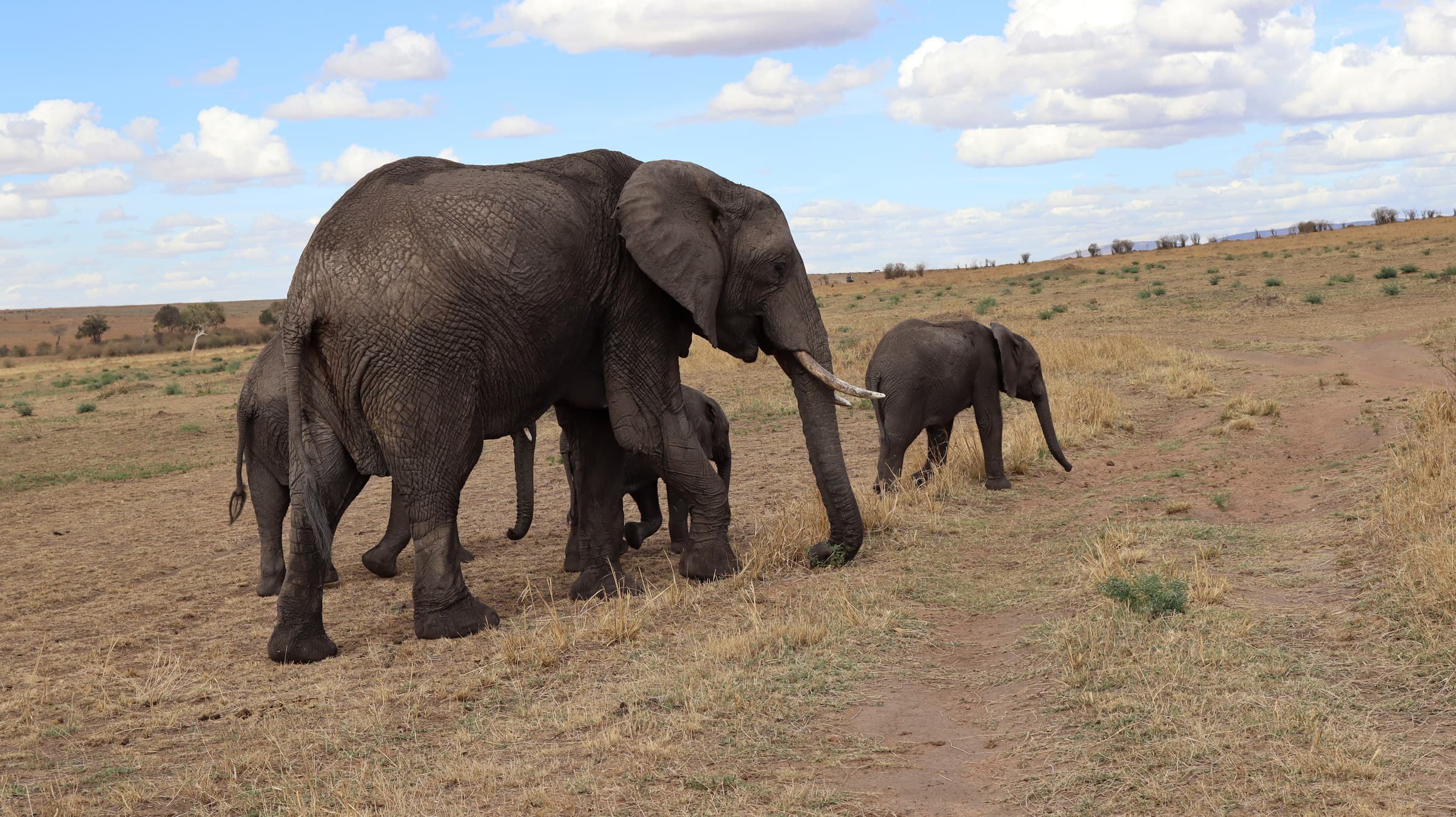
Expect the day to center on Kilimanjaro golden hour and Photography vehicle. Travel to Amboseli. Afternoon golden hour session with elephants and Kilimanjaro — the most iconic photograph in African safari. Your modified photography vehicle has extended roof hatches, beanbag supports, and positions for optimal angles. Guides understand photographer needs — they position for best light direction, clean backgrounds, and eye-level shots.

  • Kilimanjaro golden hour
  • Photography vehicle
  • Beanbag supports

Day 2 is built around Pre-dawn golden hour and Backlit elephant silhouettes. Pre-dawn departure at 5:30 AM for golden hour. Position for backlit elephant silhouettes against Kilimanjaro at dawn — the mountain turns pink and gold. Extended morning shoot at elephant marshes with herds of 50+. Rest during harsh midday light. Late afternoon shoot for backlit wildlife silhouettes against Kilimanjaro at sunset — elephants, giraffes, and acacia trees become dramatic silhouettes.

  • Pre-dawn golden hour
  • Backlit elephant silhouettes
  • Extended marsh shoot

The focus today is First Mara golden hour and Image review session. Morning shoot for final Amboseli images. Travel to the Masai Mara — the photographer's paradise. Reach by mid-afternoon. First golden hour session with the Big Five as the Mara's vast plains glow in warm setting sun. Evening image review and editing tips session with your photography guide.

  • First Mara golden hour
  • Image review session

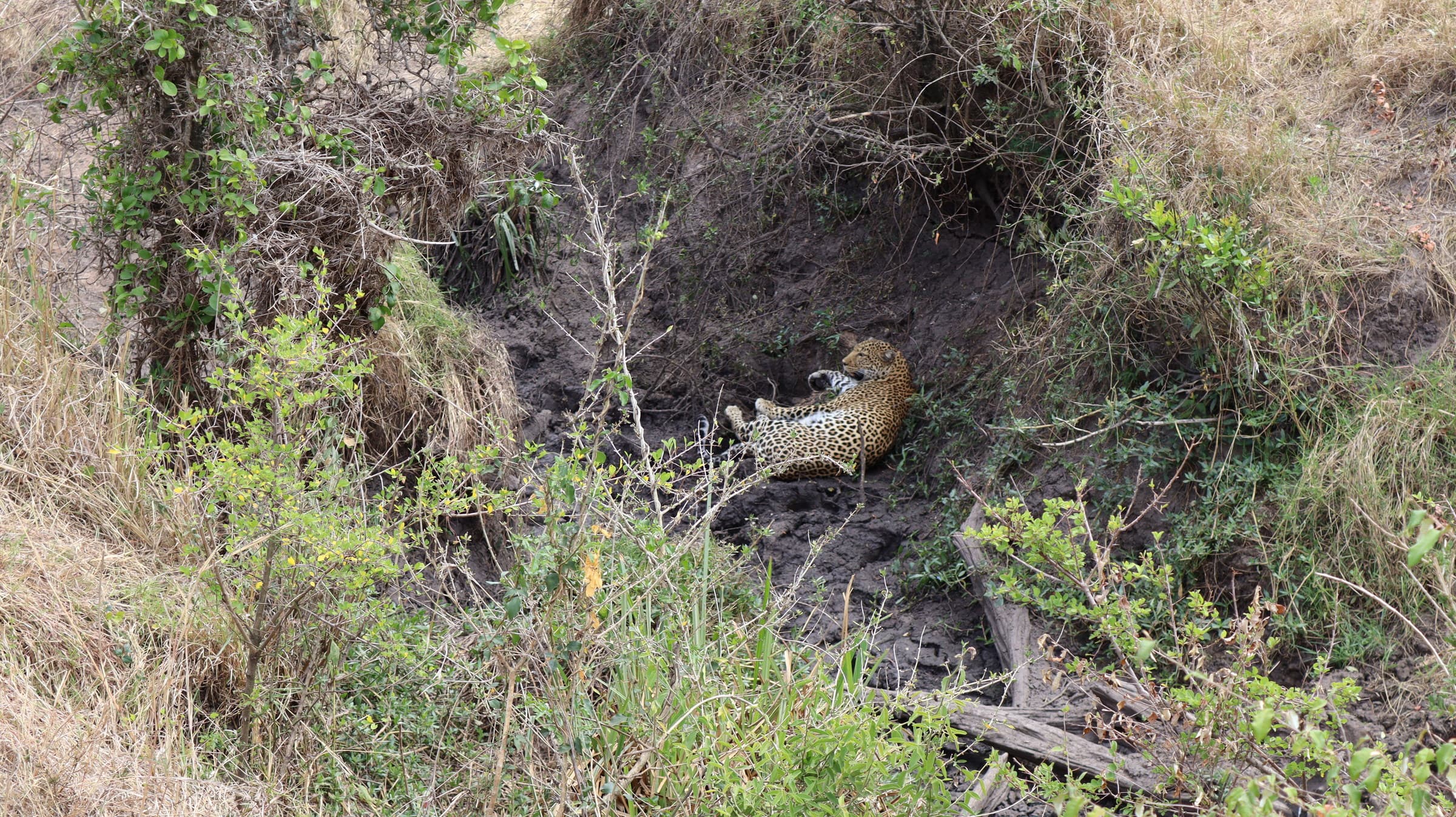
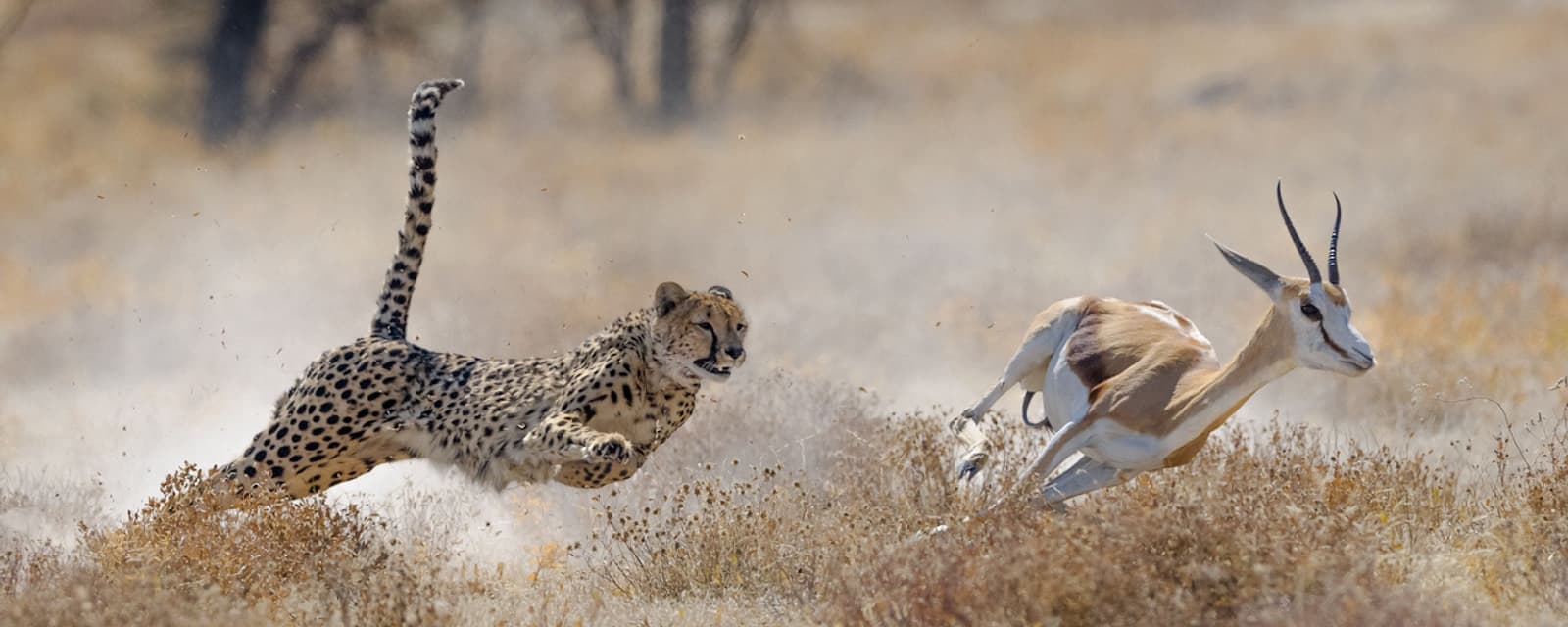
Today's route brings together Big cat photography and Eye-level positioning. Spend the day dedicated to big cats. Dawn departure when predators are most active and light is memorable. Track lions — position for dramatic eye-contact portraits and hunting sequences. Keep watch for leopards in trees along the Mara River — dappled light creates striking compositions. Cheetahs on open plains provide action photography. Vehicle positioned for clean backgrounds and eye-level shots. Afternoon behavioral shots — cubs playing, grooming, territorial displays.

  • Big cat photography
  • Eye-level positioning
  • Action shots

Expect the day to center on Mara River photography and Bird photography. Focus on the Mara River — hippos, crocodiles, and migration crossings (seasonal) that produce dramatic wildlife photography opportunities. Morning hippo portraits. Afternoon bird photography — 450+ species including lilac-breasted rollers and raptors in flight. Wide-angle landscapes capturing vast plains with wildlife, dramatic skies, and golden grass.

  • Mara River photography
  • Bird photography
  • Landscape compositions

Day 6 is built around Action shots and Radio-coordinated sightings. Spend the day targeting action and behavior photography — hunts, interactions, social dynamics. Morning session for remaining shots needed. Guide communicates via radio for best opportunities. Evening golden hour for portrait-style shots with warm backlight. Final image review and editing session — discuss composition, exposure, post-processing. Portfolio building.

  • Action shots
  • Radio-coordinated sightings
  • Portfolio building

The focus today is Final golden hour and Portfolio completion. Final pre-dawn departure for last golden hour — target remaining wish-list shots. The dawn light creates the most dramatic images. Following breakfast and final image review, drive to Nairobi. Set out from with hundreds of portfolio-worthy images and skills to improve every future wildlife photograph.

  • Final golden hour
  • Portfolio completion

What’s Included

  • Photography vehicle with beanbag supports
  • Expert photography guide
  • Max 4 photographers/vehicle
  • Window seats guaranteed
  • Park fees
  • 6 nights lodge
  • All meals
  • Extended golden hour drives
  • Image review sessions
  • Transfers

Not Included

  • Camera gear
  • Flights
  • Insurance
  • Tips
  • Drinks

Practical Planning Notes

Starting prices, accommodation and time-sensitive fees must be reconfirmed for your dates. Wildlife, migration conditions, weather and mountain summits cannot be guaranteed.

Who This Safari Suits

This itinerary is best suited to wildlife photographers who value field time, light, positioning and patient sightings.

Plan 7-Day Kenya Wildlife Photography Safari

Share your travel dates and group size. We’ll use this exact itinerary as the starting point for your enquiry.

Accommodation status

What this approved itinerary currently says

Photography-focused lodges

What to confirm before booking

If the itinerary does not name a property, the exact lodge or camp remains to be confirmed in the dated quotation. Ask for the property, room, meals, location, substitution terms and any child or accessibility rules.

Destination guides for this route

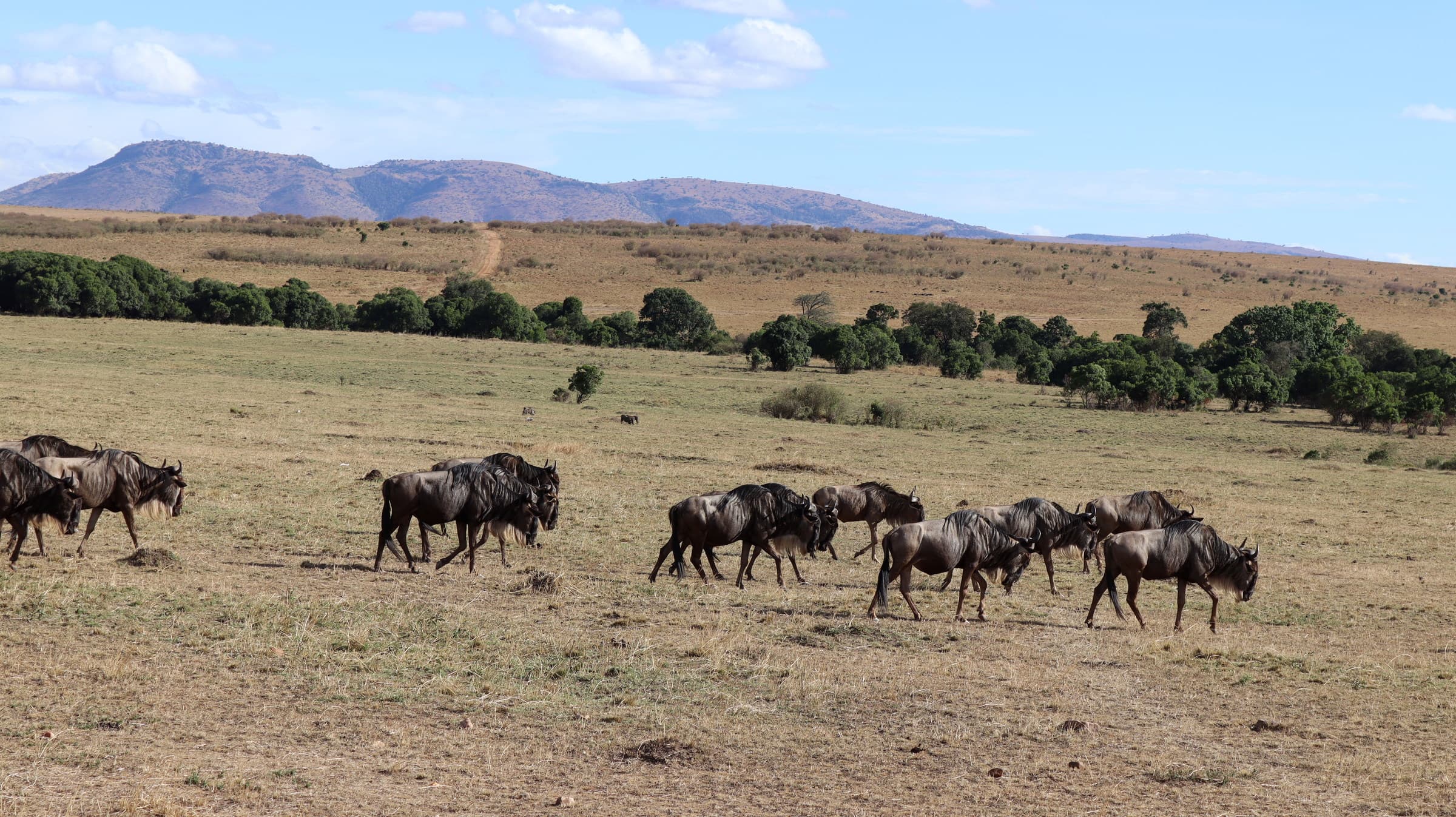
Wildebeest herd in open plains

kenya

Masai Mara National Reserve

The Masai Mara is a savannah reserve in south-west Kenya, connected ecologically to Tanzania's Serengeti. Travellers choose it for year-round game viewing, big-cat habitat and seasonal movement of wildebeest and zebra, but no particular sighting or river crossing can be guaranteed.

Read Masai Mara National Reserve
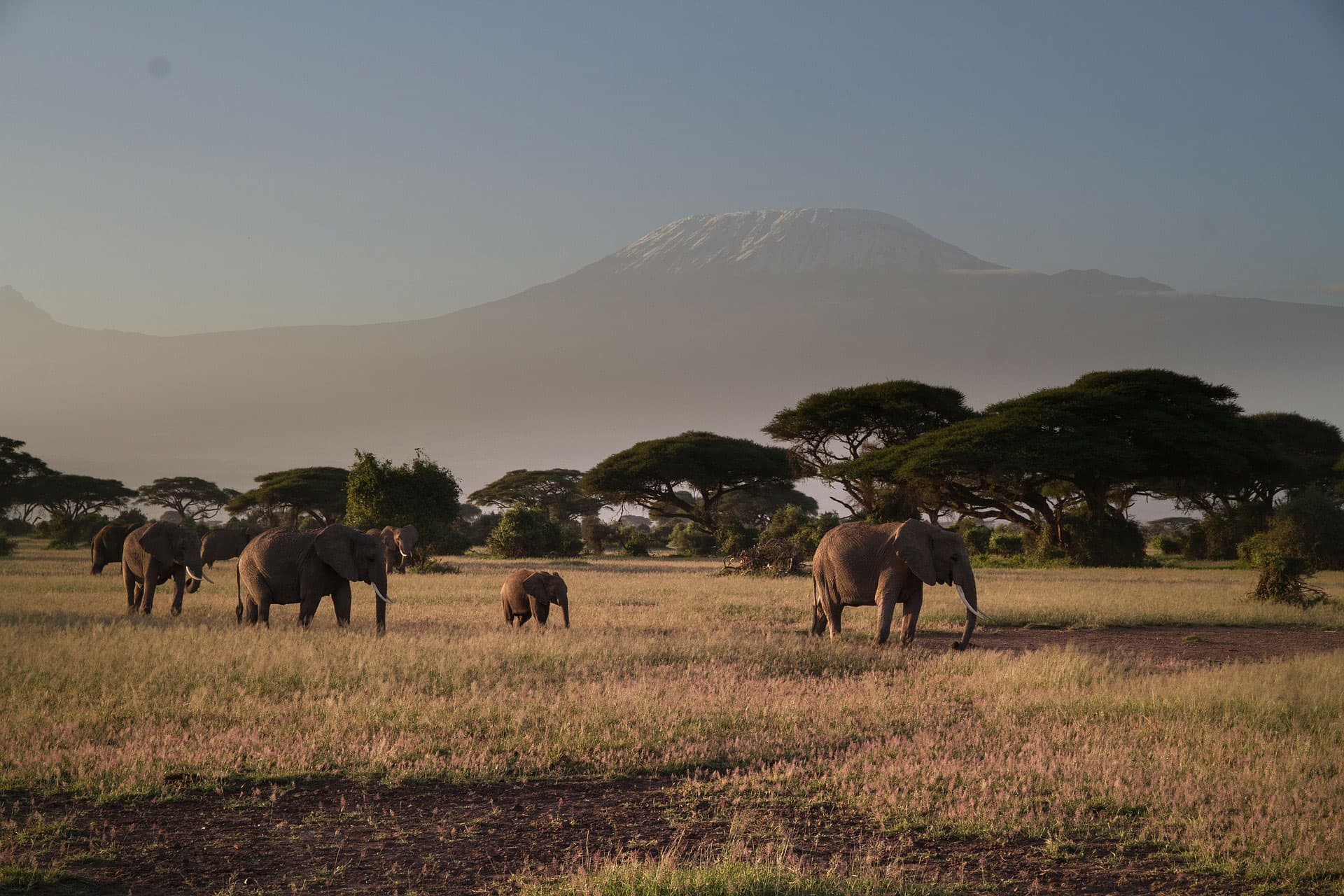
African elephants with Kilimanjaro beyond

kenya

Amboseli National Park

Amboseli is a southern Kenya national park known for elephants, wetlands fed by underground water and views toward Mount Kilimanjaro across the border in Tanzania. Clear mountain views depend on cloud and weather, so they should be treated as an opportunity rather than a promise.

Read Amboseli National Park

Wildlife you may encounter

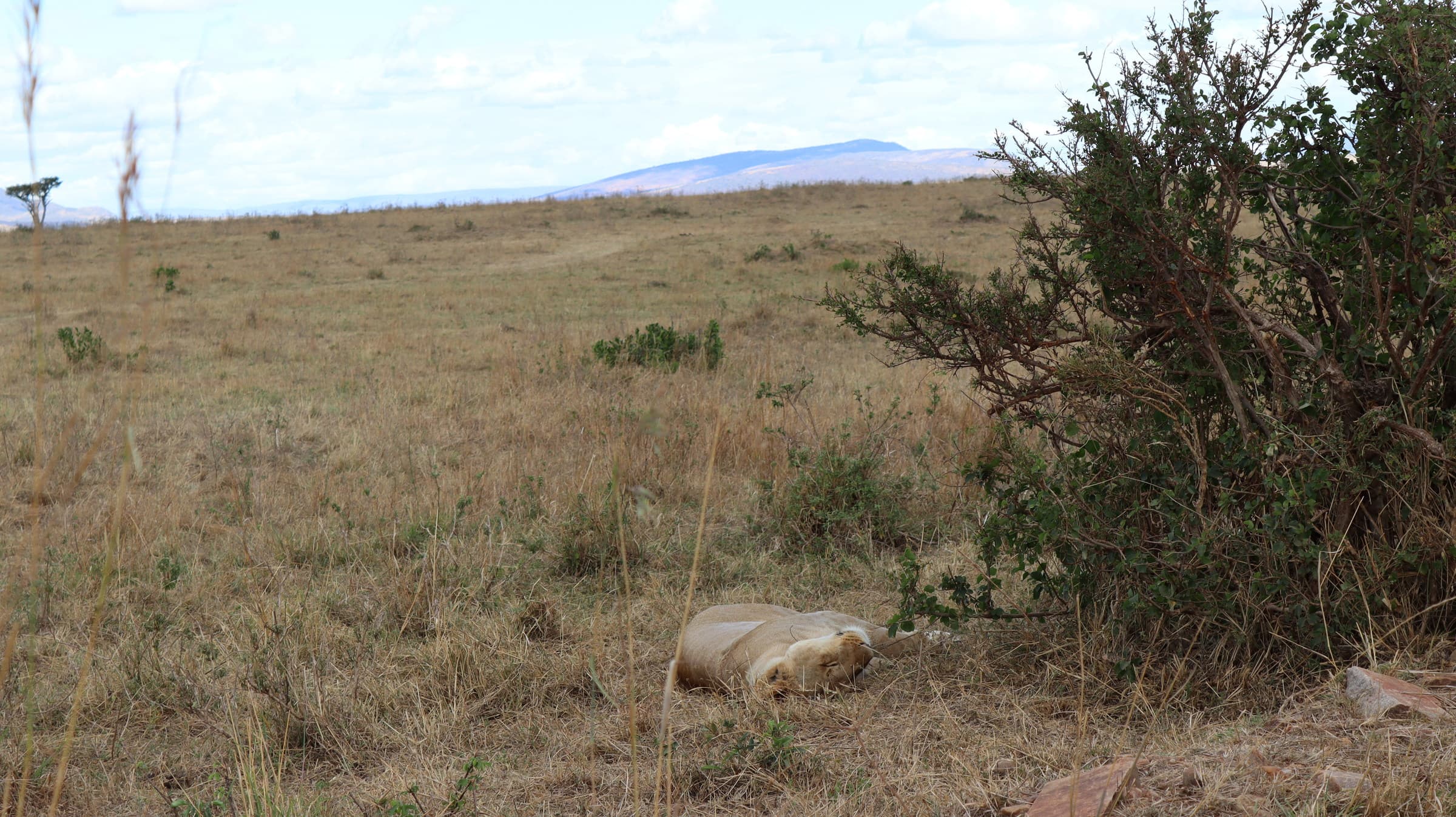
African lion resting in open grass

Opportunity, not a guarantee

African lion

The African lion is a social large cat of savannah, shrubland and woodland. East African parks can offer opportunities to observe prides or solitary animals, but activity, cover and territory make every sighting uncertain.

Read African lion
African savanna elephant family walking in grassland

Opportunity, not a guarantee

African savanna elephant

The African savanna elephant is a wide-ranging, highly social herbivore of open and wooded habitats. Family groups and bulls move across park boundaries and wildlife corridors, so their space and right of way are central to responsible viewing.

Read African savanna elephant
African leopard in natural habitat

Opportunity, not a guarantee

African leopard

The African leopard is a solitary, adaptable spotted cat that uses savannah, woodland, rocky country and forest. It can live near busy safari routes yet remain difficult to find because camouflage and cover are central to its behaviour.

Read African leopard
Cheetah in Masai Mara grassland

Opportunity, not a guarantee

Cheetah

The cheetah is a slender, speed-adapted cat associated with open grassland, savannah and shrubland. It is often active by day, but a safari cannot promise a chase or even a sighting.

Read Cheetah
Black rhinoceros cow and calf in open grassland

Opportunity, not a guarantee

Black rhinoceros

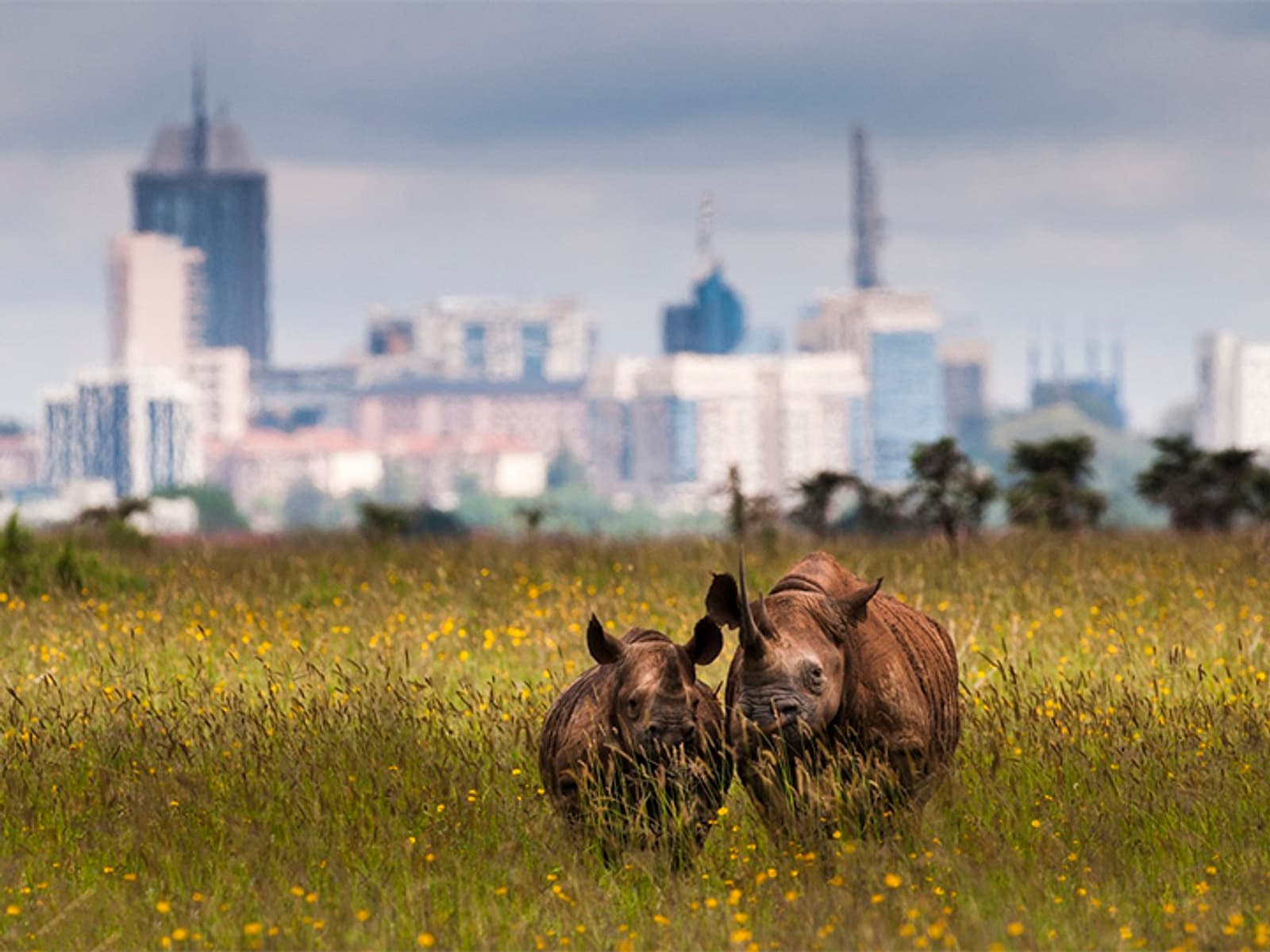
The black rhinoceros is a Critically Endangered browsing rhino with a hooked upper lip. East African populations are closely protected; exact locations should not be exposed and a safari should never promise a sighting.

Read Black rhinoceros
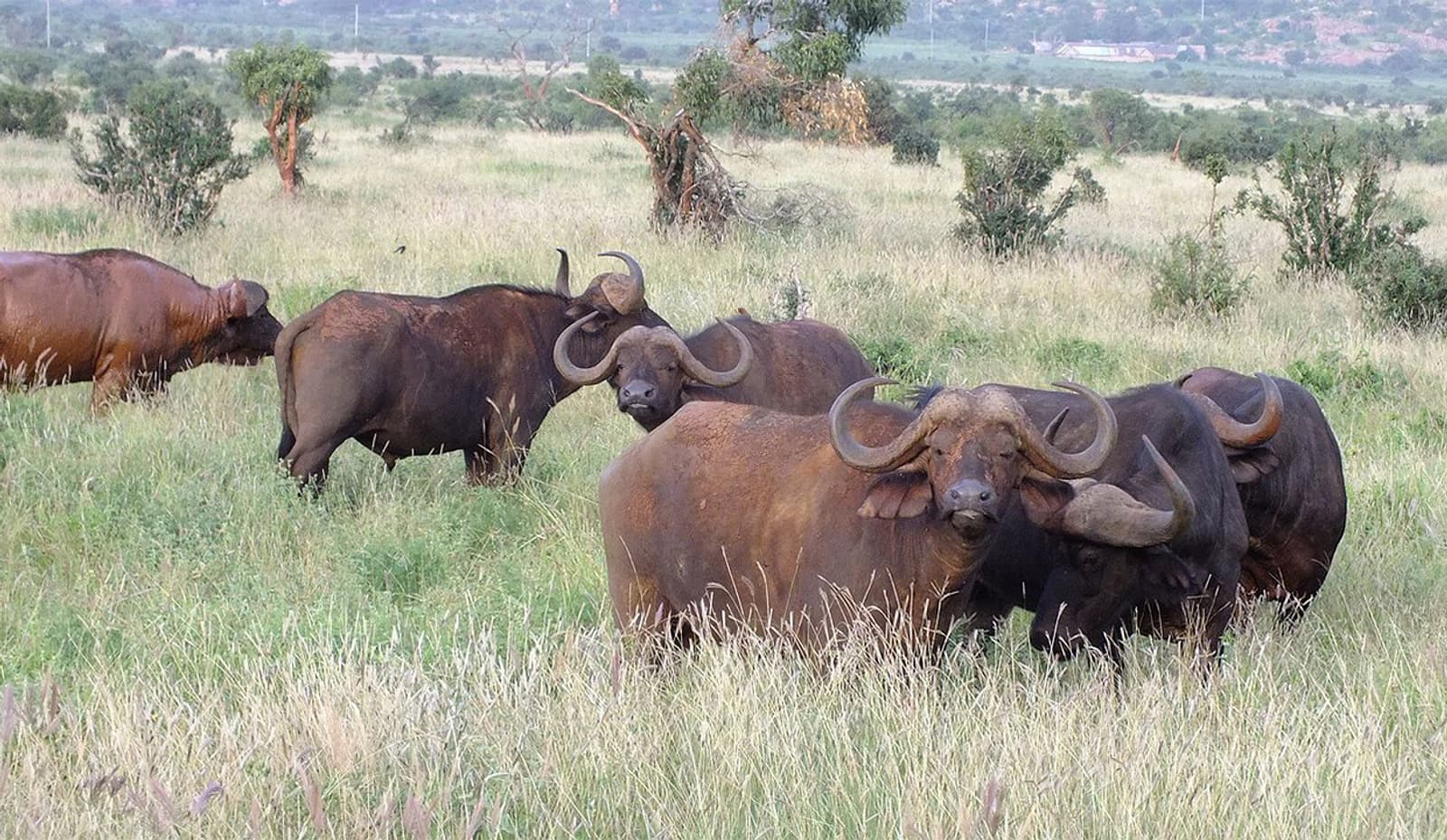
African buffalo in open grassland

Opportunity, not a guarantee

African buffalo

The African buffalo is a water-dependent, herd-forming bovid found in grassland, woodland and some forest systems. It is powerful and unpredictable at close range, so visitors should remain in authorized vehicles or guided areas.

Read African buffalo

Plan this route with context

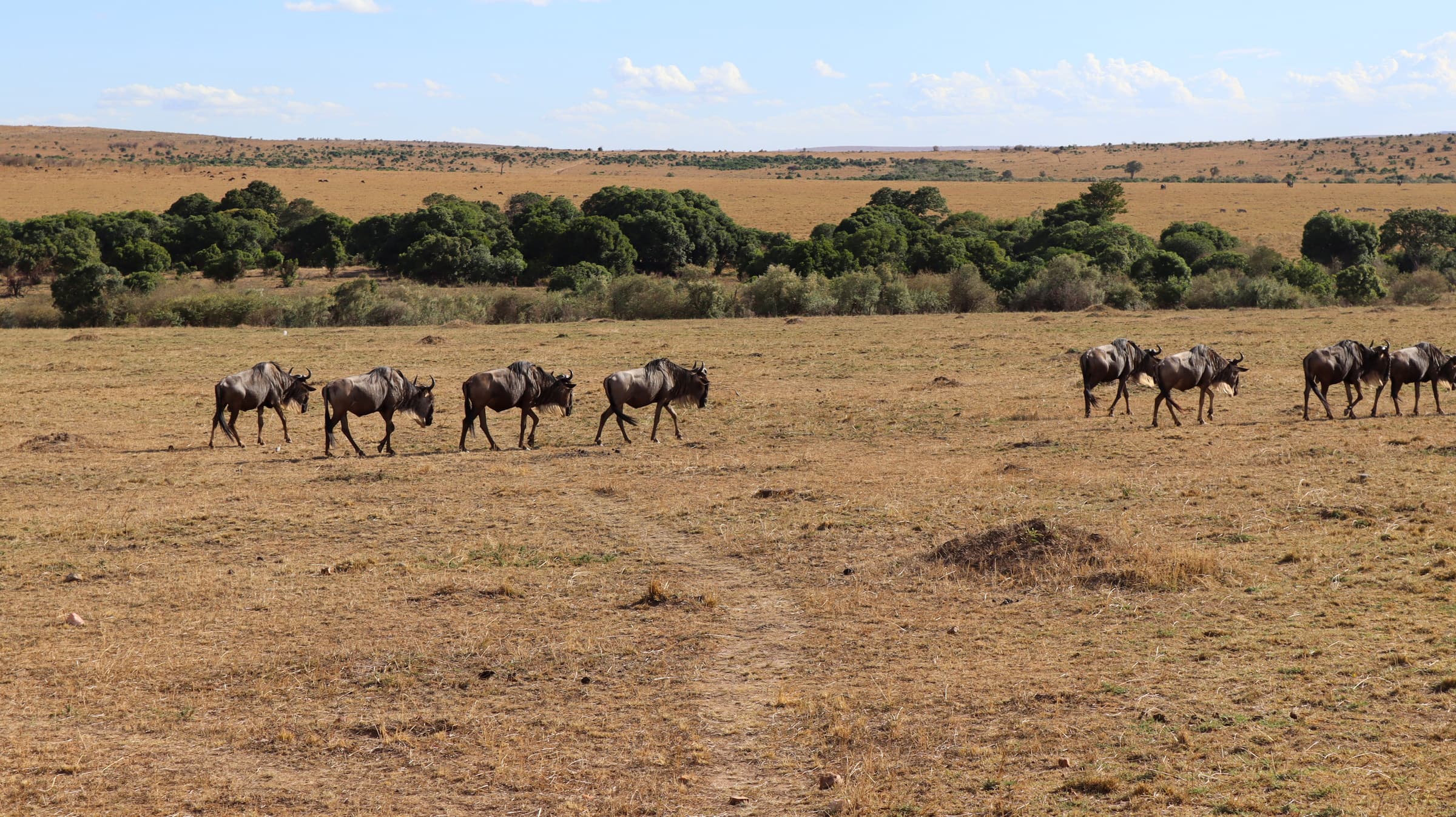
Wildebeest herd crossing open East African grassland

Travel guide

Kenya vs Tanzania Safari

Choose Kenya when you value a compact range of routes, Nairobi access and combinations such as the Masai Mara with Rift Valley or coast. Choose northern Tanzania when you want a broad Serengeti-Ngorongoro-Tarangire circuit. Choose both only when you have enough nights for border or flight logistics; neither country is a universal winner.

Read Kenya vs Tanzania Safari
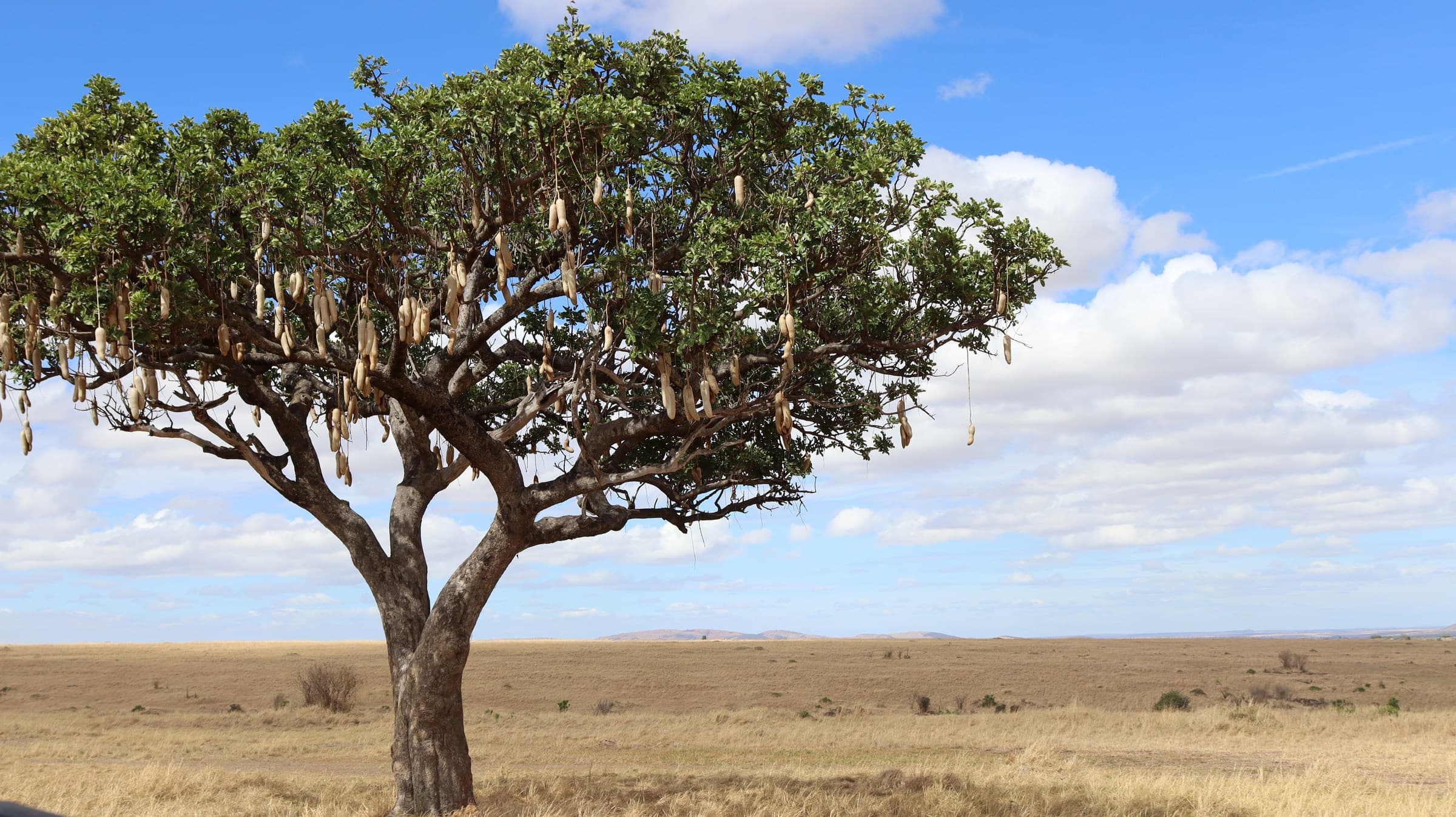
Acacia trees in open savannah

Travel guide

Best Time for an East Africa Safari

There is no single best month for all East Africa. Drier periods can concentrate some wildlife and improve road conditions; greener periods can bring birding, dramatic landscapes and lower demand. Migration, rain and gorilla trekking require destination-specific planning, not a fixed continent-wide calendar.

Read Best Time for an East Africa Safari
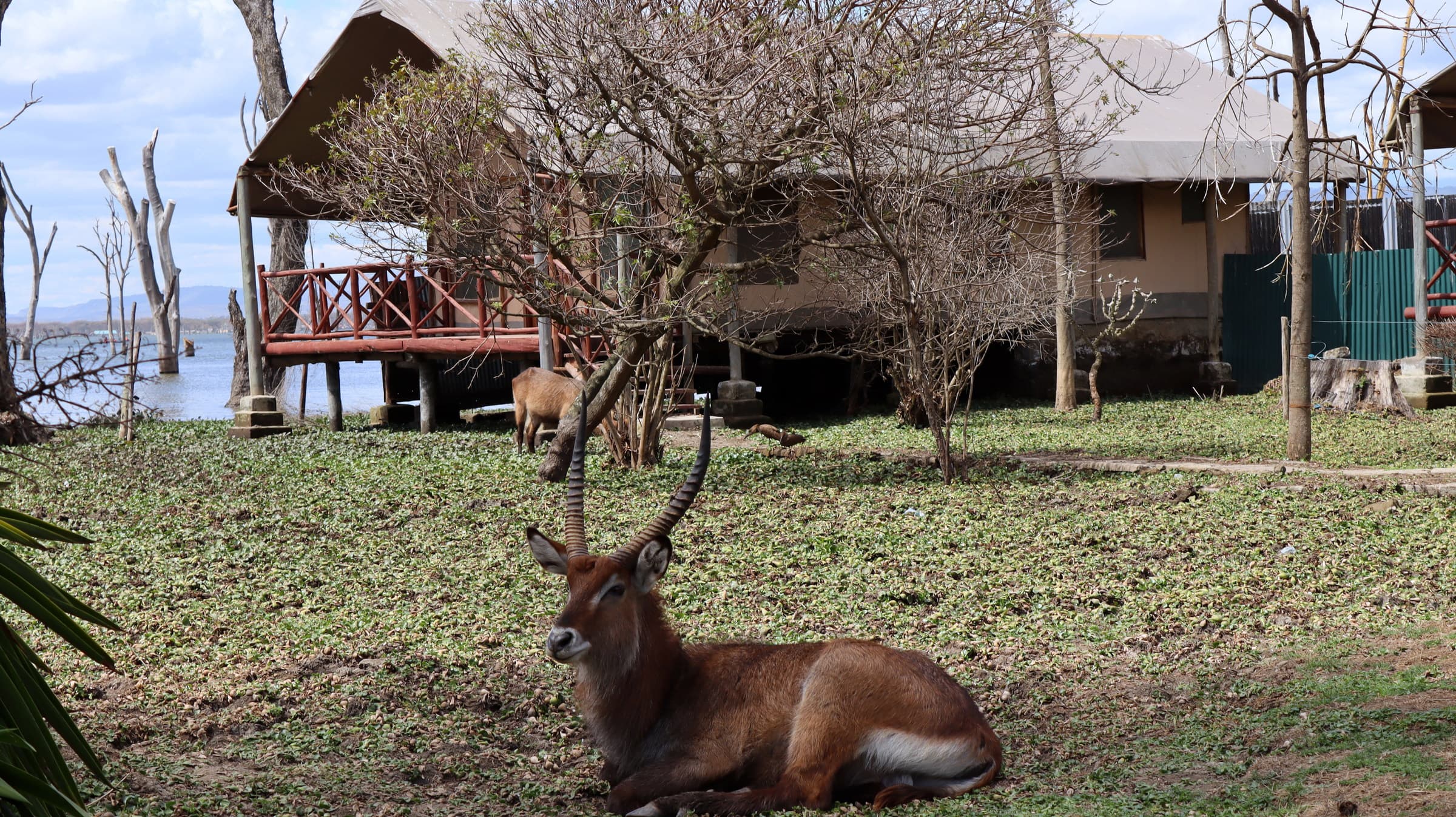
Permanent safari guest tent

Travel guide

Safari Accommodation Explained

Choose safari accommodation by exact property, location, room and operating details, not by the word lodge, camp or luxury alone. A permanent tented camp can have full en-suite rooms, while a lodge can be simple; category labels are not universal ratings.

Read Safari Accommodation Explained