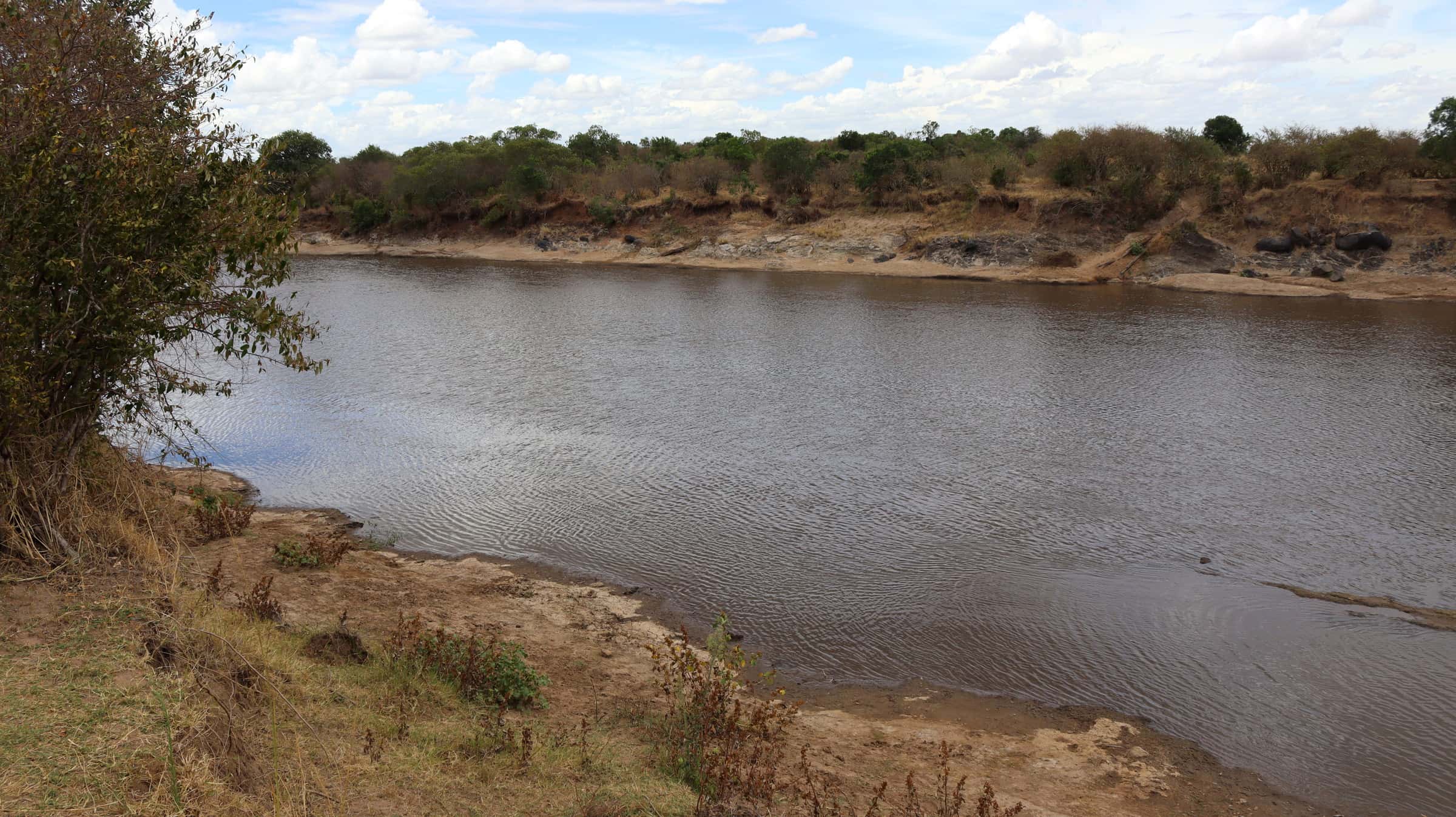
River-edge and grassland habitat

Wildlife profile

White rhinoceros

The white rhinoceros is a broad-lipped grazing rhino. Kenya's managed populations represent assisted range rather than the species' indigenous historic range, an important distinction when describing conservation and safari opportunities.

At a glance

Scientific name
Ceratotherium simum
IUCN status
Near Threatened
Diet
Grazer
Identification
Broad, square upper lip

Field principle

  • Near Threatened; global population trend decreasing (IUCN assessment)
  • Presence is not a sighting guarantee
  • Local rules govern vehicle position and distance
  • Global status is not the same as local abundance

How to identify it

The wide, square mouth is adapted for grazing. White rhinos are often larger and hold the head lower than black rhinos, but guides use several features together.

Behaviour and social life

Females can be seen with calves, and loose associations occur. Like any large wild animal, an individual needs distance and an unobstructed route.

Diet

White rhinos feed mainly on grasses, which influences their low head posture and use of open habitat.

Habitat and East African context

Grassland and open woodland can support grazing. In Kenya, the conservation history is managed and should not be described as an unchanged natural distribution.

Responsible viewing

A good encounter gives the animal control of distance and movement.

  • Never block movement between a rhino and cover or water.
  • Avoid publishing precise live locations.
  • Follow sanctuary or park-specific instructions.

Photography considerations

Use technique and patience to protect the sighting rather than asking the guide to create an unnatural scene.

  • A side view can show the broad lip and low grazing posture.
  • Keep distance rather than relying on a wide-angle lens.
  • Remove sensitive location metadata before sharing.

Where you may encounter this species

kenya

Lake Nakuru National Park

Lake Nakuru National Park protects a Rift Valley lake and surrounding woodland, grassland and rocky escarpment. It is frequently included for rhino conservation and birdlife; flamingo numbers change with lake conditions and should never be promised.

Read Lake Nakuru National Park

kenya

Nairobi National Park

Nairobi National Park is a protected savannah ecosystem beside Kenya's capital. It can add a genuine game drive to an arrival, departure or city stay, but airport traffic and park hours must be planned rather than assumed.

Read Nairobi National Park

Approved package facts are preserved; wildlife remains an opportunity, never a guarantee.

Compare more routes

Related wildlife

Critically Endangered (IUCN assessment)

Black rhinoceros

The black rhinoceros is a Critically Endangered browsing rhino with a hooked upper lip. East African populations are closely protected; exact locations should not be exposed and a safari should never promise a sighting.

Read Black rhinoceros

Near Threatened

African buffalo

The African buffalo is a water-dependent, herd-forming bovid found in grassland, woodland and some forest systems. It is powerful and unpredictable at close range, so visitors should remain in authorized vehicles or guided areas.

Read African buffalo

Common traveller questions

Is the white rhino white?

No. The name does not describe its colour; the broad grazing mouth is the clearest field distinction from a black rhino.

Is the northern white rhino the same?

Northern and southern white rhinos are distinct subspecies. A generic white-rhino sighting claim should not imply the northern subspecies.

Sources and fact checking

Facts checked: 2026-11-05

Official and conservation sources support the factual claims below. Time-sensitive fees, rules and conditions must be rechecked before travel.

  1. Lake Nakuru National Park — Kenya Wildlife Service. Supports: park status, rhino sanctuary context, habitats, changing birdlife.
  2. Nairobi National Park — Kenya Wildlife Service. Supports: park status, visitor rules, habitats, wildlife context.
  3. White Rhinoceros Red List Assessment — IUCN Red List. Supports: taxonomy, Near Threatened status, grazing ecology, assisted range in Kenya.

See our editorial standards and corrections policy.