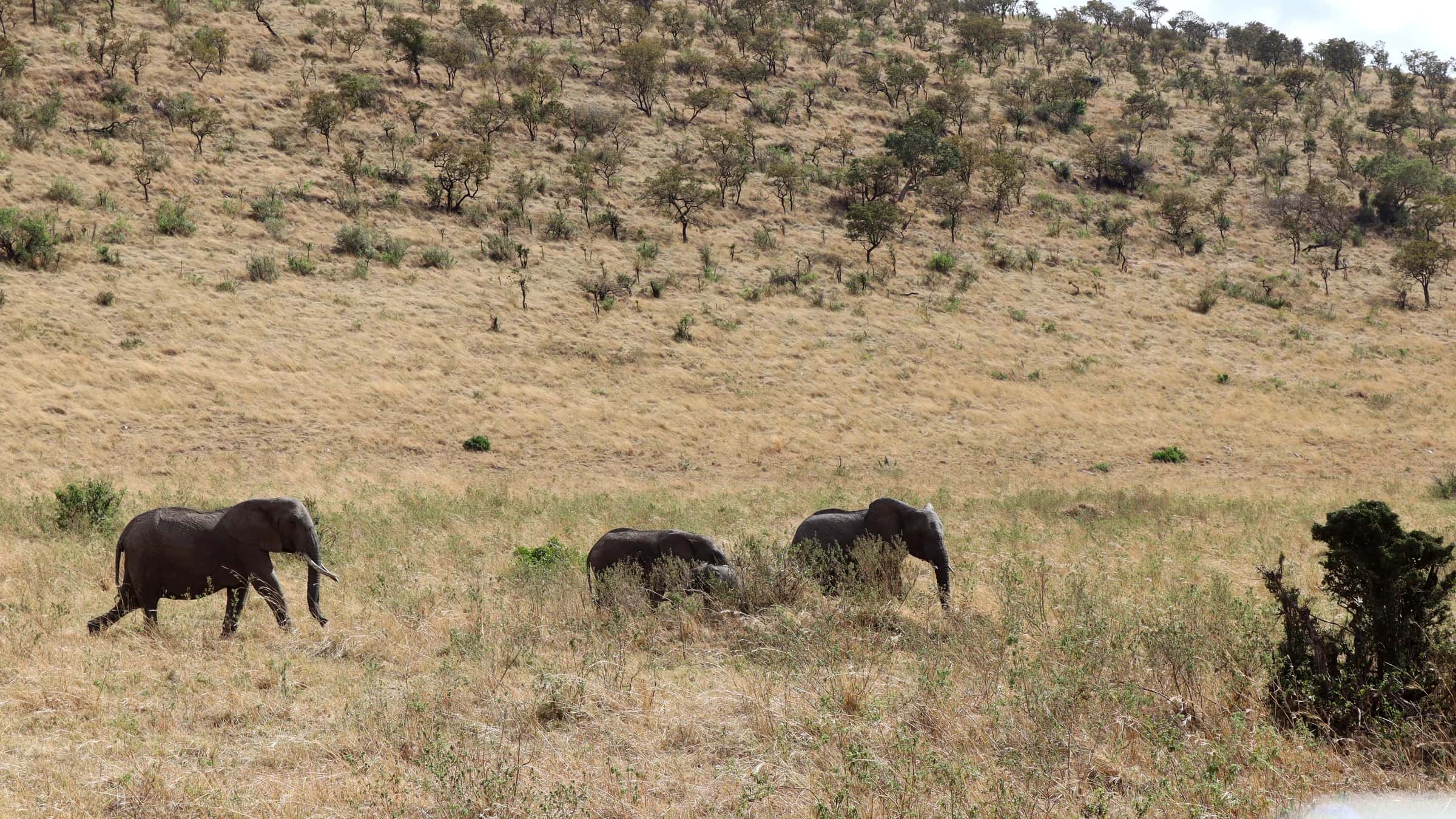
African wildlife in open East African grassland

Wildlife authority hub

East Africa wildlife

Identify the animals behind safari names, understand where source-backed opportunities occur and learn how better viewing protects wildlife. Presence is never a sighting guarantee.

How to use this wildlife guide

  • Connect species to parks where official evidence supports presence
  • Separate global conservation status from local abundance
  • Compare similar species without relying on myths
  • Plan photography around distance, rules and animal welfare

No sighting guarantees

Wild animals move according to food, water, territory, breeding, weather and disturbance. A park relationship means a species is documented there or in the stated wider ecosystem; it does not mean every visitor will see it.

Exact rhino locations and other sensitive live information are deliberately omitted. Authority rules and a qualified guide always take priority over a photograph or checklist.

Vulnerable

African lion

The African lion is a social large cat of savannah, shrubland and woodland. East African parks can offer opportunities to observe prides or solitary animals, but activity, cover and territory make every sighting uncertain.

Read African lion

Endangered

African savanna elephant

The African savanna elephant is a wide-ranging, highly social herbivore of open and wooded habitats. Family groups and bulls move across park boundaries and wildlife corridors, so their space and right of way are central to responsible viewing.

Read African savanna elephant

Vulnerable

African leopard

The African leopard is a solitary, adaptable spotted cat that uses savannah, woodland, rocky country and forest. It can live near busy safari routes yet remain difficult to find because camouflage and cover are central to its behaviour.

Read African leopard

Vulnerable

Cheetah

The cheetah is a slender, speed-adapted cat associated with open grassland, savannah and shrubland. It is often active by day, but a safari cannot promise a chase or even a sighting.

Read Cheetah

Critically Endangered (IUCN assessment)

Black rhinoceros

The black rhinoceros is a Critically Endangered browsing rhino with a hooked upper lip. East African populations are closely protected; exact locations should not be exposed and a safari should never promise a sighting.

Read Black rhinoceros

Near Threatened

White rhinoceros

The white rhinoceros is a broad-lipped grazing rhino. Kenya's managed populations represent assisted range rather than the species' indigenous historic range, an important distinction when describing conservation and safari opportunities.

Read White rhinoceros

Near Threatened

African buffalo

The African buffalo is a water-dependent, herd-forming bovid found in grassland, woodland and some forest systems. It is powerful and unpredictable at close range, so visitors should remain in authorized vehicles or guided areas.

Read African buffalo

Legacy subspecies assessment: Endangered

Masai giraffe

The Masai giraffe is an East African giraffe lineage now recognized as Giraffa tippelskirchi under the 2025 IUCN SSC taxonomy update. Its irregular, vine-like patches help distinguish it, but generic giraffe records should not be assigned to this species without evidence.

Read Masai giraffe

Least Concern in the current global assessment

Common wildebeest

The common or blue wildebeest is a herd-forming grazer. In the Mara-Serengeti ecosystem, very large herds move seasonally in response to rain, grazing and water; the movement is continuous and variable rather than a single event on fixed dates.

Read Common wildebeest

Vulnerable (IUCN assessment)

Hippopotamus

The hippopotamus is a large semi-aquatic mammal that rests in water or mud by day and usually grazes on land after dark. Its apparent stillness should never be mistaken for safety; hippos require substantial distance on shore and water.

Read Hippopotamus

Endangered

Mountain gorilla

The mountain gorilla is an Endangered great ape restricted to Bwindi and the Virunga massif. Regulated tracking can support conservation and local economies, but strict health, distance, time and group-size rules protect a small, disease-sensitive population.

Read Mountain gorilla

Endangered

Chimpanzee

The chimpanzee is an Endangered, socially complex great ape of African forests and woodland mosaics. Uganda offers regulated chimpanzee tracking in selected sites; ecological presence in a forest does not automatically mean a visitor tracking programme exists there.

Read Chimpanzee