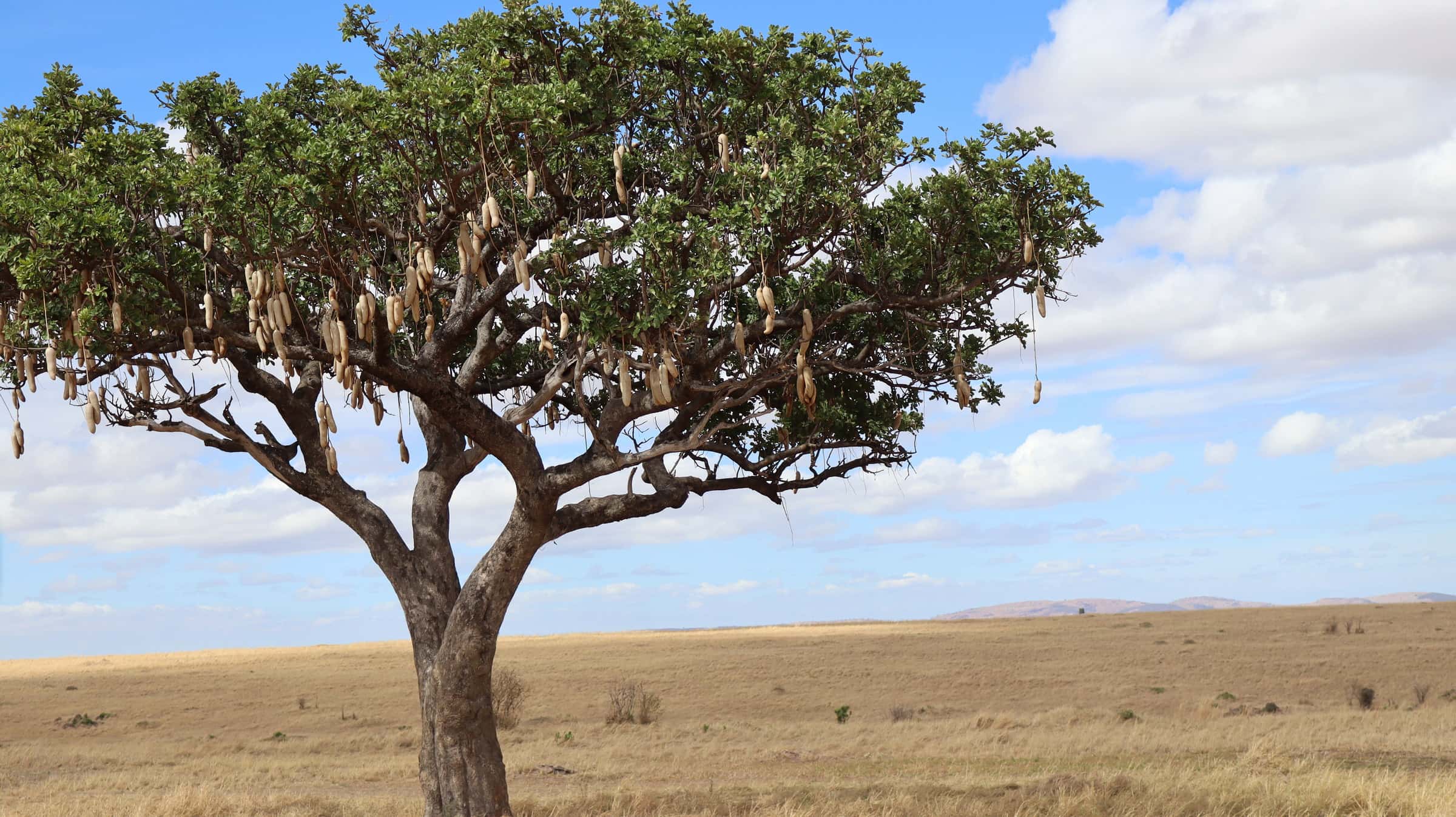
Open acacia and grassland habitat

Wildlife profile

Black rhinoceros

The black rhinoceros is a Critically Endangered browsing rhino with a hooked upper lip. East African populations are closely protected; exact locations should not be exposed and a safari should never promise a sighting.

At a glance

Scientific name
Diceros bicornis
IUCN status
Critically Endangered
Diet
Browser: leaves, twigs and woody plants
Identification
Hooked, prehensile upper lip

Field principle

  • Critically Endangered (IUCN assessment)
  • Presence is not a sighting guarantee
  • Local rules govern vehicle position and distance
  • Global status is not the same as local abundance

How to identify it

The hooked upper lip is adapted for browsing. Body colour is not a reliable way to distinguish black and white rhinos; dust and mud change appearance.

Behaviour and social life

Black rhinos are often solitary and can use dense scrub. Vision is limited compared with hearing and smell, making calm positioning and space important.

Diet

They browse woody vegetation rather than relying primarily on grass. Feeding signs and habitat can help a guide interpret where an animal might move without revealing sensitive details.

Habitat and East African context

They use varied habitats including bushland and woodland. Protection, monitoring and secure movement space remain important because populations are small and fragmented.

Responsible viewing

A good encounter gives the animal control of distance and movement.

  • Never publish a precise live location.
  • Keep voices and sudden movement low around a resting or feeding rhino.
  • Obey all ranger and route restrictions without exception.

Photography considerations

Use technique and patience to protect the sighting rather than asking the guide to create an unnatural scene.

  • Use a long lens; many responsible sightings are distant.
  • Show the habitat rather than pushing for a tight frame.
  • Do not share location metadata from sensitive sightings.

Where you may encounter this species

kenya

Masai Mara National Reserve

The Masai Mara is a savannah reserve in south-west Kenya, connected ecologically to Tanzania's Serengeti. Travellers choose it for year-round game viewing, big-cat habitat and seasonal movement of wildebeest and zebra, but no particular sighting or river crossing can be guaranteed.

Read Masai Mara National Reserve

kenya

Lake Nakuru National Park

Lake Nakuru National Park protects a Rift Valley lake and surrounding woodland, grassland and rocky escarpment. It is frequently included for rhino conservation and birdlife; flamingo numbers change with lake conditions and should never be promised.

Read Lake Nakuru National Park

kenya

Nairobi National Park

Nairobi National Park is a protected savannah ecosystem beside Kenya's capital. It can add a genuine game drive to an arrival, departure or city stay, but airport traffic and park hours must be planned rather than assumed.

Read Nairobi National Park

tanzania

Serengeti National Park

The Serengeti is a vast northern Tanzania national park within the wider Mara-Serengeti ecosystem. Wildlife viewing is possible year-round, while the location and pace of migratory herds change with rain, grazing and calving cycles.

Read Serengeti National Park

tanzania

Ngorongoro Conservation Area

The Ngorongoro Conservation Area is a multi-use protected landscape in northern Tanzania, best known to visitors for the Ngorongoro Crater. A crater game drive can offer concentrated wildlife viewing, while access, descent timing and current authority rules shape the day.

Read Ngorongoro Conservation Area

Approved package facts are preserved; wildlife remains an opportunity, never a guarantee.

Compare more routes

Related wildlife

Near Threatened

White rhinoceros

The white rhinoceros is a broad-lipped grazing rhino. Kenya's managed populations represent assisted range rather than the species' indigenous historic range, an important distinction when describing conservation and safari opportunities.

Read White rhinoceros

Near Threatened

African buffalo

The African buffalo is a water-dependent, herd-forming bovid found in grassland, woodland and some forest systems. It is powerful and unpredictable at close range, so visitors should remain in authorized vehicles or guided areas.

Read African buffalo

Common traveller questions

Is a black rhino black?

No. Colour is not the reliable distinction. The hooked browsing lip, body form and context are more useful.

Why are exact rhino locations omitted?

Location sensitivity is part of responsible conservation communication for a species threatened by poaching.

Sources and fact checking

Facts checked: 2026-11-05

Official and conservation sources support the factual claims below. Time-sensitive fees, rules and conditions must be rechecked before travel.

  1. Lake Nakuru National Park — Kenya Wildlife Service. Supports: park status, rhino sanctuary context, habitats, changing birdlife.
  2. Ngorongoro Conservation Area Authority — Ngorongoro Conservation Area Authority. Supports: conservation-area status, landscape scope, authority context.
  3. Black Rhinoceros Red List Assessment — IUCN Red List. Supports: taxonomy, Critically Endangered status, browsing ecology, threats.

See our editorial standards and corrections policy.