
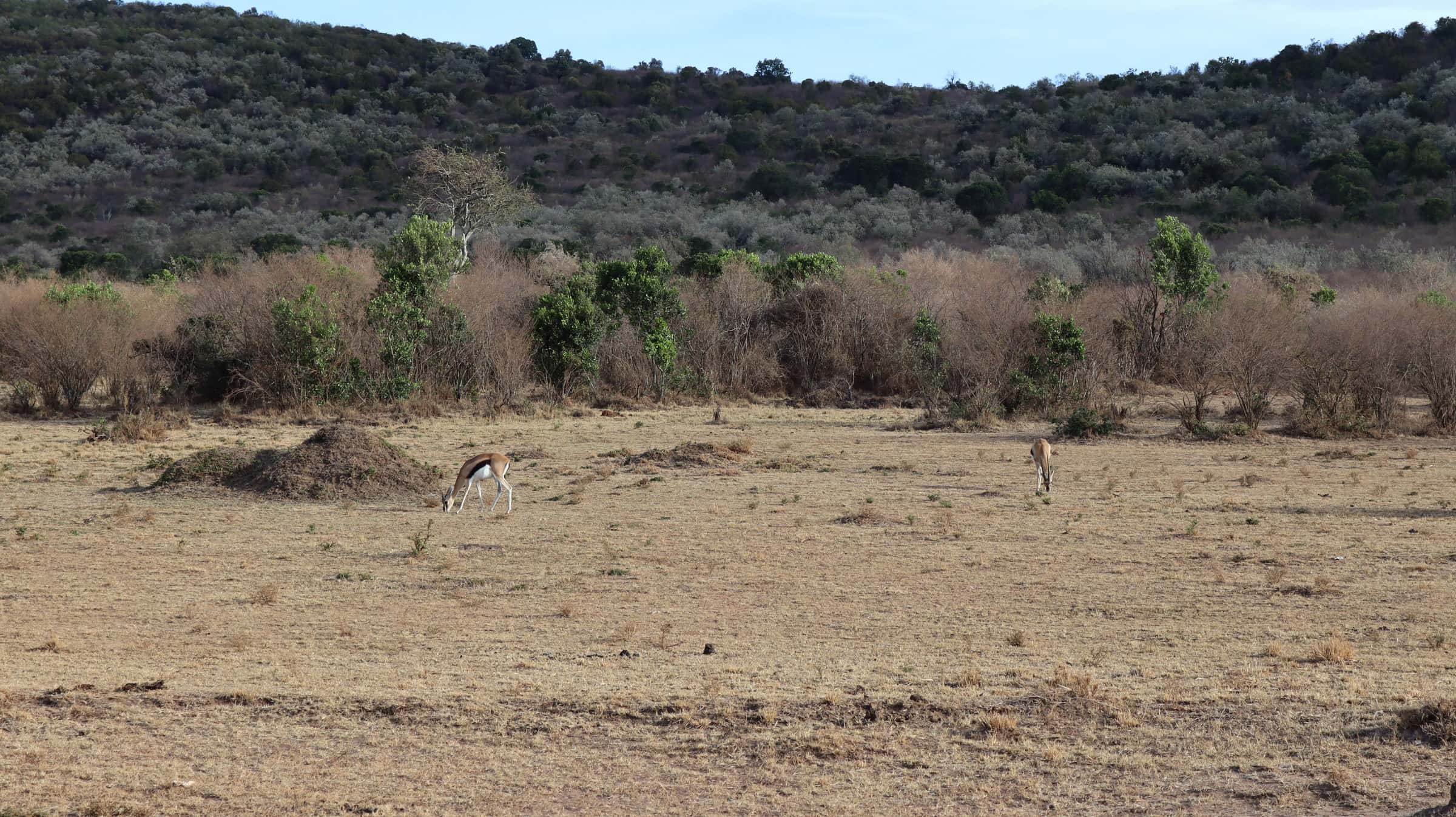
Broad East African savannah

Tanzania destination guide

Serengeti National Park

The Serengeti is a vast northern Tanzania national park within the wider Mara-Serengeti ecosystem. Wildlife viewing is possible year-round, while the location and pace of migratory herds change with rain, grazing and calving cycles.

At a glance

Country
Tanzania
Landscape
Short- and long-grass plains, kopjes, woodland and rivers
Known for
Large savannah ecosystem and migratory grazers
Route fit
Ngorongoro, northern circuit and Kenya combinations

Why it matters

  • Large-scale wildlife landscapes
  • Different regions rewarding at different times
  • Predator and plains-game habitat
  • Road and fly-in itinerary options

Choose a region, not just a park name

The Serengeti is too large to treat as a single viewing area. Central, western, northern and southern ecosystem zones have different road networks, habitats and seasonal strengths.

Migration planning is an informed probability, not an appointment. Rainfall can shift herd movement, and dramatic river crossings are brief natural events that no ethical operator can promise.

Time and route design

Long distances mean that a rushed circuit can spend too much of the day in transit. More nights can support unhurried drives and reduce the pressure to chase a specific sighting.

Northern-circuit routes often connect through Ngorongoro and may include Tarangire or Lake Manyara. Kenya combinations can use a land border or flight arrangement; confirm the exact vehicle handoff and baggage limits.

Stays and responsible viewing

Permanent lodges, permanent tented camps and seasonal camps create different trade-offs in location, facilities and cost. The word luxury is not a standard; compare the actual room, bathroom, power, meals and transfer plan.

Stay on authorized routes, keep noise low and follow TANAPA instructions. Drone, filming and off-road permissions are regulated and should never be assumed from social-media footage.

Wildlife you may encounter

Vulnerable

African lion

The African lion is a social large cat of savannah, shrubland and woodland. East African parks can offer opportunities to observe prides or solitary animals, but activity, cover and territory make every sighting uncertain.

Read African lion

Endangered

African savanna elephant

The African savanna elephant is a wide-ranging, highly social herbivore of open and wooded habitats. Family groups and bulls move across park boundaries and wildlife corridors, so their space and right of way are central to responsible viewing.

Read African savanna elephant

Vulnerable

African leopard

The African leopard is a solitary, adaptable spotted cat that uses savannah, woodland, rocky country and forest. It can live near busy safari routes yet remain difficult to find because camouflage and cover are central to its behaviour.

Read African leopard

Vulnerable

Cheetah

The cheetah is a slender, speed-adapted cat associated with open grassland, savannah and shrubland. It is often active by day, but a safari cannot promise a chase or even a sighting.

Read Cheetah

Critically Endangered (IUCN assessment)

Black rhinoceros

The black rhinoceros is a Critically Endangered browsing rhino with a hooked upper lip. East African populations are closely protected; exact locations should not be exposed and a safari should never promise a sighting.

Read Black rhinoceros

Near Threatened

African buffalo

The African buffalo is a water-dependent, herd-forming bovid found in grassland, woodland and some forest systems. It is powerful and unpredictable at close range, so visitors should remain in authorized vehicles or guided areas.

Read African buffalo

Legacy subspecies assessment: Endangered

Masai giraffe

The Masai giraffe is an East African giraffe lineage now recognized as Giraffa tippelskirchi under the 2025 IUCN SSC taxonomy update. Its irregular, vine-like patches help distinguish it, but generic giraffe records should not be assigned to this species without evidence.

Read Masai giraffe

Least Concern in the current global assessment

Common wildebeest

The common or blue wildebeest is a herd-forming grazer. In the Mara-Serengeti ecosystem, very large herds move seasonally in response to rain, grazing and water; the movement is continuous and variable rather than a single event on fixed dates.

Read Common wildebeest

Approved package facts are preserved; wildlife remains an opportunity, never a guarantee.

Compare more routes

Planning guides

Travel guide

Kenya vs Tanzania Safari

Choose Kenya when you value a compact range of routes, Nairobi access and combinations such as the Masai Mara with Rift Valley or coast. Choose northern Tanzania when you want a broad Serengeti-Ngorongoro-Tarangire circuit. Choose both only when you have enough nights for border or flight logistics; neither country is a universal winner.

Read Kenya vs Tanzania Safari

Travel guide

Best Time for an East Africa Safari

There is no single best month for all East Africa. Drier periods can concentrate some wildlife and improve road conditions; greener periods can bring birding, dramatic landscapes and lower demand. Migration, rain and gorilla trekking require destination-specific planning, not a fixed continent-wide calendar.

Read Best Time for an East Africa Safari

Travel guide

Kenya and Tanzania Safari Planning

A Kenya-Tanzania safari works best when the route minimizes backtracking and makes the border or flight day explicit. Confirm whether vehicles and guides change, where luggage is handed over, which entry authorization applies and whether your international flights use Nairobi, Kilimanjaro, Zanzibar or another gateway.

Read Kenya and Tanzania Safari Planning

More Tanzania destinations

Ngorongoro Conservation Area

The Ngorongoro Conservation Area is a multi-use protected landscape in northern Tanzania, best known to visitors for the Ngorongoro Crater. A crater game drive can offer concentrated wildlife viewing, while access, descent timing and current authority rules shape the day.

Read Ngorongoro Conservation Area

Tarangire National Park

Tarangire is a northern Tanzania national park shaped by the Tarangire River, seasonal wetlands, woodland and baobabs. It is especially valued for elephant habitat and a landscape that contrasts with the Serengeti plains.

Read Tarangire National Park

Common traveller questions

Which Serengeti region is best?

It depends on the month, your route, time available and priorities. Central areas can be productive year-round; other zones become especially relevant for seasonal herd movement.

Are migration river crossings guaranteed?

No. Herd decisions, rain and river conditions are unpredictable, and a crossing may happen before or after a vehicle arrives.

How many nights do I need?

Three or more nights often create a better pace, but the best answer depends on the entry point, region and whether the route includes Ngorongoro or Kenya.

Sources and fact checking

Facts checked: 2026-11-05

Official and conservation sources support the factual claims below. Time-sensitive fees, rules and conditions must be rechecked before travel.

  1. Serengeti National Park — Tanzania National Parks. Supports: park status, habitats, wildlife, migration variability.
  2. Plan a Trip — Tanzania National Parks. Supports: visitor planning, park-rule context, official current information.
  3. Climate and Weather Services — Tanzania Meteorological Authority. Supports: weather uncertainty, current forecast source, seasonal-planning context.

See our editorial standards and corrections policy.

Prepared by the Safaris Adventure Bookers travel editorial team. No wildlife sighting is guaranteed.