
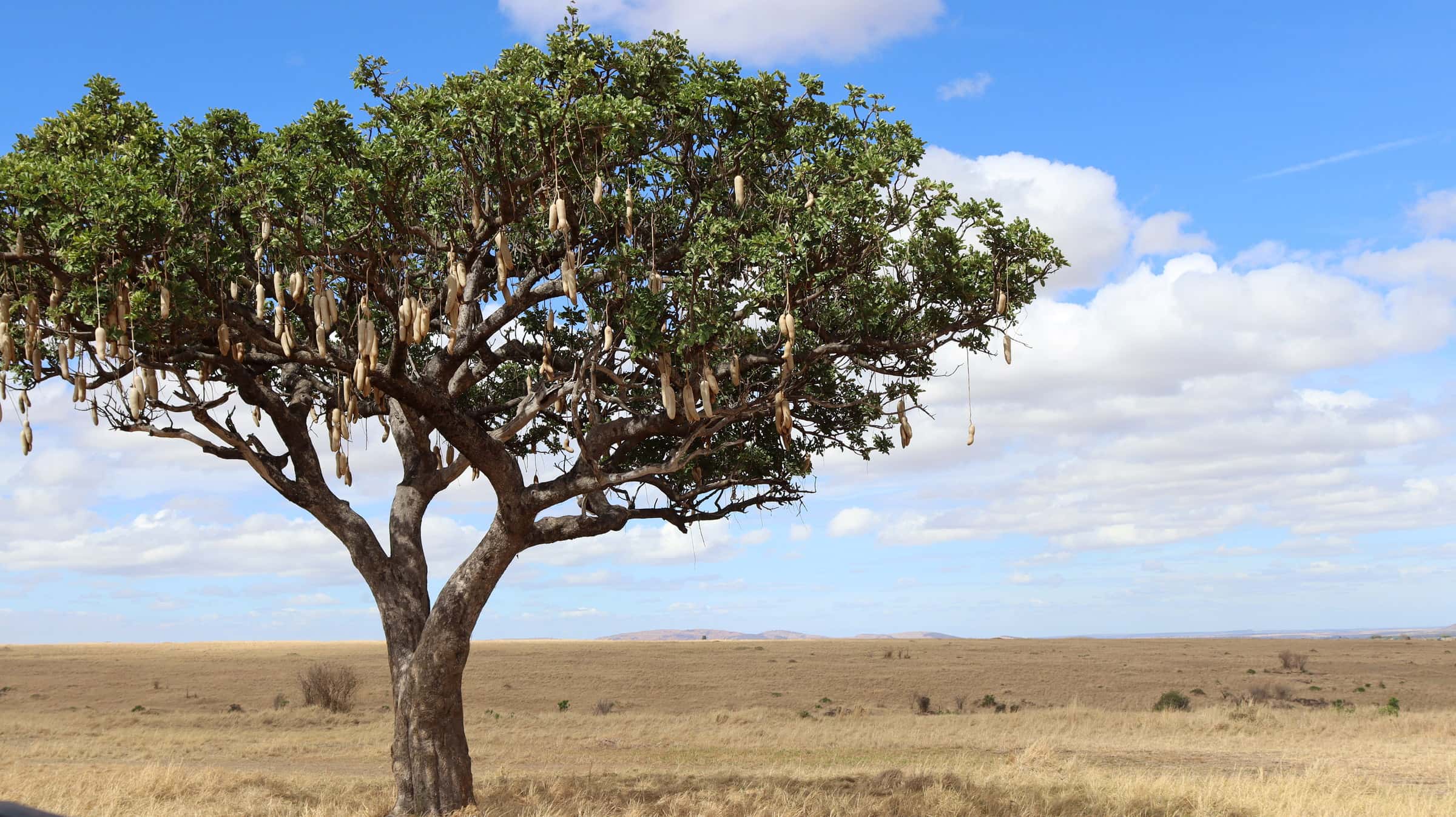
Sunlit East African savannah under a broad sky

Source-backed travel guide

Best Time for an East Africa Safari

There is no single best month for all East Africa. Drier periods can concentrate some wildlife and improve road conditions; greener periods can bring birding, dramatic landscapes and lower demand. Migration, rain and gorilla trekking require destination-specific planning, not a fixed continent-wide calendar.

Direct answer

There is no single best month for all East Africa. Drier periods can concentrate some wildlife and improve road conditions; greener periods can bring birding, dramatic landscapes and lower demand. Migration, rain and gorilla trekking require destination-specific planning, not a fixed continent-wide calendar.

Published 2026-11-05 · Reviewed 2026-11-05

Dry-season strengths and limits

As surface water reduces, some animals concentrate near remaining sources and grass can be shorter. Roads may be easier, but dust, cooler mornings and higher visitor demand are common trade-offs.

Dry does not mean no rain, and climate patterns differ between the coast, highlands, northern Tanzania, western Uganda and Rwanda.

Green-season value

Rain can transform colour, support migrant birds and reduce dust. Short showers do not automatically ruin a safari, yet sustained rain can slow unpaved roads and alter activity plans.

Lower demand can improve value in some places, while properties or roads may close elsewhere. The exact destination and current forecast matter.

Migration and calving

The Mara-Serengeti migration is a continuous ecosystem-scale movement driven by rain and grazing. Broad seasonal patterns help choose a region, but no operator controls herd timing or river crossings.

A quality migration plan includes enough time, a region appropriate to the likely season and an honest alternative wildlife experience if herds move differently.

Gorillas, chimpanzees and mountains

Forest tracking operates across seasons, with mud and rain possible at any time. Permit availability, fitness, health rules and route access can matter more than a simple dry-month label.

Highland weather changes quickly. Use current authority and meteorological information near departure and pack for rain regardless of the chosen month.

Month-by-month planning themes, not guarantees

PeriodPossible strengthsTrade-offs to discuss
January-FebruarySome drier circuits; southern ecosystem calving contextHeat, regional variation, demand
March-MayGreen landscapes, birding, quieter periodsHeavier rain in some regions, road changes
June-OctoberMany drier circuits and broad migration interestPeak demand, dust, variable crossings
November-DecemberShort-rain colour and birdingUncertain rain timing, local road conditions

Related destinations

kenya

Masai Mara National Reserve

The Masai Mara is a savannah reserve in south-west Kenya, connected ecologically to Tanzania's Serengeti. Travellers choose it for year-round game viewing, big-cat habitat and seasonal movement of wildebeest and zebra, but no particular sighting or river crossing can be guaranteed.

Read Masai Mara National Reserve

kenya

Amboseli National Park

Amboseli is a southern Kenya national park known for elephants, wetlands fed by underground water and views toward Mount Kilimanjaro across the border in Tanzania. Clear mountain views depend on cloud and weather, so they should be treated as an opportunity rather than a promise.

Read Amboseli National Park

tanzania

Serengeti National Park

The Serengeti is a vast northern Tanzania national park within the wider Mara-Serengeti ecosystem. Wildlife viewing is possible year-round, while the location and pace of migratory herds change with rain, grazing and calving cycles.

Read Serengeti National Park

tanzania

Tarangire National Park

Tarangire is a northern Tanzania national park shaped by the Tarangire River, seasonal wetlands, woodland and baobabs. It is especially valued for elephant habitat and a landscape that contrasts with the Serengeti plains.

Read Tarangire National Park

rwanda

Volcanoes National Park

Volcanoes National Park protects montane habitat in north-west Rwanda and offers regulated mountain-gorilla tracking. Visits require an official permit, a briefing and ranger-led trek; a traveller must meet current age and health rules.

Read Volcanoes National Park

Related wildlife

Least Concern in the current global assessment

Common wildebeest

The common or blue wildebeest is a herd-forming grazer. In the Mara-Serengeti ecosystem, very large herds move seasonally in response to rain, grazing and water; the movement is continuous and variable rather than a single event on fixed dates.

Read Common wildebeest

Endangered

Mountain gorilla

The mountain gorilla is an Endangered great ape restricted to Bwindi and the Virunga massif. Regulated tracking can support conservation and local economies, but strict health, distance, time and group-size rules protect a small, disease-sensitive population.

Read Mountain gorilla

Approved package facts are preserved; wildlife remains an opportunity, never a guarantee.

Compare more routes

Common traveller questions

What is the best month for safari?

It depends on the exact parks, wildlife priorities, budget and tolerance for rain or crowds. Use this guide to define trade-offs, then check a current forecast.

Are river crossings predictable?

No. Seasonal patterns guide region choice, but rain, grazing and herd decisions make any crossing unpredictable.

Is rainy season a bad time?

Not automatically. It can mean green scenery, birds and fewer visitors, balanced against slower roads and weather-dependent activities.

Sources and fact checking

Facts checked: 2026-11-05

Official and conservation sources support the factual claims below. Time-sensitive fees, rules and conditions must be rechecked before travel.

  1. Climate Services and Seasonal Forecasts — Kenya Meteorological Department. Supports: climate-planning method, need to check current seasonal forecasts.
  2. Serengeti National Park — Tanzania National Parks. Supports: park status, habitats, wildlife, migration variability.
  3. Climate and Weather Services — Tanzania Meteorological Authority. Supports: weather uncertainty, current forecast source, seasonal-planning context.
  4. Gorilla Tracking — Uganda Wildlife Authority. Supports: gorilla tracking, permit-led access, visitor experience.
  5. Come Visit the Gorillas — Visit Rwanda / Rwanda Development Board. Supports: gorilla tracking rules, minimum age, health, distance, no flash.

See our editorial standards and corrections policy.