
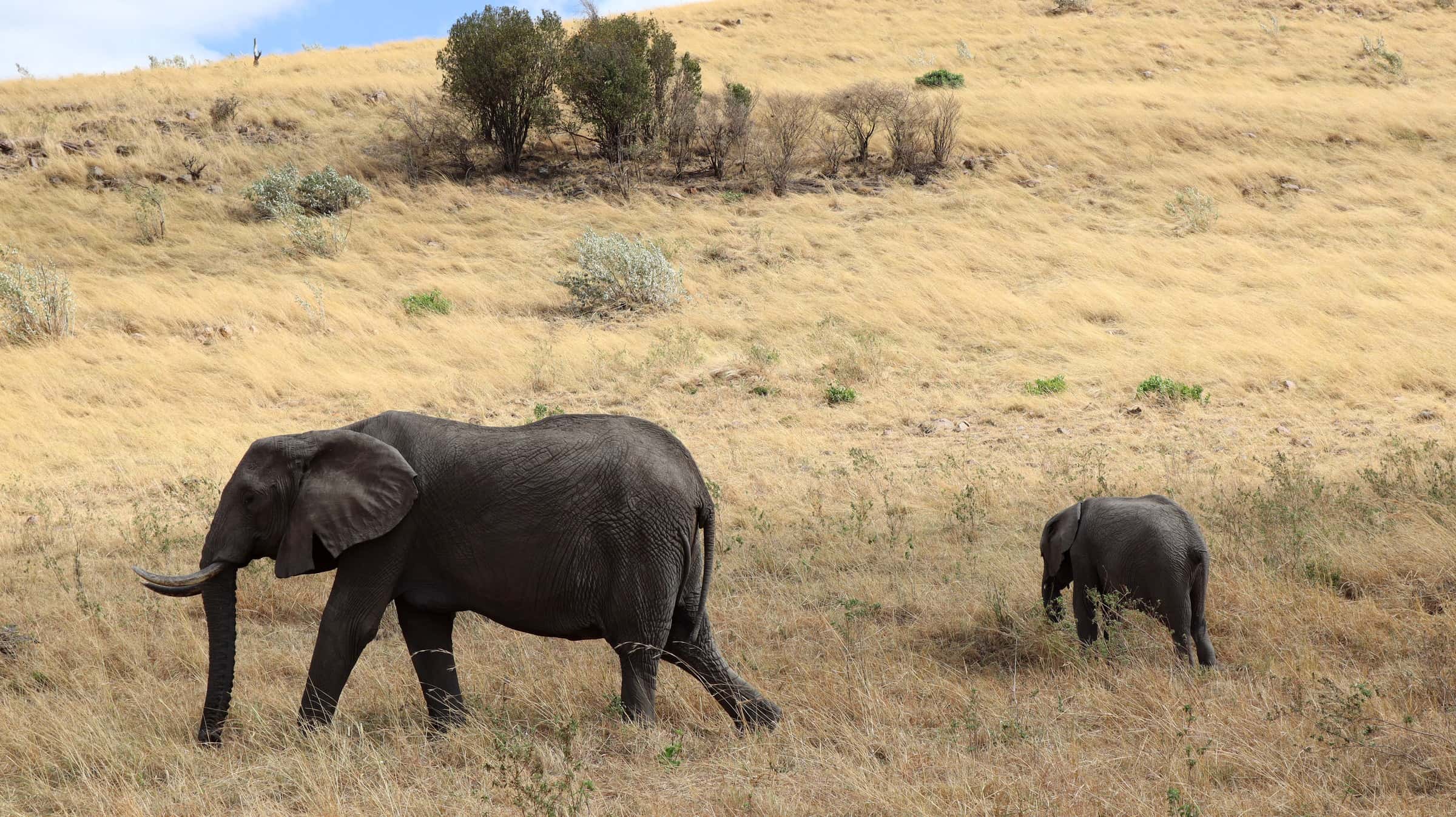
Elephants in open East African habitat

Tanzania destination guide

Tarangire National Park

Tarangire is a northern Tanzania national park shaped by the Tarangire River, seasonal wetlands, woodland and baobabs. It is especially valued for elephant habitat and a landscape that contrasts with the Serengeti plains.

At a glance

Country
Tanzania
Landscape
River valley, baobab woodland, grassland and seasonal swamp
Known for
Elephants and dry-season wildlife concentration
Route fit
Arusha, Lake Manyara, Ngorongoro and Serengeti

Why it matters

  • Elephant family groups
  • Baobab-dotted scenery
  • Birding across varied habitats
  • A distinct first or final northern-circuit park

Seasonal character

Water availability influences animal distribution. Drier periods can concentrate wildlife around the river and remaining water, while wetter months spread animals across a greener, broader landscape.

That does not make one season universally better. Green conditions can support birding, dramatic skies and fewer vehicles, while some roads may be slower after rain.

How Tarangire fits a safari

The park can work as a day visit from the Arusha side or, with more time, an overnight that lets travellers experience cooler morning and evening hours.

It pairs naturally with Ngorongoro and the Serengeti, yet adding it to a very short itinerary can create hurried driving. Route quality matters more than the number of park names.

Viewing elephants responsibly

Elephant family groups need room to cross roads and communicate. Engines, vehicle position and sudden movement can affect their behaviour, so follow the guide's instructions and never ask for a closer approach.

A longer lens and patience are better than surrounding an animal. TANAPA rules govern routes, stopping and any special photography or filming permissions.

Wildlife you may encounter

Endangered

African savanna elephant

The African savanna elephant is a wide-ranging, highly social herbivore of open and wooded habitats. Family groups and bulls move across park boundaries and wildlife corridors, so their space and right of way are central to responsible viewing.

Read African savanna elephant

Vulnerable

African lion

The African lion is a social large cat of savannah, shrubland and woodland. East African parks can offer opportunities to observe prides or solitary animals, but activity, cover and territory make every sighting uncertain.

Read African lion

Vulnerable

African leopard

The African leopard is a solitary, adaptable spotted cat that uses savannah, woodland, rocky country and forest. It can live near busy safari routes yet remain difficult to find because camouflage and cover are central to its behaviour.

Read African leopard

Vulnerable

Cheetah

The cheetah is a slender, speed-adapted cat associated with open grassland, savannah and shrubland. It is often active by day, but a safari cannot promise a chase or even a sighting.

Read Cheetah

Near Threatened

African buffalo

The African buffalo is a water-dependent, herd-forming bovid found in grassland, woodland and some forest systems. It is powerful and unpredictable at close range, so visitors should remain in authorized vehicles or guided areas.

Read African buffalo

Legacy subspecies assessment: Endangered

Masai giraffe

The Masai giraffe is an East African giraffe lineage now recognized as Giraffa tippelskirchi under the 2025 IUCN SSC taxonomy update. Its irregular, vine-like patches help distinguish it, but generic giraffe records should not be assigned to this species without evidence.

Read Masai giraffe

Least Concern in the current global assessment

Common wildebeest

The common or blue wildebeest is a herd-forming grazer. In the Mara-Serengeti ecosystem, very large herds move seasonally in response to rain, grazing and water; the movement is continuous and variable rather than a single event on fixed dates.

Read Common wildebeest

Approved package facts are preserved; wildlife remains an opportunity, never a guarantee.

Compare more routes

Planning guides

Travel guide

Best Time for an East Africa Safari

There is no single best month for all East Africa. Drier periods can concentrate some wildlife and improve road conditions; greener periods can bring birding, dramatic landscapes and lower demand. Migration, rain and gorilla trekking require destination-specific planning, not a fixed continent-wide calendar.

Read Best Time for an East Africa Safari

Travel guide

Family Safari in East Africa

A good family safari uses fewer bases, a realistic number of game-drive hours and accommodation whose room layout and child policies are confirmed. A private vehicle can add flexibility, while primate permits and individual camps may impose minimum ages.

Read Family Safari in East Africa

Travel guide

East Africa Safari Costs Explained

A safari price combines vehicle and guide time, park or permit fees, named accommodation, meals, route distance, season, party size and any flights or special activities. Compare the approved starting price on a tour page with a dated itemized quote; generic country averages cannot price your exact trip.

Read East Africa Safari Costs Explained

More Tanzania destinations

Serengeti National Park

The Serengeti is a vast northern Tanzania national park within the wider Mara-Serengeti ecosystem. Wildlife viewing is possible year-round, while the location and pace of migratory herds change with rain, grazing and calving cycles.

Read Serengeti National Park

Ngorongoro Conservation Area

The Ngorongoro Conservation Area is a multi-use protected landscape in northern Tanzania, best known to visitors for the Ngorongoro Crater. A crater game drive can offer concentrated wildlife viewing, while access, descent timing and current authority rules shape the day.

Read Ngorongoro Conservation Area

Common traveller questions

Is Tarangire worth adding to the Serengeti?

It can add a contrasting river-and-woodland landscape, especially when the itinerary has enough time to avoid a rushed circuit.

Is Tarangire good only in the dry season?

No. Wildlife distribution changes seasonally, while wetter months can offer green scenery and birding. The trade-off depends on your priorities.

Can Tarangire be a day trip?

It can, depending on the starting point. An overnight usually gives more flexibility around early and late viewing hours.

Sources and fact checking

Facts checked: 2026-11-05

Official and conservation sources support the factual claims below. Time-sensitive fees, rules and conditions must be rechecked before travel.

  1. Tarangire National Park — Tanzania National Parks. Supports: park status, Tarangire River, habitats, seasonal wildlife concentration.
  2. Plan a Trip — Tanzania National Parks. Supports: visitor planning, park-rule context, official current information.
  3. Climate and Weather Services — Tanzania Meteorological Authority. Supports: weather uncertainty, current forecast source, seasonal-planning context.

See our editorial standards and corrections policy.

Prepared by the Safaris Adventure Bookers travel editorial team. No wildlife sighting is guaranteed.