
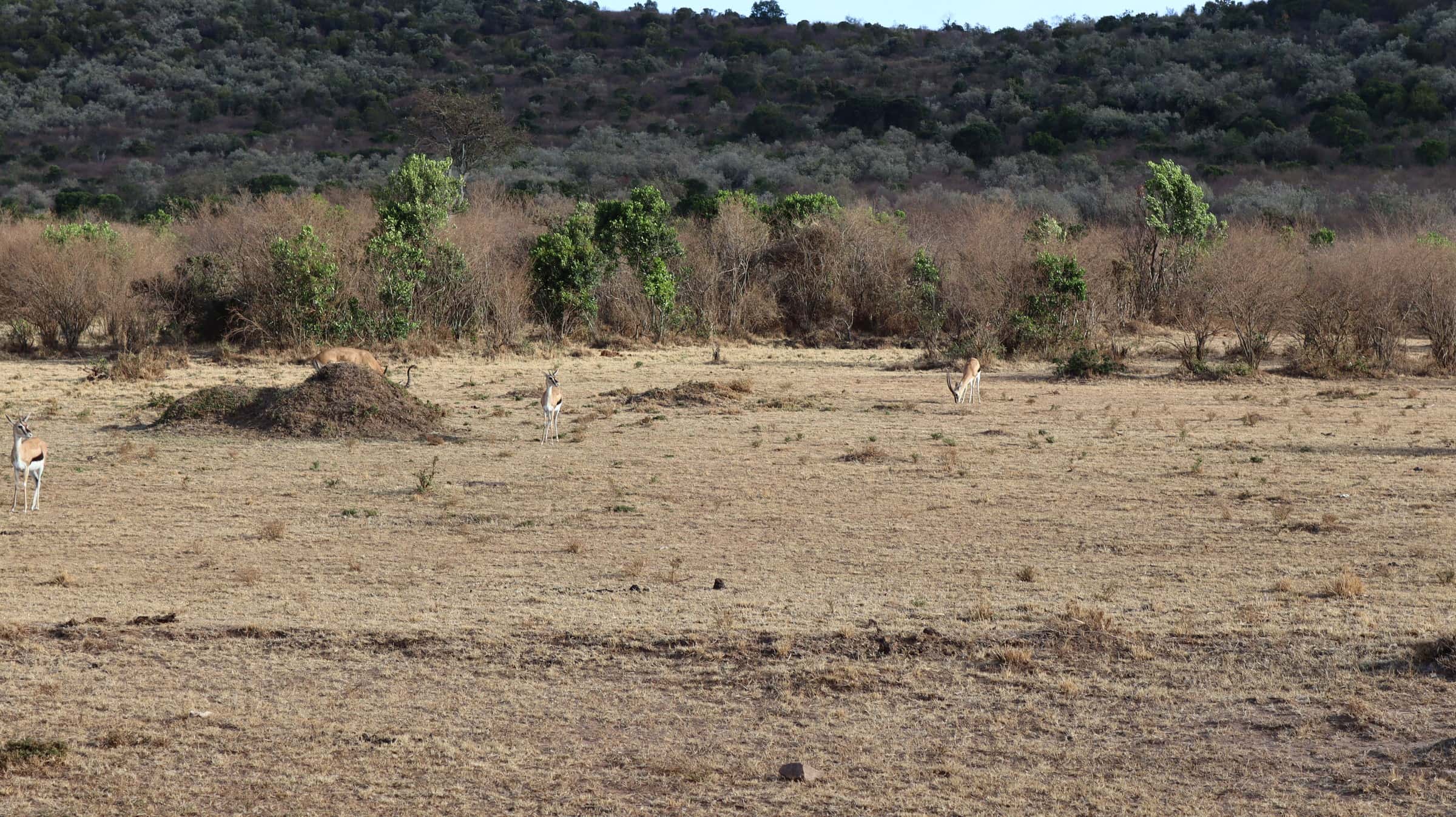
Open East African highland-savannah habitat

Tanzania destination guide

Ngorongoro Conservation Area

The Ngorongoro Conservation Area is a multi-use protected landscape in northern Tanzania, best known to visitors for the Ngorongoro Crater. A crater game drive can offer concentrated wildlife viewing, while access, descent timing and current authority rules shape the day.

At a glance

Country
Tanzania
Landscape
Volcanic highlands, crater floor, forest and grassland
Known for
Ngorongoro Crater and a multi-use conservation landscape
Route fit
Serengeti, Tarangire and Arusha circuits

Why it matters

  • Crater-floor game drives
  • Dramatic highland viewpoints
  • Connection between Serengeti and Arusha
  • Distinct conservation and cultural context

More than a crater

The conservation area includes highlands and plains as well as the caldera. It is not managed in the same way as a national park, and resident pastoral communities are part of the wider landscape.

The crater floor can support diverse wildlife in a compact area, but a visit still involves natural uncertainty. Black rhinos may be distant or obscured, and no Big Five checklist is guaranteed.

Planning the day

Highland weather can be cool, wet or misty even when lower areas are warm. Layers and rain protection are useful, and viewpoint visibility can change quickly.

Crater access is regulated. The operator should confirm descent arrangements, fees and timing in the current quotation rather than presenting old details as permanent.

Combining Ngorongoro

The area sits naturally between the Serengeti and the Arusha side of the northern circuit. A night on the rim or in nearby highlands changes cost and driving patterns, so compare exact locations.

Cultural encounters need clear consent, respectful photography and transparent inclusion. A community visit should not be treated as a decorative stop or implied simply because the route crosses a lived-in landscape.

Wildlife you may encounter

Critically Endangered (IUCN assessment)

Black rhinoceros

The black rhinoceros is a Critically Endangered browsing rhino with a hooked upper lip. East African populations are closely protected; exact locations should not be exposed and a safari should never promise a sighting.

Read Black rhinoceros

Vulnerable

African lion

The African lion is a social large cat of savannah, shrubland and woodland. East African parks can offer opportunities to observe prides or solitary animals, but activity, cover and territory make every sighting uncertain.

Read African lion

Vulnerable

Cheetah

The cheetah is a slender, speed-adapted cat associated with open grassland, savannah and shrubland. It is often active by day, but a safari cannot promise a chase or even a sighting.

Read Cheetah

Near Threatened

African buffalo

The African buffalo is a water-dependent, herd-forming bovid found in grassland, woodland and some forest systems. It is powerful and unpredictable at close range, so visitors should remain in authorized vehicles or guided areas.

Read African buffalo

Endangered

African savanna elephant

The African savanna elephant is a wide-ranging, highly social herbivore of open and wooded habitats. Family groups and bulls move across park boundaries and wildlife corridors, so their space and right of way are central to responsible viewing.

Read African savanna elephant

Least Concern in the current global assessment

Common wildebeest

The common or blue wildebeest is a herd-forming grazer. In the Mara-Serengeti ecosystem, very large herds move seasonally in response to rain, grazing and water; the movement is continuous and variable rather than a single event on fixed dates.

Read Common wildebeest

Vulnerable (IUCN assessment)

Hippopotamus

The hippopotamus is a large semi-aquatic mammal that rests in water or mud by day and usually grazes on land after dark. Its apparent stillness should never be mistaken for safety; hippos require substantial distance on shore and water.

Read Hippopotamus

Approved package facts are preserved; wildlife remains an opportunity, never a guarantee.

Compare more routes

Planning guides

Travel guide

Kenya vs Tanzania Safari

Choose Kenya when you value a compact range of routes, Nairobi access and combinations such as the Masai Mara with Rift Valley or coast. Choose northern Tanzania when you want a broad Serengeti-Ngorongoro-Tarangire circuit. Choose both only when you have enough nights for border or flight logistics; neither country is a universal winner.

Read Kenya vs Tanzania Safari

Travel guide

East Africa Safari Costs Explained

A safari price combines vehicle and guide time, park or permit fees, named accommodation, meals, route distance, season, party size and any flights or special activities. Compare the approved starting price on a tour page with a dated itemized quote; generic country averages cannot price your exact trip.

Read East Africa Safari Costs Explained

Travel guide

Safari Accommodation Explained

Choose safari accommodation by exact property, location, room and operating details, not by the word lodge, camp or luxury alone. A permanent tented camp can have full en-suite rooms, while a lodge can be simple; category labels are not universal ratings.

Read Safari Accommodation Explained

More Tanzania destinations

Serengeti National Park

The Serengeti is a vast northern Tanzania national park within the wider Mara-Serengeti ecosystem. Wildlife viewing is possible year-round, while the location and pace of migratory herds change with rain, grazing and calving cycles.

Read Serengeti National Park

Tarangire National Park

Tarangire is a northern Tanzania national park shaped by the Tarangire River, seasonal wetlands, woodland and baobabs. It is especially valued for elephant habitat and a landscape that contrasts with the Serengeti plains.

Read Tarangire National Park

Common traveller questions

Is Ngorongoro a national park?

No. It is a conservation area with a different legal and land-use context from Tanzania's national parks.

Is it cold at the crater rim?

It can be cool, windy or misty, especially early and late. Pack layers even when the plains are warm.

Will a crater drive show the Big Five?

It may offer opportunities to see several iconic species, but wildlife is free-ranging and no complete checklist can be guaranteed.

Sources and fact checking

Facts checked: 2026-11-05

Official and conservation sources support the factual claims below. Time-sensitive fees, rules and conditions must be rechecked before travel.

  1. Ngorongoro Conservation Area Authority — Ngorongoro Conservation Area Authority. Supports: conservation-area status, landscape scope, authority context.
  2. Tourism Activities — Ngorongoro Conservation Area Authority. Supports: visitor activities, regulated access, responsible conduct.
  3. Climate and Weather Services — Tanzania Meteorological Authority. Supports: weather uncertainty, current forecast source, seasonal-planning context.

See our editorial standards and corrections policy.

Prepared by the Safaris Adventure Bookers travel editorial team. No wildlife sighting is guaranteed.