
The decision in practical terms
Both countries protect outstanding savannah ecosystems. The useful differences are route shape, available nights, entry and exit airports, transfer tolerance, desired landscapes and accommodation budget.
Kenya can combine Nairobi, Amboseli, Rift Valley lakes and the Mara. Northern Tanzania commonly links Arusha, Tarangire, Ngorongoro and different Serengeti regions. A rushed combined trip can be less satisfying than one well-paced country.
Masai Mara or Serengeti
The Masai Mara is smaller and often easier to integrate into a Kenya road circuit. The Serengeti is much larger, making regional and seasonal planning important.
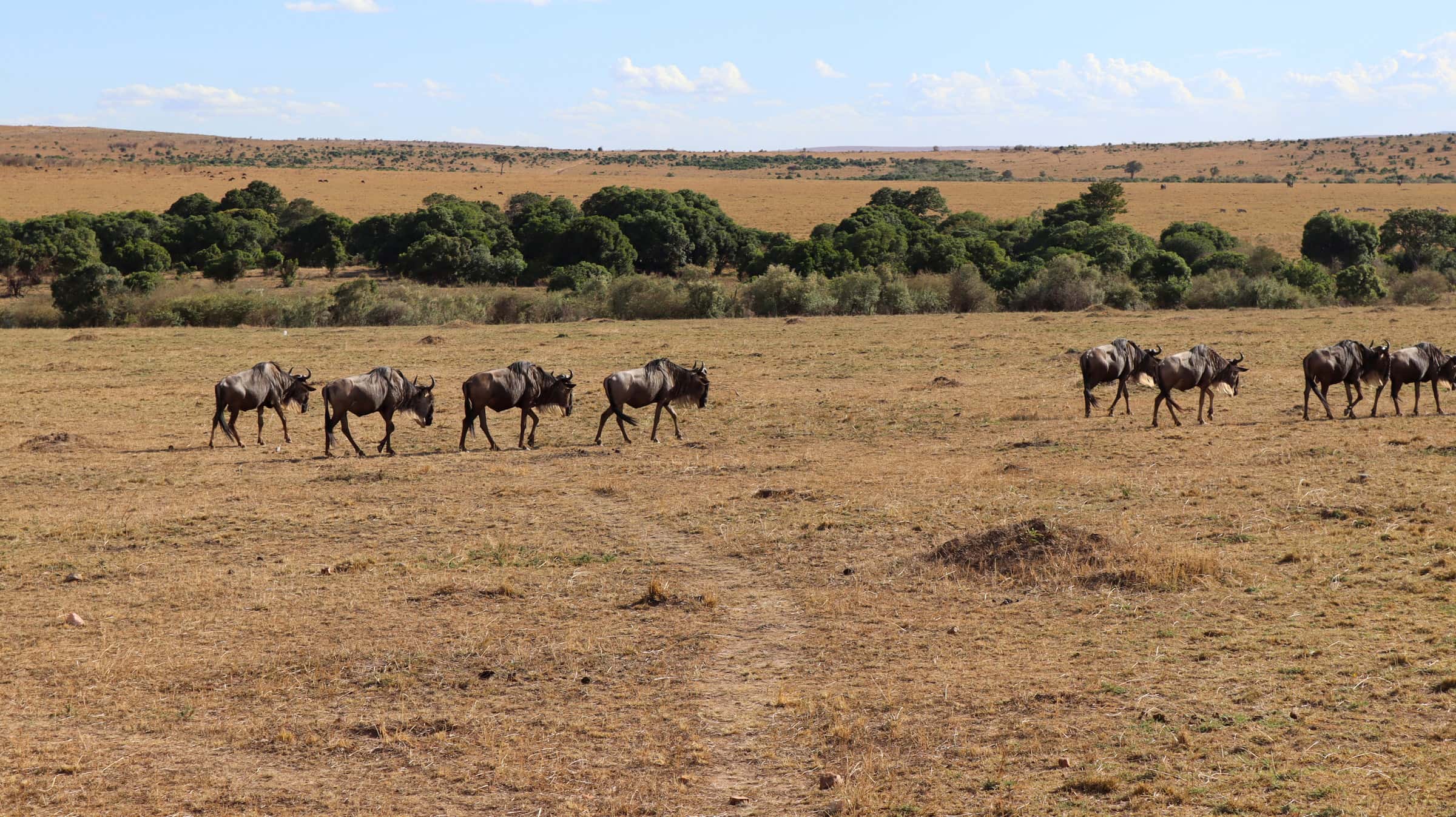
Both belong to the wider migration ecosystem. Herd position and crossings respond to rainfall and grazing; choosing a country does not buy a guaranteed crossing.
Cost, crowding and accommodation
Cost is driven by season, party size, park fees, vehicle privacy, route distance and the named stay. A blanket claim that one country is always cheaper is not reliable.
Busy sightings can occur in both countries. Conservancy or remote-camp choices can change the experience, but also change rules, inclusions and cost. Compare actual properties rather than national stereotypes.
Choose both when the route earns it
A combined route can be excellent when the border day, vehicle handoff and arrival/departure airports reduce backtracking. Ask whether the same vehicle crosses, whether luggage is moved, and which country's guide operates each segment.
The East African Tourist Visa does not include Tanzania. Each country's current immigration requirements must be checked separately.