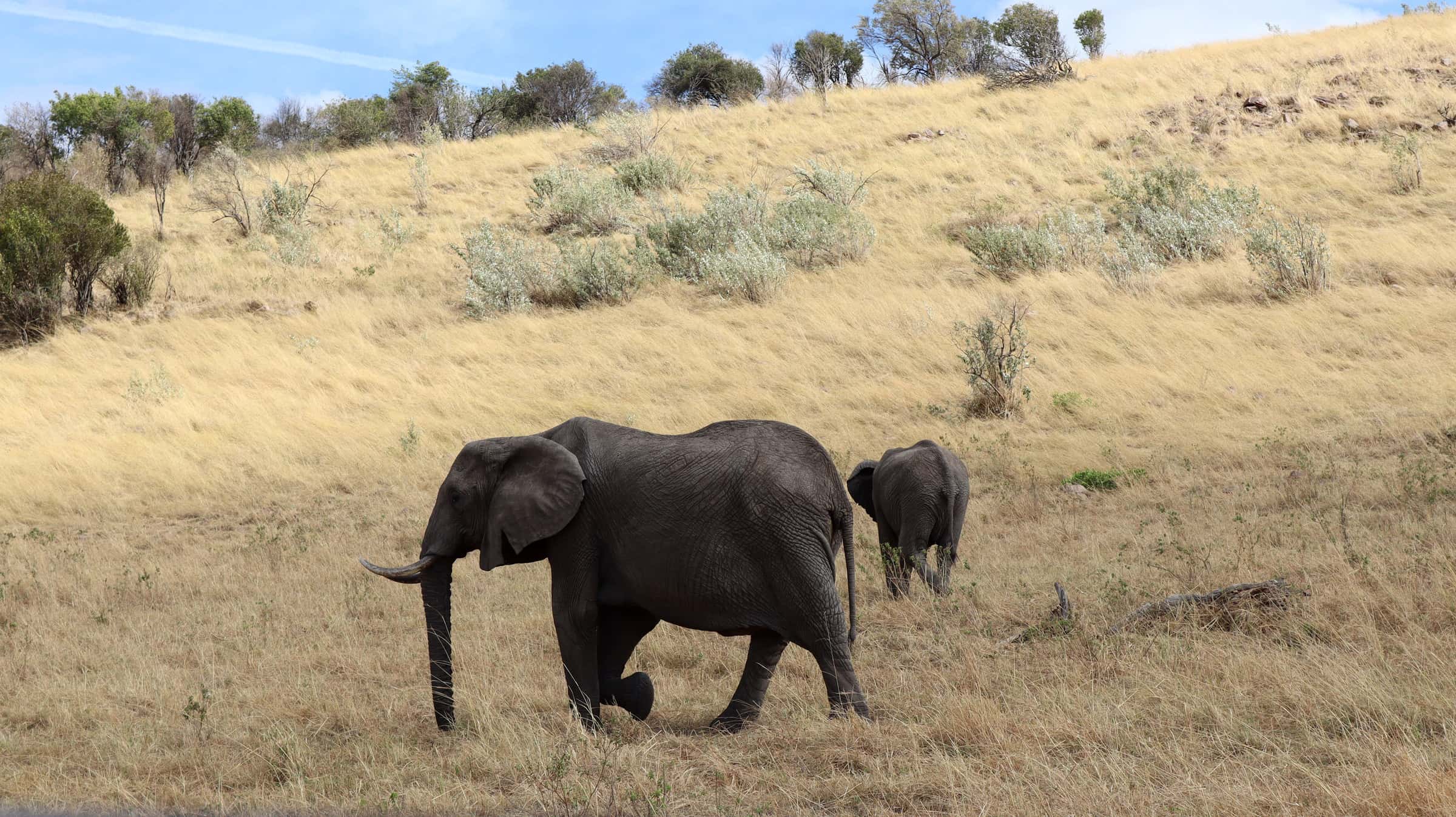
Elephant in open East African habitat

Kenya destination guide

Amboseli National Park

Amboseli is a southern Kenya national park known for elephants, wetlands fed by underground water and views toward Mount Kilimanjaro across the border in Tanzania. Clear mountain views depend on cloud and weather, so they should be treated as an opportunity rather than a promise.

At a glance

Country
Kenya
Landscape
Plains, seasonal lake bed, woodland and wetlands
Known for
Elephants and possible Kilimanjaro views
Route fit
Southern Kenya or Kenya-Tanzania combinations

Why it matters

  • Elephant viewing across open landscapes
  • Wetland birdlife
  • Observation Hill panoramas
  • Natural connection toward Namanga and northern Tanzania

Landscape and wildlife

Amboseli combines dry-looking plains with permanent and seasonal water sources. This contrast concentrates wildlife in some areas and supports elephants, buffalo, hippos, plains game and many birds.

Kilimanjaro is outside Kenya, despite dominating many classic views. Morning can offer clearer visibility, but local weather changes quickly and no itinerary should sell a guaranteed mountain photograph.

When and how to visit

Dry periods can make animals easier to find around water, while wetter periods bring greener scenery, birding interest and potentially muddier tracks. Current forecasts are more useful than treating historical month labels as promises.

Amboseli works as a focused short safari from Nairobi or as part of a longer southern circuit. Cross-border routes need realistic transfer time and separate entry planning for Kenya and Tanzania.

What to confirm

Ask where the accommodation sits relative to the park gate, how many game drives are included, whether the vehicle is private or shared and how the route handles arrival or border days.

Follow Kenya Wildlife Service rules: give animals space, avoid feeding or noise and stay on authorized routes. Dust protection for cameras is useful in dry conditions.

Wildlife you may encounter

Endangered

African savanna elephant

The African savanna elephant is a wide-ranging, highly social herbivore of open and wooded habitats. Family groups and bulls move across park boundaries and wildlife corridors, so their space and right of way are central to responsible viewing.

Read African savanna elephant

Vulnerable

African lion

The African lion is a social large cat of savannah, shrubland and woodland. East African parks can offer opportunities to observe prides or solitary animals, but activity, cover and territory make every sighting uncertain.

Read African lion

Vulnerable

Cheetah

The cheetah is a slender, speed-adapted cat associated with open grassland, savannah and shrubland. It is often active by day, but a safari cannot promise a chase or even a sighting.

Read Cheetah

Near Threatened

African buffalo

The African buffalo is a water-dependent, herd-forming bovid found in grassland, woodland and some forest systems. It is powerful and unpredictable at close range, so visitors should remain in authorized vehicles or guided areas.

Read African buffalo

Legacy subspecies assessment: Endangered

Masai giraffe

The Masai giraffe is an East African giraffe lineage now recognized as Giraffa tippelskirchi under the 2025 IUCN SSC taxonomy update. Its irregular, vine-like patches help distinguish it, but generic giraffe records should not be assigned to this species without evidence.

Read Masai giraffe

Least Concern in the current global assessment

Common wildebeest

The common or blue wildebeest is a herd-forming grazer. In the Mara-Serengeti ecosystem, very large herds move seasonally in response to rain, grazing and water; the movement is continuous and variable rather than a single event on fixed dates.

Read Common wildebeest

Vulnerable (IUCN assessment)

Hippopotamus

The hippopotamus is a large semi-aquatic mammal that rests in water or mud by day and usually grazes on land after dark. Its apparent stillness should never be mistaken for safety; hippos require substantial distance on shore and water.

Read Hippopotamus

Approved package facts are preserved; wildlife remains an opportunity, never a guarantee.

Compare more routes

Planning guides

Travel guide

Best Time for an East Africa Safari

There is no single best month for all East Africa. Drier periods can concentrate some wildlife and improve road conditions; greener periods can bring birding, dramatic landscapes and lower demand. Migration, rain and gorilla trekking require destination-specific planning, not a fixed continent-wide calendar.

Read Best Time for an East Africa Safari

Travel guide

Kenya and Tanzania Safari Planning

A Kenya-Tanzania safari works best when the route minimizes backtracking and makes the border or flight day explicit. Confirm whether vehicles and guides change, where luggage is handed over, which entry authorization applies and whether your international flights use Nairobi, Kilimanjaro, Zanzibar or another gateway.

Read Kenya and Tanzania Safari Planning

Travel guide

Family Safari in East Africa

A good family safari uses fewer bases, a realistic number of game-drive hours and accommodation whose room layout and child policies are confirmed. A private vehicle can add flexibility, while primate permits and individual camps may impose minimum ages.

Read Family Safari in East Africa

More Kenya destinations

Masai Mara National Reserve

The Masai Mara is a savannah reserve in south-west Kenya, connected ecologically to Tanzania's Serengeti. Travellers choose it for year-round game viewing, big-cat habitat and seasonal movement of wildebeest and zebra, but no particular sighting or river crossing can be guaranteed.

Read Masai Mara National Reserve

Lake Nakuru National Park

Lake Nakuru National Park protects a Rift Valley lake and surrounding woodland, grassland and rocky escarpment. It is frequently included for rhino conservation and birdlife; flamingo numbers change with lake conditions and should never be promised.

Read Lake Nakuru National Park

Lake Naivasha

Lake Naivasha is a freshwater Rift Valley lake used as a relaxed stop between Nairobi, Lake Nakuru and the Masai Mara. Boat trips, birding and nearby walking or cycling activities are optional and depend on weather, water conditions and the chosen operator.

Read Lake Naivasha

Common traveller questions

Is Kilimanjaro inside Amboseli?

No. Mount Kilimanjaro is in Tanzania; Amboseli offers views across the international border when cloud and light cooperate.

Is Amboseli only about elephants?

Elephants are a major draw, but the park also supports other mammals, wetland species and substantial birdlife.

Can Amboseli combine with Tanzania?

Yes. It can fit a route via the Namanga border, but entry documents, vehicle arrangements and transfer timing must be confirmed for the specific itinerary.

Sources and fact checking

Facts checked: 2026-11-05

Official and conservation sources support the factual claims below. Time-sensitive fees, rules and conditions must be rechecked before travel.

  1. Amboseli National Park — Kenya Wildlife Service. Supports: park status, habitats, wildlife, visitor context.
  2. Kenya Wildlife Service Park Rules — Kenya Wildlife Service. Supports: wildlife right of way, vehicle and visitor conduct, feeding and noise restrictions.Note: Applied to KWS-managed areas only; reserve and private-land rules can differ.
  3. Climate Services and Seasonal Forecasts — Kenya Meteorological Department. Supports: climate-planning method, need to check current seasonal forecasts.

See our editorial standards and corrections policy.

Prepared by the Safaris Adventure Bookers travel editorial team. No wildlife sighting is guaranteed.